
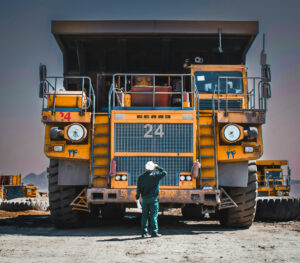
Protecting Hydraulic Equipment From Temperature Extremes
A hydraulic machine can work perfectly one day and behave very differently when the temperature changes. Cold mornings can make a hydraulic system feel sluggish

Coolant Maintenance Tips for Recreational Equipment
Recreational equipment tends to have a different maintenance pattern from equipment that works every day. A boat, RV, ATV, utility vehicle, or other recreational machine

Understanding Coolant Change Intervals for Heavy-Duty Equipment
Engine coolant isn’t usually something operators think about when an engine is running normally. If the temperature gauge looks right and there isn’t an obvious

The Importance of Coolant Quality in Oilfield Equipment
Oilfield equipment doesn’t get many easy operating days. Engines and machines may run for long periods, work under substantial loads, and operate in environments where

Understanding Coolant Change Intervals for Heavy-Duty Equipment
Engine coolant isn’t usually something operators think about when an engine is running normally. If the temperature gauge looks right and there isn’t an obvious
Preparing Generators for Extreme Temperatures With Proper Coolant Protection
A standby generator can sit quietly for weeks or months, then suddenly become one of the most important pieces of equipment on a site. When
How PRO X Coolants Help Simplify Fleet Maintenance
Fleet maintenance rarely becomes difficult because of one major problem. More often, it’s the small inconsistencies that start adding up. One truck gets serviced with

Preventing Scale and Deposits in Cooling Systems
A cooling system can look fine from the outside while problems are gradually developing inside. A radiator may be clean, the coolant level may be

Coolant Considerations for Transportation Fleets
A transportation fleet doesn’t get to choose when its equipment has to work. Trucks leave early, run through traffic, climb grades, haul heavy loads, and