
How PRO X Chemical Solutions Improve Shop Efficiency
A busy repair shop can lose a surprising amount of time on small jobs.
A technician may spend several extra minutes cleaning grease from a component before an inspection. Another technician may need to remove brake dust before installing new parts. Someone else is looking for the right cleaning product while a vehicle is waiting on the lift.
None of these tasks sounds like a major delay on its own. Across a full day of service work, though, they can add up quickly.
Cleaning products are part of that equation. The right chemical solution can make routine service work faster and more consistent, while a poorly suited product can leave behind residue, require extra applications, or create more cleanup work.
That is where a well-organized selection of automotive chemicals becomes useful. PRO X offers chemical solutions designed for different maintenance and service applications, giving shops options for cleaning, brake service, and other routine tasks without treating every job as if it requires the same product.
Cleaning Is Part of the Repair, Not an Extra Step
Technicians don’t clean components simply to make them look better.
A clean surface makes it easier to inspect a part, identify wear, and complete a repair without carrying old grease, oil, or debris into the next stage of the job. In many cases, cleaning is one of the first things a technician needs to do before the actual repair can begin.
That’s particularly true with brake work.
Brake dust and road grime can build up around rotors, calipers, mounting surfaces, and other components. Removing that buildup gives the technician a clearer view of what they’re working with.
The same principle applies across the shop. Clean equipment is easier to inspect, and clean components are easier to handle.
A practical chemical program can help shops:
- Remove grease and oil from service components
- Clean brake components using appropriate products and shop safety procedures
- Prepare surfaces before repairs
- Reduce manual scrubbing
- Keep work areas cleaner
- Make routine inspections easier
Those few minutes saved on preparation can make a difference when a shop is handling a full schedule.
Why Having the Right Automotive Chemicals on Hand Matters
There’s nothing efficient about stopping a repair because the shop doesn’t have the appropriate cleaning product.
In a busy service department, technicians need products that are easy to identify and readily available when a job calls for them. Keeping a small, well-chosen selection of automotive chemicals can make the workflow much smoother.
It also reduces the temptation to use whatever product happens to be closest.
Different cleaning jobs have different requirements. A product that works well for removing general grime may not be the best choice for brake components. Likewise, a heavy-duty shop cleaner may be unnecessary for a small maintenance task.
The goal isn’t to fill every shelf with chemicals.
It’s to have dependable products available for the jobs the shop performs most often.


PRO X Brake Cleaner for Routine Brake Service
Brake work is one area where cleaning can have a direct impact on the technician’s workflow.
Before installing new pads, servicing a rotor, or inspecting a caliper, technicians often need to remove accumulated dust, oil, and other contaminants from the working area. Leaving those contaminants behind can make inspection and reassembly more difficult.
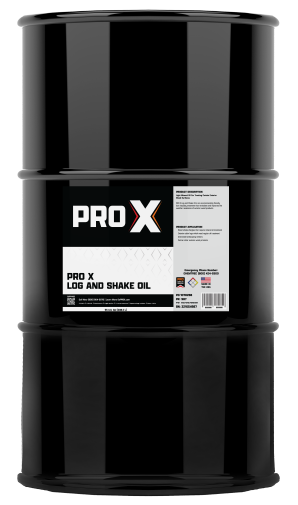
PRO X Premium Brake Cleaner NC is designed for this type of service. As a dedicated brake cleaner, it helps remove common contaminants from brake components while evaporating quickly without leaving unwanted residue.
That makes it useful for everyday jobs such as:
- Brake pad replacement
- Rotor inspection and service
- Cleaning appropriate caliper components during service
- Brake hardware cleaning
- General brake system inspection
A technician doesn’t need an elaborate process. Technicians should follow the product label and Safety Data Sheet (SDS), including applicable instructions for use, ventilation, personal protective equipment, and material compatibility.
Simple products often make the biggest difference when they’re used hundreds of times throughout the year.
Where Industrial Cleaning Fluids Fit Into Shop Operations
Not everything that needs cleaning in a service facility is a brake component.
Tools, equipment, machinery, work surfaces, and heavily soiled parts can all collect grease and grime during normal shop activity. Over time, that buildup makes the workspace harder to maintain and can interfere with routine maintenance.
This is where industrial cleaning fluids can become useful.
A shop handling a mixture of automotive and industrial equipment may need cleaning solutions capable of dealing with heavier contamination than a standard household cleaner. Having appropriate products available means technicians can address dirty components without spending unnecessary time improvising a cleaning method.
For larger facilities, cleaning also becomes part of workplace organization.
Keeping floors, tools, equipment, and service areas reasonably clean makes it easier to find what technicians need and reduces clutter around active workstations.
A clean shop doesn’t guarantee faster repairs, but a disorganized one can certainly slow them down.

Reducing Unnecessary Downtime During Service
Most shop managers know where the major delays occur. The interesting part is how often smaller delays contribute to them.
A technician walks to another part of the shop for a cleaner. A component needs to be wiped down several times because the first product didn’t remove the buildup. A dirty surface has to be cleaned again before a replacement part can be installed.
None of these events is a crisis.
Together, they can turn a straightforward job into a longer one.
Using the appropriate chemical for each application helps reduce that wasted time. When technicians know what product to reach for and where it is stored, cleaning becomes part of the workflow rather than an interruption to it.
For shop managers, that can mean better use of technician time and a more predictable service schedule.
Building a More Organized Chemical Program
Efficiency doesn’t come from buying the largest possible range of products.
In fact, too many products can make a shop less efficient if technicians aren’t sure which one belongs to which application.
A better approach is to organize chemicals around the jobs the shop performs regularly. Products should be clearly labeled, stored in accessible locations, and included in normal inventory checks.
A simple system can include:
- Dedicated storage areas for different chemical categories
- Clear product labeling
- Regular inventory checks
- Basic handling procedures for technicians
- Products assigned to common service applications
- Reordering before frequently used supplies run out
Using a consistent range of PRO X chemicals can also help simplify purchasing and product management across the shop.
When everyone follows the same process, technicians spend less time looking for supplies and more time working on vehicles.

A Cleaner Shop Can Be a More Efficient Shop
Shop efficiency isn’t always about working faster.
Sometimes it’s about removing the little obstacles that slow technicians down. Having the right cleaner nearby, preparing components properly, and keeping work areas organized can make routine service work much easier to manage.
That’s where quality automotive chemicals earn their place in a professional shop.
From brake cleaner used during routine brake service to industrial cleaning fluids used for heavier maintenance tasks, the right products can simplify preparation and cleanup while helping technicians maintain a consistent workflow.
PRO X provides a range of chemical solutions for professional maintenance applications, giving shops practical options for the cleaning jobs they encounter every day.
The result isn’t complicated. Better product organization, appropriate cleaning solutions, and consistent shop practices can save time across hundreds of service jobs. For a busy automotive operation, those small improvements can help reduce unnecessary delays and support a more organized workday.