
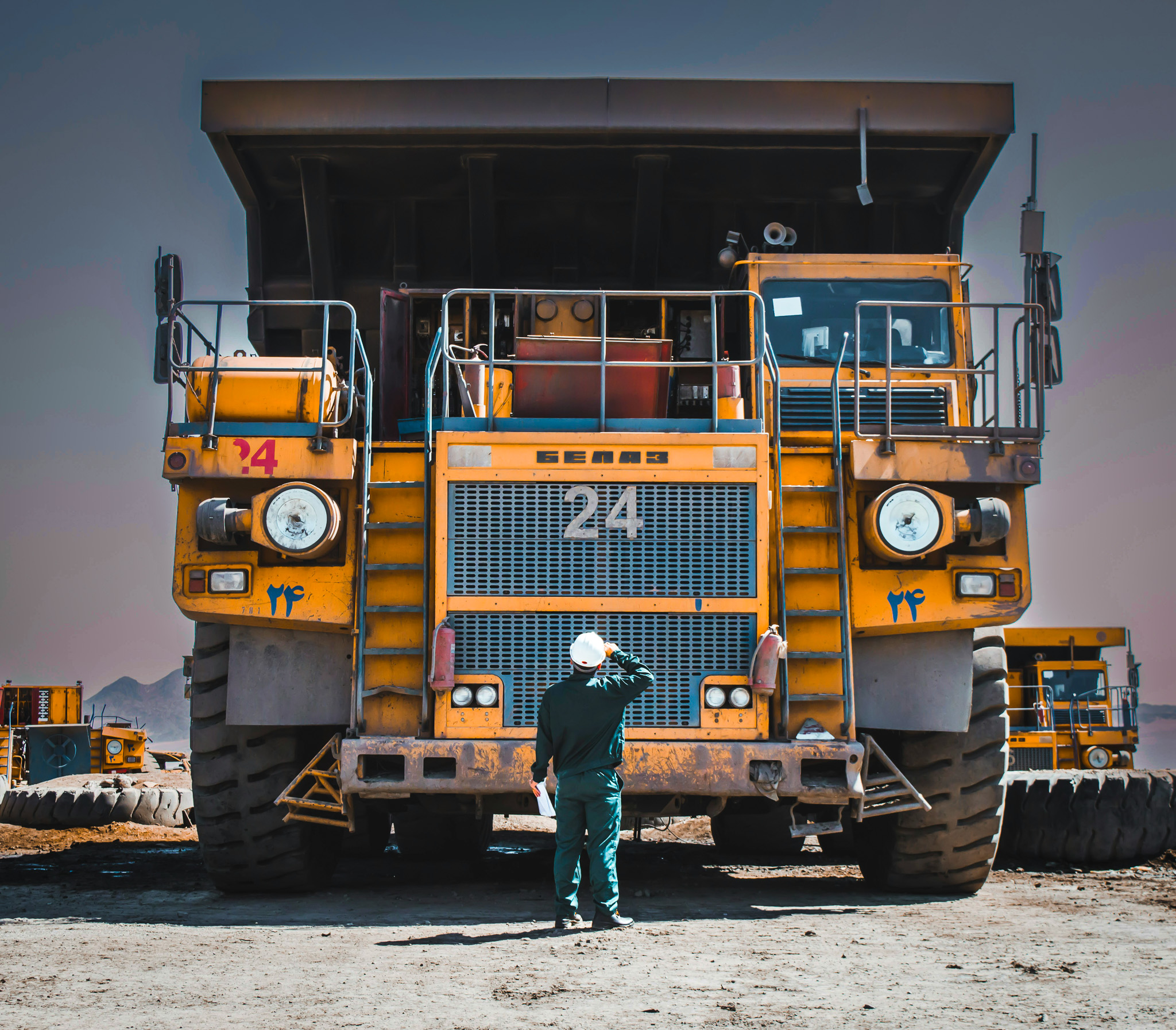
Signs Your Equipment May Need a Coolant Inspection
Equipment doesn’t always make it obvious when something is wrong with the cooling system. An engine may continue running while coolant levels slowly drop, hoses begin to deteriorate, or corrosion starts building inside the system. By the time the temperature gauge climbs or the machine shuts down, a small maintenance issue may have already turned into a much bigger one.
That’s why coolant inspections are worth including in routine service.
Heavy equipment spends long hours working under load, often in dusty outdoor conditions and high temperatures. The cooling system has to keep removing heat throughout that workday. If the coolant is old, contaminated, or simply running low, the engine doesn’t have much room for error.
Regular coolant maintenance gives technicians an opportunity to spot those problems before they interfere with the machine’s work.
Don't Wait for an Overheating Engine
Overheating is probably the most obvious sign of a cooling system problem, but it shouldn’t be the first one you look for.
A temperature warning usually means the system is already struggling to control engine heat. There may have been earlier clues, a gradual coolant loss, a small leak, or a change in coolant appearance, that went unnoticed.
For equipment that runs every day, those smaller signs deserve attention.
A coolant inspection can reveal issues such as:
- Coolant levels that are lower than expected
- Leaks around hoses, connections, or the radiator
- Unusual discoloration in the coolant
- Rust, sediment, or visible deposits
- Damaged or aging hoses
- Repeated increases in engine temperature
None of these signs should automatically be blamed on the coolant itself. A cooling system is made up of several components, and a proper inspection helps determine where the problem is actually coming from.
A Drop in Coolant Level Is Worth Investigating
Coolant doesn’t normally disappear for no reason.
If a technician repeatedly has to add coolant between scheduled services, there may be a leak somewhere in the system. It could be a hose connection, radiator, water pump, reservoir, or another component.
Sometimes the leak is easy to spot. Other times, it may be small enough that coolant escapes only when the engine reaches operating temperature.
This is particularly important with heavy equipment. A machine working several hours a day can lose enough coolant over time to create a serious problem without the operator noticing right away.
Keeping an eye on fluid levels is a simple part of coolant maintenance, but it can provide an early warning that something needs closer attention.


What Changes in Coolant Appearance Can Tell You
Coolant doesn’t have to look brand new forever, but a noticeable change in its appearance shouldn’t be ignored.
Dark, cloudy, rusty, or contaminated-looking coolant may indicate that the cooling system needs inspection. Deposits can also point to corrosion or contamination inside the system.
The coolant reservoir can provide a quick visual check, although technicians should follow proper inspection procedures before opening or servicing a hot cooling system.
It’s also worth remembering that coolant color by itself doesn’t tell you everything about the fluid. Different formulations can have different colors, so technicians shouldn’t decide whether a coolant is suitable simply by matching colors.
The manufacturer’s specification remains the better guide.
Heavy Workloads Put More Pressure on Cooling Systems
A piece of equipment working under a heavy load on a hot day has a very different cooling requirement from the same machine sitting idle in a service yard.
Construction equipment, agricultural machinery, generators, and other industrial equipment can operate for hours under sustained thermal loads. Dust and debris can add another challenge by restricting airflow through the radiator.
That makes cooling system health especially important for equipment that works continuously.
During regular maintenance, technicians should pay attention to:
- Radiator condition and airflow
- Coolant level and appearance
- Hoses and connections
- Signs of leakage
- Engine temperature during operation
- Previous cooling-system repairs
Catching an issue during a scheduled inspection is usually much easier than dealing with an overheated machine in the middle of a job.
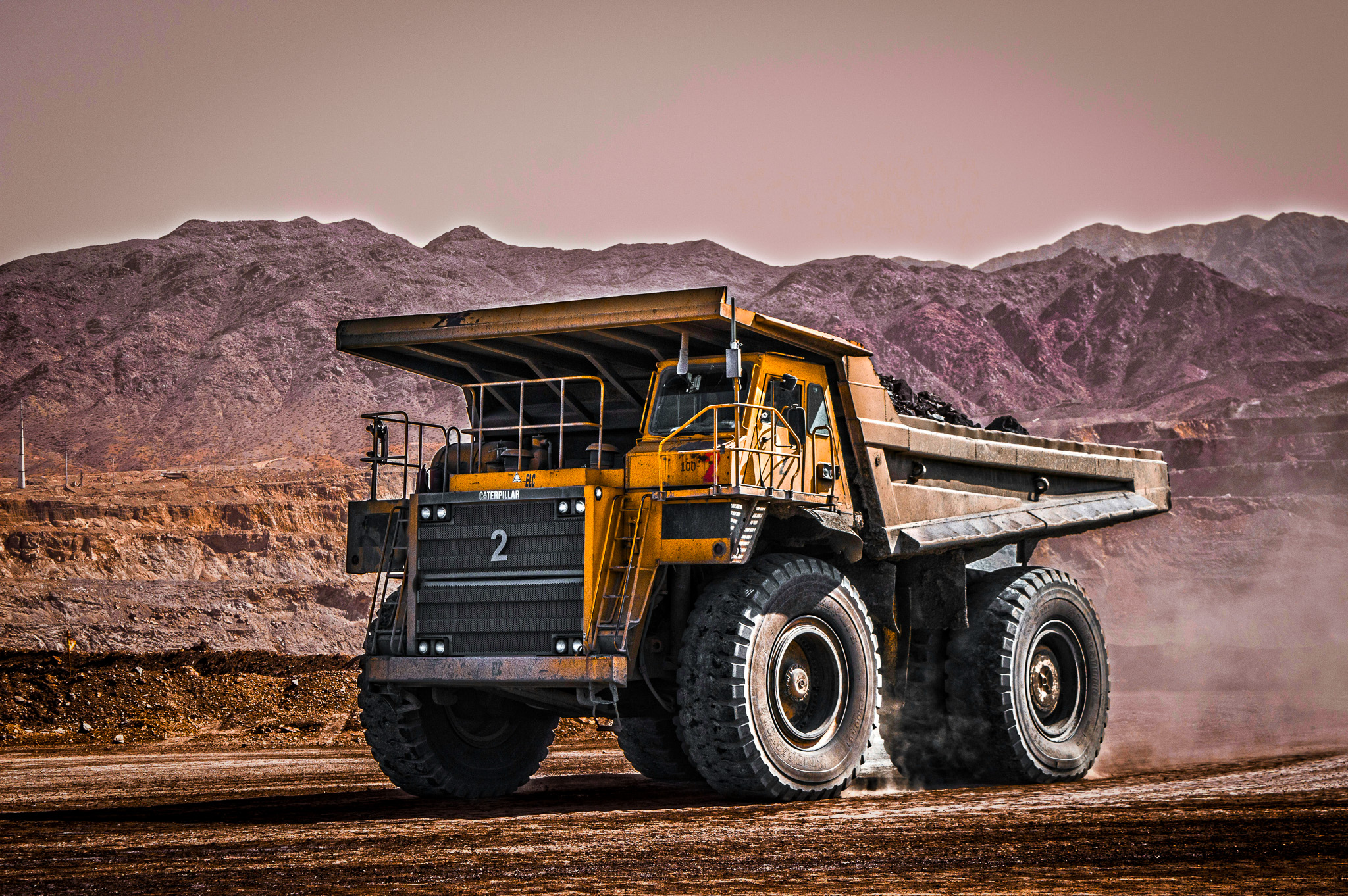
Why Regular Coolant Maintenance Supports Equipment Protection
Coolant has a bigger job than simply keeping the engine from overheating.
The right coolant also helps protect components throughout the cooling system from corrosion and helps maintain the system’s ability to manage heat. As coolant ages or becomes contaminated, its protective properties can decline.
That’s where regular coolant maintenance becomes part of broader equipment protection.
For fleet and equipment managers, keeping track of coolant service can also make maintenance more predictable. Instead of waiting for an overheating incident to force a repair, teams can inspect the system during scheduled service and deal with smaller concerns while the equipment is already in the shop.
It’s a simple approach, but it can save a lot of trouble later.
When a Coolant Inspection Should Move Up the List
Scheduled maintenance is the obvious time to inspect the cooling system, but certain situations deserve attention sooner.
If a machine has recently overheated, developed a coolant leak, or started running hotter than usual, waiting until the next service interval may not be the best option.
The same applies after major cooling-system work. Replacing a radiator, hose, water pump, or other component is a good reason to verify that the entire system is operating correctly afterward.
An inspection is also worth considering when equipment has:
- Been working under unusually heavy loads
- Operated in extreme heat
- Been sitting unused for an extended period
- Shown repeated coolant loss
- Received cooling-system repairs
- Reached its scheduled coolant service interval
The sooner a developing problem is identified, the more options a maintenance team usually has.

Keeping the Cooling System Ready for the Next Shift
A cooling system doesn’t get a day off just because the equipment is working in a different season or on a different job site. It has to manage engine heat every time the machine goes to work.
That makes coolant inspection a small but important part of keeping equipment ready.
Regular cooling-system inspections can uncover leaks, contamination, deteriorated components, and other issues before they contribute to an unexpected shutdown. Combined with proper coolant maintenance, they also support long-term equipment protection and help maintenance teams plan service instead of reacting to failures.
When it’s time to replace or maintain coolant, selecting the right product for the equipment is just as important as the inspection itself. The broader range of PRO X products gives maintenance teams options for different vehicle and equipment applications.
A few minutes spent checking coolant may not seem significant when a machine is running perfectly. But that’s exactly when preventive maintenance is most useful, before a small cooling-system issue has a chance to become a reason for the equipment to stop working.
