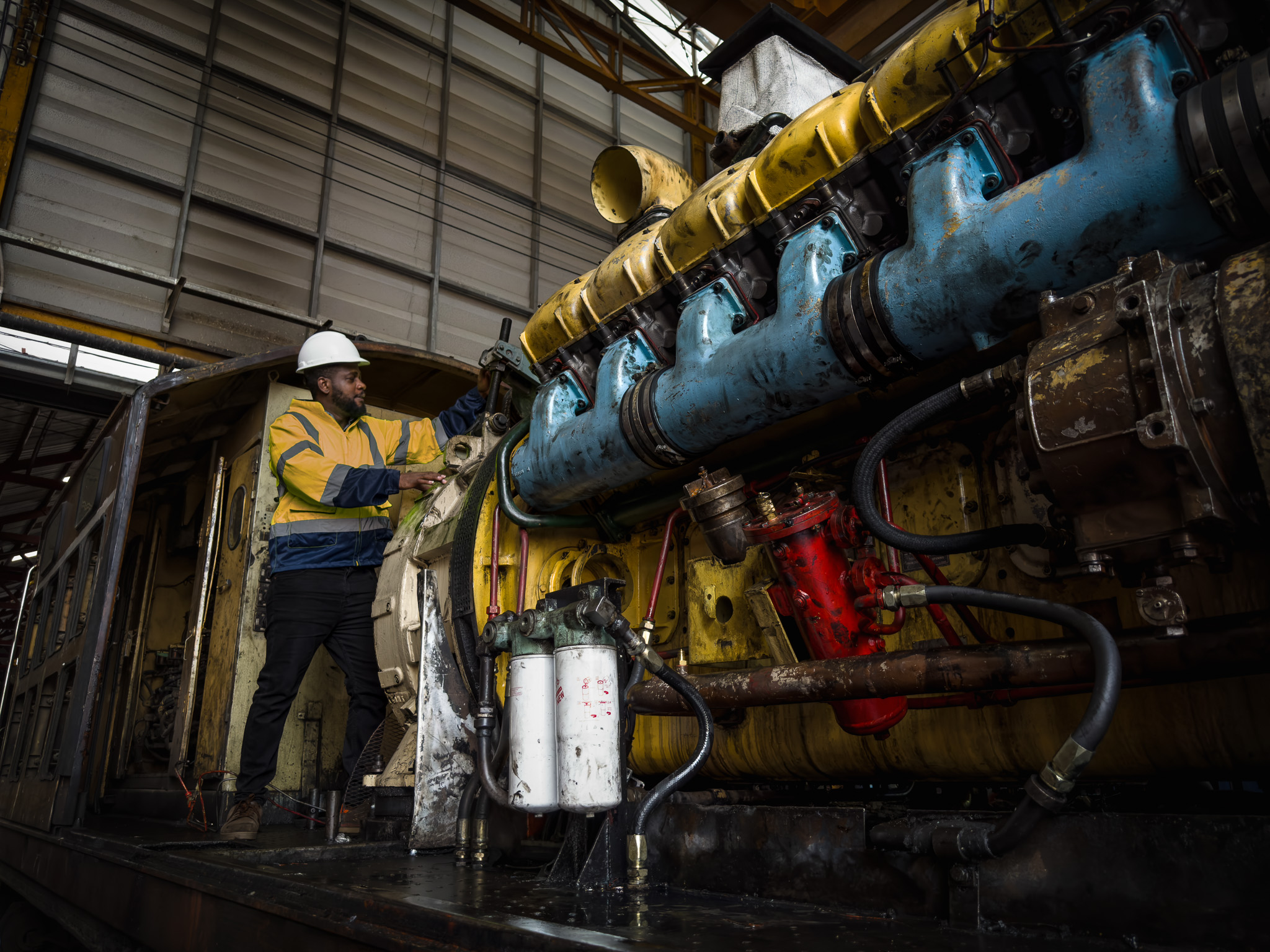

How Coolants Help Prevent Engine Overheating
An engine doesn’t have to be pushed to its limit before heat becomes a problem. A truck sitting in traffic on a hot day, a loader working through a long cycle, or a fleet vehicle climbing a steep grade can all generate substantial heat. The cooling system has to deal with it while the engine keeps doing its job.
When that system isn’t working properly, engine overheating can develop quickly.
Coolant is at the center of that process. It carries heat away from the engine and transfers it through the radiator so the system can keep temperatures under control. At the same time, the coolant needs to provide protection for the components it passes through.
That’s why coolant shouldn’t be viewed as something that’s only checked when the temperature gauge starts climbing. Good coolant performance and regular cooling system maintenance are part of keeping an engine ready for the work ahead.
Engines Generate More Heat Than Most People Think
Combustion creates a tremendous amount of heat. Only part of the energy produced by burning fuel becomes useful mechanical work; the rest has to be managed by the engine’s various heat-control systems.
The cooling system handles a large share of that job.
Coolant circulates through passages around the engine, picking up heat as it moves. It then travels to the radiator, where that heat is released before the fluid returns to the engine to repeat the cycle.
Under normal conditions, this process happens continuously while the engine is running.
The workload can change how demanding the job becomes. Heavy towing, hauling, extended idling, high ambient temperatures, and sustained engine loads can all increase the amount of heat the cooling system has to manage.
How Coolant Helps Keep Engine Temperatures Under Control
The basic function of coolant is fairly straightforward: it absorbs and carries heat away from the engine.
Water is very effective at transferring heat, but engine cooling systems aren’t designed around plain water alone. Coolant formulations are designed to provide additional properties needed for real-world operation, including freeze protection and corrosion protection.
This is where coolant performance becomes important. The fluid has to move through the system properly while continuing to provide the properties the cooling system depends on.
A properly maintained cooling system allows the coolant to:
- Absorb heat from the engine
- Carry that heat toward the radiator
- Help maintain appropriate operating temperatures
- Provide protection against freezing in cold conditions
- Help protect internal cooling system components from corrosion
The result is a cooling system that can continuously manage the heat produced during normal engine operation.


When Cooling System Problems Start Showing Up
Engine overheating usually isn’t caused by one single factor. A cooling system is made up of several components, and a problem with any one of them can affect the system’s ability to manage heat.
Low coolant levels are an obvious concern, but they’re only one possibility. A leak, restricted radiator airflow, a failing water pump, a damaged hose, or a thermostat problem can all interfere with normal cooling.
The coolant itself can also become part of the problem if it has been neglected or improperly maintained.
A system that’s low on fluid may not have enough coolant circulating through the engine. Contaminated or improperly maintained coolant may have reduced protective properties and can contribute to deposits, corrosion, or other cooling-system problems that may eventually affect heat transfer.
That’s why simply adding more coolant isn’t always the answer. If the level keeps dropping, the reason needs to be found.
Why Coolant Performance Changes Over Time
Coolant isn’t a “fill it and forget it” product.
As the cooling system operates, the fluid is exposed to heat and repeated temperature cycles. Over time, its protective additives can become depleted, depending on the coolant technology and service conditions.
This is one reason manufacturers establish coolant service intervals.
Changes in coolant condition can also point to other issues. Unusual discoloration, contamination, deposits, or an unexplained drop in coolant level are all worth investigating rather than ignoring.
Maintaining the correct coolant and following the recommended service schedule gives the cooling system a better chance of doing its job consistently.

Cooling System Maintenance Can Prevent Bigger Problems
Good cooling system maintenance isn’t particularly complicated, but it does require consistency.
A technician checking a vehicle during routine service has an opportunity to spot problems before the engine is operating under a heavy load. A quick inspection can reveal a low coolant level, a visible leak, damaged hoses, or signs that the system needs closer attention.
For fleets and equipment operators, those checks become even more important because vehicles may spend long hours working under demanding conditions.
A practical maintenance routine can include:
- Checking coolant level and condition
- Inspecting hoses, connections, and the radiator for signs of leaks or damage
- Following the manufacturer’s coolant service interval
- Checking the cooling system when overheating symptoms appear
- Using the coolant specified for the equipment
- Investigating repeated coolant loss instead of simply topping off the reservoir
None of these steps takes the place of proper diagnosis when a cooling system has a serious fault. They do, however, make it easier to catch smaller problems before they lead to costly repairs or unexpected downtime.
Choosing Coolant for the Application
Not every engine should automatically receive the same coolant. Manufacturers specify coolant requirements based on the engine and cooling system, so those specifications should always guide product selection.
This is particularly important for operations with mixed equipment. A fleet may have different engines, different ages of equipment, and different coolant requirements. Assuming one product is suitable for everything can create unnecessary problems.
The right coolant should provide the required temperature protection and meet the equipment manufacturer’s specifications. Product labeling and maintenance records should make it clear which coolant belongs in which application.
For maintenance teams looking to keep their fluid inventory organized, PRO X coolants offer options for different applications while allowing the correct product to be matched to the equipment requirements.
The goal isn’t simply to find a coolant that works. It’s to use the right coolant consistently and maintain the cooling system around it.

Keeping Engine Heat Under Control
A cooling system doesn’t get much recognition when everything is working properly. The engine starts, the temperature stays where it should, and the vehicle gets through its shift. That’s exactly what a maintenance team wants.
Reducing the risk of engine overheating requires a cooling system that can manage heat effectively. Good coolant performance depends on using the appropriate product, maintaining the correct coolant level and condition, and following the service requirements for the equipment.
Regular cooling system maintenance ties everything together. Checking the fluid, looking for leaks, inspecting components, and addressing unusual temperature changes early can help keep small problems from turning into major repairs.
Coolant can’t fix a failed water pump or a blocked radiator, but using the correct coolant and maintaining the cooling system properly can help the engine remain within its intended operating temperature under demanding conditions.