

Understanding the Difference Between Conventional and Extended Life Coolants
Coolant is one of those vehicle fluids that tends to get overlooked until something goes wrong. Most drivers know it keeps the engine from getting too hot, but there’s more to the story than that. The coolant circulating through the system also helps protect metal components from corrosion and keeps the cooling system working properly through changing temperatures.
The confusion usually starts when it’s time for a coolant change. Walk into an auto parts store or a service shop, and you’ll find several different types, each claiming to offer a different level of protection. Conventional coolant and extended-life coolant are two of the most common categories, but they aren’t simply interchangeable versions of the same product.
The difference comes down to formulation, additive technology, service life, and most importantly, the requirements of the vehicle or equipment.
Understanding those differences makes it easier to choose a coolant that fits the application rather than picking one based on color or marketing alone.
What Conventional Coolant Is Designed to Do
Conventional coolant has been used in vehicles and equipment for decades. Its basic purpose hasn’t changed: provide protection against freezing and overheating while helping guard the cooling system against corrosion.
The formulation uses corrosion-inhibiting additives to protect components such as the radiator, water pump, engine passages, and other metal surfaces that come into contact with coolant.
For vehicles and equipment designed for this type of coolant, it remains a practical choice for routine maintenance.
A typical conventional coolant application may involve:
- Passenger cars and light trucks with compatible cooling systems
- Older vehicles and equipment
- Certain industrial engines
- Applications designed around traditional coolant formulations
- Fleets following shorter, established coolant service intervals
The important word here is compatible. Older doesn’t automatically mean conventional, and newer doesn’t automatically mean extended life. The equipment manufacturer’s specification should always be the starting point.
How Extended Life Coolant Changed Coolant Technology
Coolant technology has evolved alongside engine design.
Modern engines can place demanding thermal loads on cooling systems and may use more compact cooling passages and increasingly sophisticated materials. Manufacturers have also looked for ways to reduce maintenance requirements, including extending the useful service life of fluids.
That’s where extended life formulations come into the picture.
An extended-life coolant uses a different additive approach intended to provide longer-lasting corrosion protection under the conditions for which the product is designed. Instead of relying on the same additive package used in traditional coolants, these formulations use newer inhibitor technologies that can remain effective for longer periods.
That doesn’t mean an extended-life coolant should automatically be considered “better” for every vehicle.
It means the coolant is designed around a different maintenance strategy.
If an engine manufacturer specifies an extended-life formulation, using the appropriate product can help the cooling system follow the service expectations built into the vehicle’s maintenance plan.


Conventional vs. Extended Life: What's the Real Difference?
The difference becomes easier to understand when you look at what happens to coolant over time. Conventional and extended-life coolants use different corrosion-inhibitor technologies and are typically designed around different service intervals. Conventional formulations generally require shorter service intervals than extended-life formulations when used according to manufacturer recommendations.
Extended-life formulations take a different approach. Their additive systems are designed to keep providing corrosion protection for a longer period, which can allow for longer service intervals when the vehicle manufacturer specifically recommends that type of coolant.
For a fleet or repair shop, that difference can affect how maintenance is scheduled. A conventional coolant may require more frequent attention, while an extended-life coolant can reduce the number of coolant changes when it’s approved for the application.
Neither option is automatically right for every vehicle. The important thing is matching the coolant to the system rather than choosing based on the advertised service life.
Before changing coolant, technicians should check:
- The manufacturer’s recommended coolant type
- The service interval for the vehicle or equipment
- The formulation currently in the cooling system
- Compatibility of the replacement coolant
- Any specific requirements for the engine or cooling system
Once those details are clear, choosing between conventional and extended-life coolant becomes much less complicated.
Why Mixing Coolant Types Can Create Problems
This is where coolant maintenance can get tricky.
If a vehicle already contains one type of coolant, topping it off with another formulation may change the overall additive balance. The result isn’t necessarily an immediate failure, but it can make the system harder to manage and may reduce the advantages of the original coolant technology.
For fleet operators, this becomes even more important.
A maintenance shop might have several vehicles using different coolant specifications. If technicians aren’t sure which product belongs in each vehicle, mistakes become easier to make.
Before topping off or replacing coolant, check:
- The vehicle or equipment manufacturer’s specification
- The coolant already in the system
- Recommended service interval
- Required coolant specification or OEM approval
- Whether the replacement product is approved for the application
When the coolant type is unknown, guessing is rarely worth the risk.
How Coolant Technology Affects Maintenance Planning
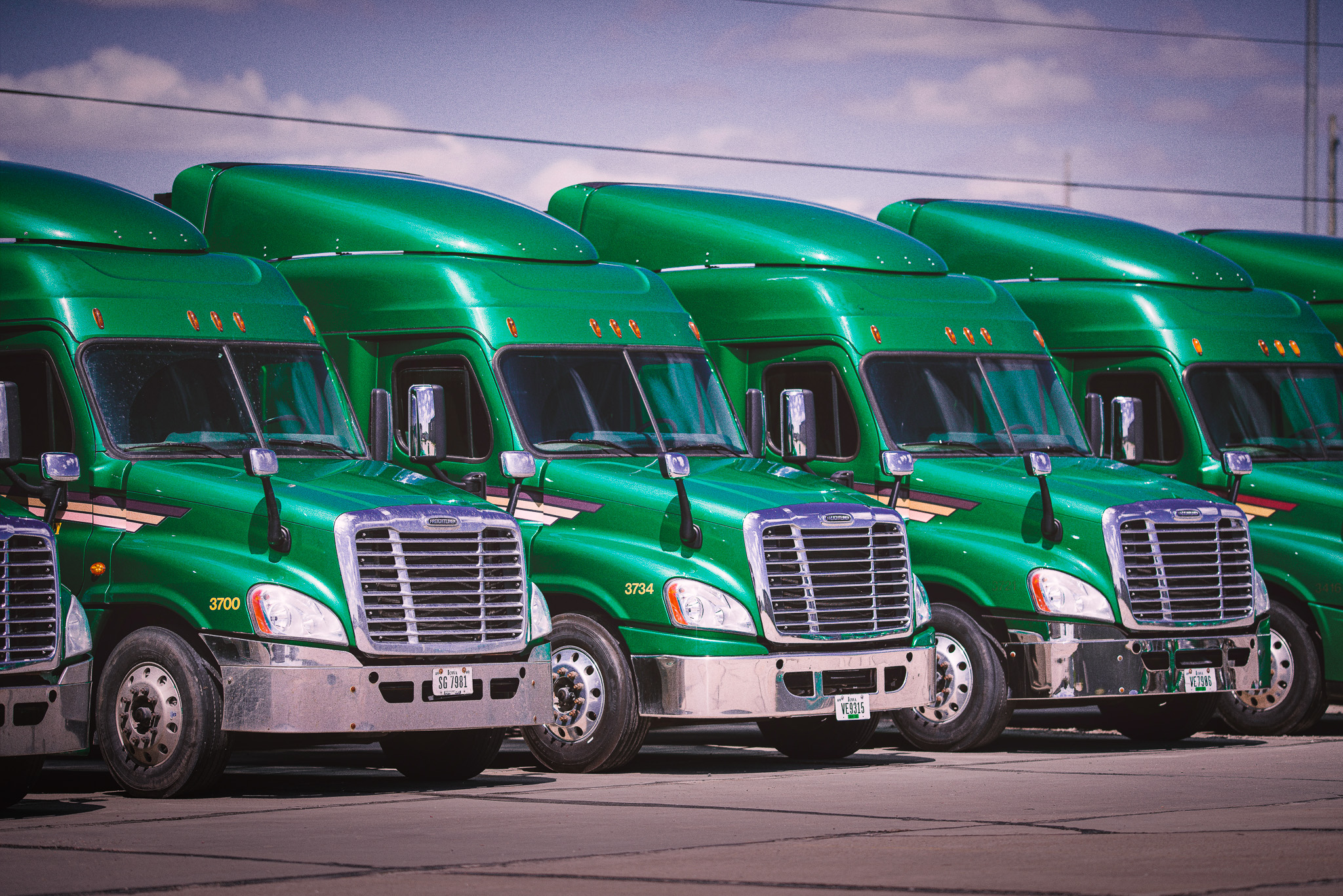
For an individual driver, coolant selection may only come up every few years. Fleet managers have a different problem.
They may be responsible for dozens of vehicles with different ages, engine designs, and service schedules. Keeping track of which units use conventional coolant and which require an extended-life coolant can become part of the broader maintenance challenge.
A simple recordkeeping system can make this easier.
Fleet maintenance teams can track:
- Coolant type used in each vehicle
- Date of the last coolant change
- Current mileage or engine hours
- Recommended replacement interval
- Any cooling-system repairs
- Product used during previous service
That information gives technicians something much better than a guess when a vehicle comes in for service.
It also helps purchasing teams avoid stocking unnecessary products while making sure the right coolant is available when it’s needed.
Choosing Coolant Based on the Vehicle, Not the Color
Coolant color can be useful for identification, but it shouldn’t be the deciding factor.
Different manufacturers and coolant formulations can use similar colors, while the same general color doesn’t necessarily mean two products have identical chemistry or compatibility.
This is one area where modern coolant technology can make coolant selection more confusing than it appears.
The better approach is simple: start with the owner’s manual, service documentation, or equipment manufacturer’s recommendation. Then select a coolant that meets the required specification.
For maintenance teams managing different vehicles, a broader selection of PRO X antifreeze and coolants can make it easier to find products suited to different cooling-system requirements without treating every application as the same.
The right coolant isn’t necessarily the one with the longest service interval or the newest-sounding technology.
It’s the one that belongs in that particular cooling system.

Making the Right Coolant Choice for Long-Term Protection
Conventional and extended-life coolants both have a place in vehicle and equipment maintenance. The difference is in how they’re formulated, how their corrosion inhibitors work, and how they’re intended to fit into a maintenance schedule.
A conventional coolant can be a dependable choice when it’s specified for the application and replaced according to the recommended service interval. An extended-life coolant may provide a longer recommended service interval when it meets the requirements of the cooling system and is maintained according to manufacturer recommendations.
As coolant technology continues to develop, the best approach hasn’t really changed: follow the manufacturer’s requirements, use compatible products, and keep accurate maintenance records.
For drivers, technicians, and fleet managers, that takes much of the guesswork out of coolant service. And when the cooling system is properly maintained, the engine has a better chance of handling the heat, cold, and long hours of operation it faces every day.