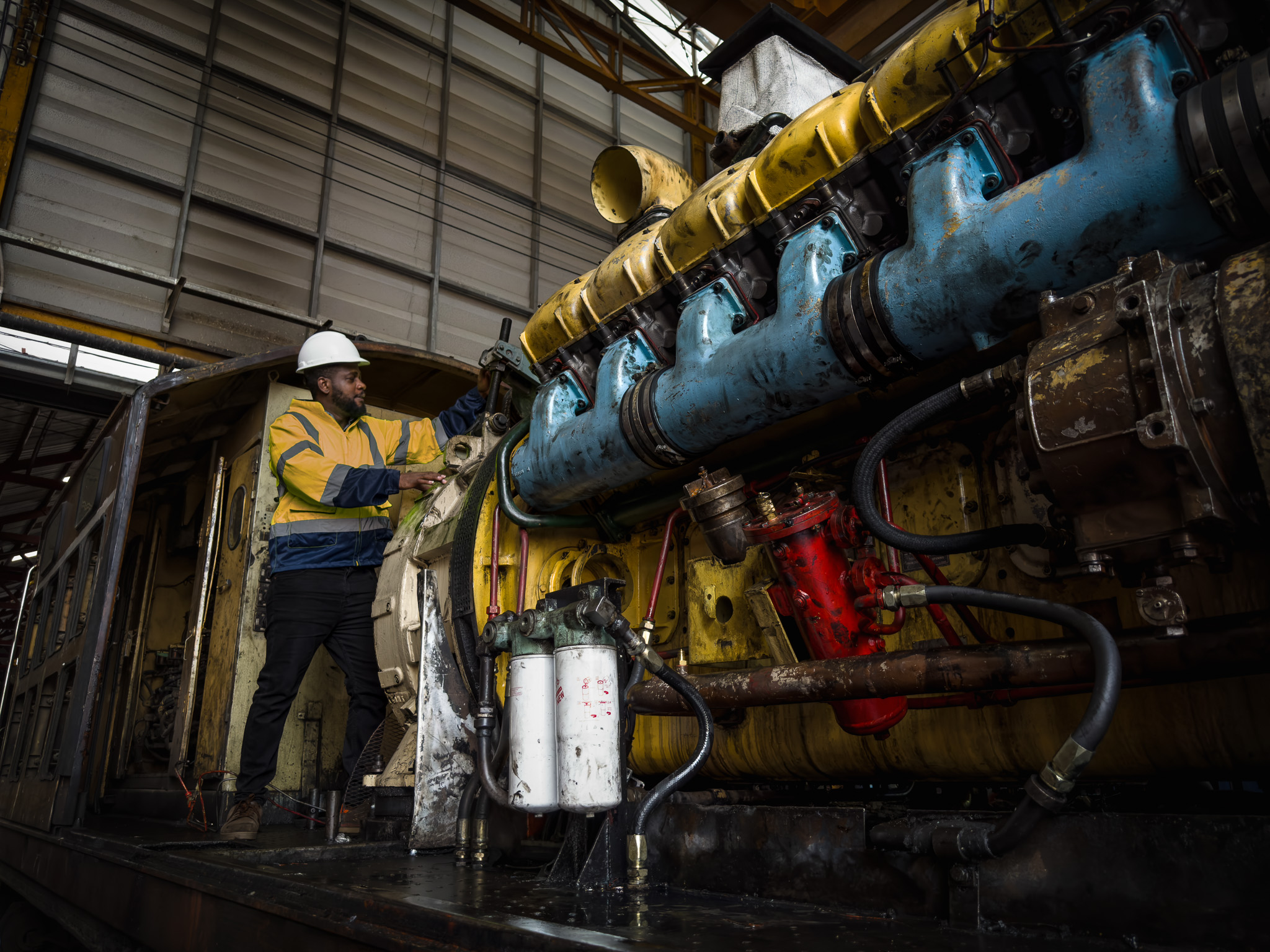

The Importance of Freeze Protection in Commercial Fleets
Winter has a way of exposing weak points in fleet maintenance. A truck that ran without trouble through the summer can suddenly become a problem when temperatures drop and equipment sits outside overnight.
Coolant is one of those maintenance items that’s easy to overlook until the weather turns cold.
For commercial fleets, freeze protection isn’t simply about keeping the engine from freezing. The cooling system has to remain protected while vehicles sit, start, warm up, and work through changing temperatures. If the coolant isn’t providing the protection the system requires, freezing conditions can create problems that are far more expensive than a routine coolant service.
That’s why freeze protection belongs in the seasonal maintenance conversation, especially for fleets operating in areas where temperatures can fall below the coolant’s rated protection level.
Cold Weather Doesn't Put Fleet Equipment on Pause
The commercial fleet doesn’t stop because winter arrives. Delivery trucks still leave before sunrise, construction equipment still has jobs to complete, and heavy-duty vehicles may spend hours on the road regardless of the weather.
Cold temperatures create a different set of demands on the cooling system.
When a vehicle is parked for several hours, the coolant temperature can fall substantially. If the coolant mixture doesn’t provide adequate protection, freezing becomes a real concern.
Fleet managers also have to think beyond individual vehicles. A commercial operation may have dozens or hundreds of units exposed to the same weather conditions. If the same coolant maintenance issue is overlooked across the fleet, multiple vehicles may be exposed to inadequate freeze protection.
What Freeze Protection Actually Does
The primary purpose of freeze protection is straightforward: it helps keep the coolant from freezing as temperatures fall.
But there’s more to the cooling system than simply preventing ice from forming. Coolant also circulates through passages around the engine and other components, helping manage operating temperatures and protect internal metal surfaces.
A properly selected coolant mixture provides protection across a range of temperatures rather than only during the coldest part of winter.
For fleet maintenance teams, that means checking the actual protection level matters. Assuming that coolant is adequately protected because it was serviced previously isn’t always enough, particularly when vehicles have been topped off, systems have been diluted, or maintenance records aren’t clear.


Choosing a Fleet Coolant for Winter Conditions
The right fleet coolant should be selected according to the equipment manufacturer’s requirements and the conditions in which the vehicles operate.
There isn’t a single coolant mixture that should automatically be used in every commercial vehicle. Engine designs, coolant specifications, operating temperatures, and service requirements can vary.
Before winter arrives, maintenance teams should consider:
- The coolant specification recommended by the equipment manufacturer
- The expected temperature range in the operating area
- The existing coolant mixture and condition
- Whether the coolant provides the required freeze protection
- The recommended coolant service interval
- Compatibility before adding or changing coolant
Color shouldn’t be used as the deciding factor. Different coolant formulations can share similar colors while having different chemistry and application requirements.
A little checking before winter can prevent a lot of confusion once temperatures start falling.
Winter Maintenance Starts Before the First Hard Freeze
Good winter maintenance isn’t something a fleet should begin after the first overnight freeze. By then, vehicles may already be operating in cold conditions every morning.
Coolant inspections can be incorporated into the normal pre-winter service routine. Technicians can check coolant condition and protection level while also looking for leaks, contamination, damaged hoses, and other cooling system concerns.
That approach is especially useful for larger fleets. Instead of waiting for individual problems to appear, maintenance teams can work through vehicles systematically and identify units that need attention.
Other winter checks may include:
- Inspecting coolant levels and condition
- Checking the cooling system for visible leaks
- Inspecting hoses and connections
- Reviewing coolant service records
- Confirming the correct coolant specification for each vehicle
- Checking freeze protection before severe cold arrives
The point isn’t to create another complicated maintenance program. It’s to catch issues while the vehicle is already in the shop.

What Happens When Coolant Doesn't Have Enough Freeze Protection?
Insufficient freeze protection can create serious problems when temperatures fall far enough.
If the coolant mixture reaches its freezing range, ice formation and expansion can place significant stress on cooling-system components. That expansion can place significant stress on components within the cooling system. A frozen or partially frozen cooling system can also restrict coolant circulation and interfere with proper engine temperature control.
Even less dramatic problems can create headaches for fleet operators. A weak coolant mixture may indicate that the system has been diluted or improperly serviced, which means the vehicle may not have the protection the maintenance team expects.
This is where routine checks become valuable. Finding inadequate protection in a maintenance bay is a much better situation than discovering it when a vehicle is supposed to leave for its first route of the morning.
Making Coolant Management Easier Across a Fleet
Commercial fleets often have a mixture of vehicle ages, engine types, and service histories. Keeping track of every cooling system can become difficult if coolant selection and maintenance practices aren’t standardized.
Using the right fleet coolant for each application and keeping products clearly identified can make routine service easier for technicians. It also reduces the chance of someone reaching for the wrong product when a vehicle needs a quick top-off.
This is where a dependable range of PRO X coolants and antifreeze can fit into a broader fleet maintenance strategy. The important part is still matching the product to the equipment manufacturer’s requirements and maintaining the correct mixture.
Storage matters, too. Coolant containers should be clearly labeled and kept in an appropriate location so technicians can quickly identify what they’re using. Good organization may sound basic, but it becomes valuable when several vehicles need service during a cold-weather maintenance push.

Reliable Winter Operations Start With the Cooling System
Commercial fleets don’t get to choose their operating conditions. Routes still have to be completed, equipment still has to work, and vehicles may spend long periods outside in temperatures that test every part of the maintenance program.
That makes winter maintenance worth planning before cold weather arrives.
The right fleet coolant, maintained at the appropriate protection level, helps the cooling system remain ready for changing temperatures. Checking freeze protection before winter also gives maintenance teams an opportunity to find leaks, dilution, contamination, or other issues before they lead to equipment problems or unexpected downtime.
A strong winter maintenance routine doesn’t have to be complicated. Start with the manufacturer’s coolant requirements, verify the protection level, inspect the system, and make sure technicians know exactly which coolant belongs in each vehicle.
When temperatures drop, that preparation can help reduce cold-weather cooling-system problems and keep more vehicles ready for work.