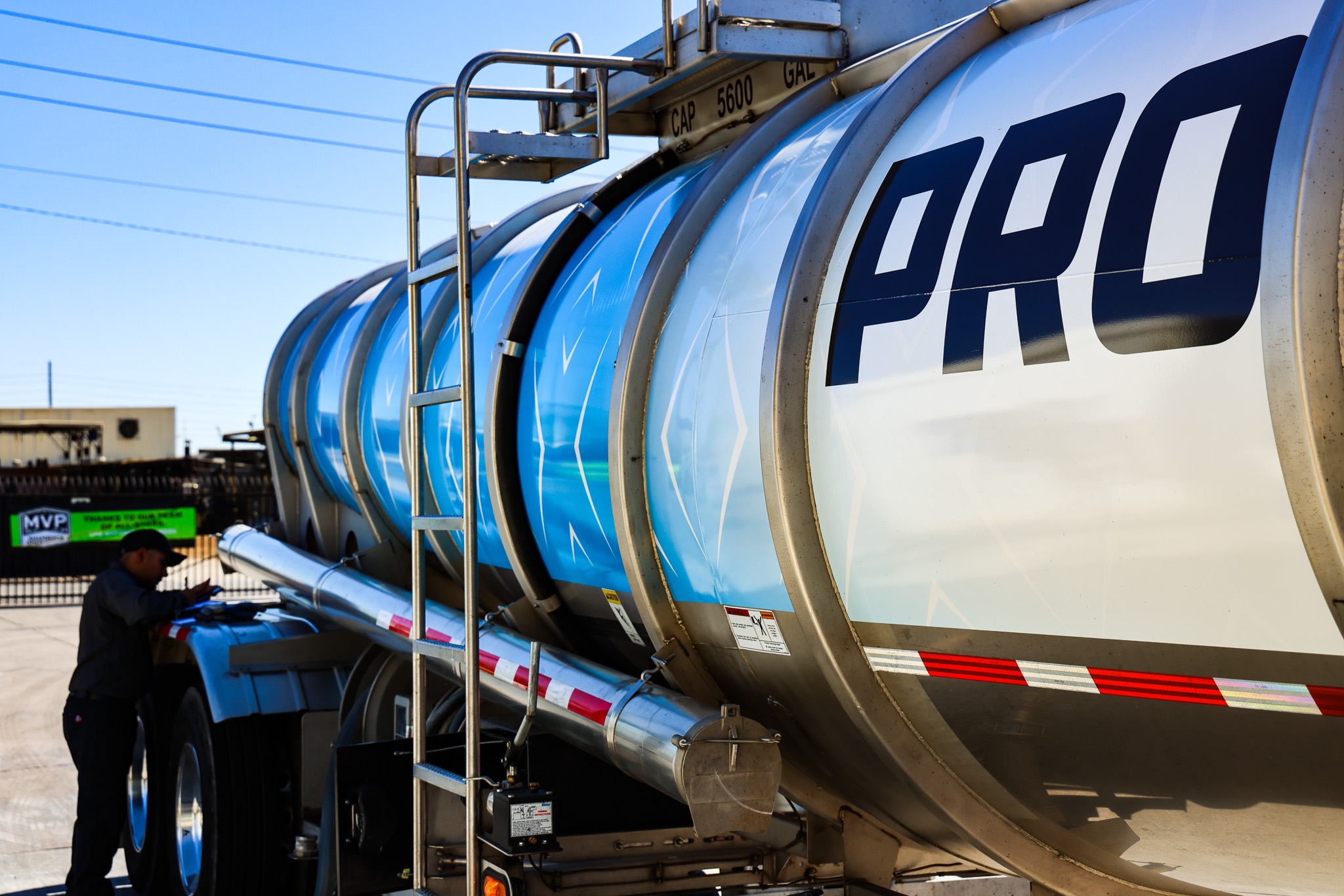

Why Is Diesel Exhaust Fluid and Why Does Your Fleet Depend on It
Diesel engines form the backbone of the global economy, powering critical operations across logistics, transportation, construction, agriculture, and industrial sectors. As regulations increasingly demand lower emissions and higher efficiency, diesel engine technology has undergone a significant transformation. At the center of this evolution is Diesel Exhaust Fluid (DEF), now an essential component of modern fleet management.
For fleet managers, DEF is more than a regulatory requirement—it directly influences fleet performance, fuel efficiency, and equipment reliability. Consistent access to high-quality DEF ensures fleets operate smoothly, minimizing costly downtime and maintaining peak operational efficiency.
How PRO X DEF Powers Cleaner, More Efficient Diesel Engines
Diesel Exhaust Fluid (DEF) is a precise blend of 32.5% automotive-grade urea and 67.5% deionized water. It is designed exclusively for diesel engines equipped with Selective Catalytic Reduction (SCR) systems. DEF is non-toxic, non-flammable, and safe to handle when used correctly.
The adoption of DEF emerged from global efforts to meet stricter emissions standards targeting nitrogen oxide (NOx) pollutants. NOx contributes to smog, acid rain, and respiratory health issues. Traditional engine-based emission controls could not achieve these standards without compromising performance.
SCR technology, enabled by DEF, offers an effective solution. Instead of limiting engine combustion, emissions are treated post-combustion in the exhaust system. This innovation allows diesel engines to remain powerful and fuel-efficient while dramatically reducing harmful emissions.
How Diesel Exhaust Fluid Works in Modern Diesel Engines
In SCR-equipped vehicles, Diesel Exhaust Fluid is stored in a dedicated DEF tank. During operation, precise doses of DEF are injected into the hot exhaust stream before it enters the SCR catalyst.
At high temperatures, DEF decomposes to produce ammonia, which reacts with nitrogen oxides (NOx) in the catalyst. This reaction converts harmful NOx into harmless nitrogen gas and water vapor—both naturally occurring components of the atmosphere with no environmental threat.
This system allows engines to run at higher temperatures, improving fuel efficiency and overall performance. Properly functioning DEF systems are critical to maintaining continuous SCR operation, preventing engine derates or shutdowns that could disrupt fleet operations. Although DEF works behind the scenes, it is essential for modern diesel engines to perform reliably and meet emissions regulations.

Why Diesel Exhaust Fluid Is Non-Negotiable for Fleet Compliance
Fleet operators must comply with environmental regulations, which are now central to daily operations. Governments mandate inspection procedures, onboard diagnostic systems, and enforce penalties for non-compliance. Vehicles running low on Diesel Exhaust Fluid (DEF) trigger warning systems that can limit engine power or even shut down the vehicle entirely.
Modern diesel engines are equipped with computer systems that protect emissions controls. When DEF levels are insufficient or the fluid quality is compromised, the engine may:
Reduce power
Limit vehicle speed
Prevent restart after shutdown
For fleet owners, these safeguards have direct implications for risk management. Missed deliveries, delayed projects, and failed inspections can quickly result in financial losses.
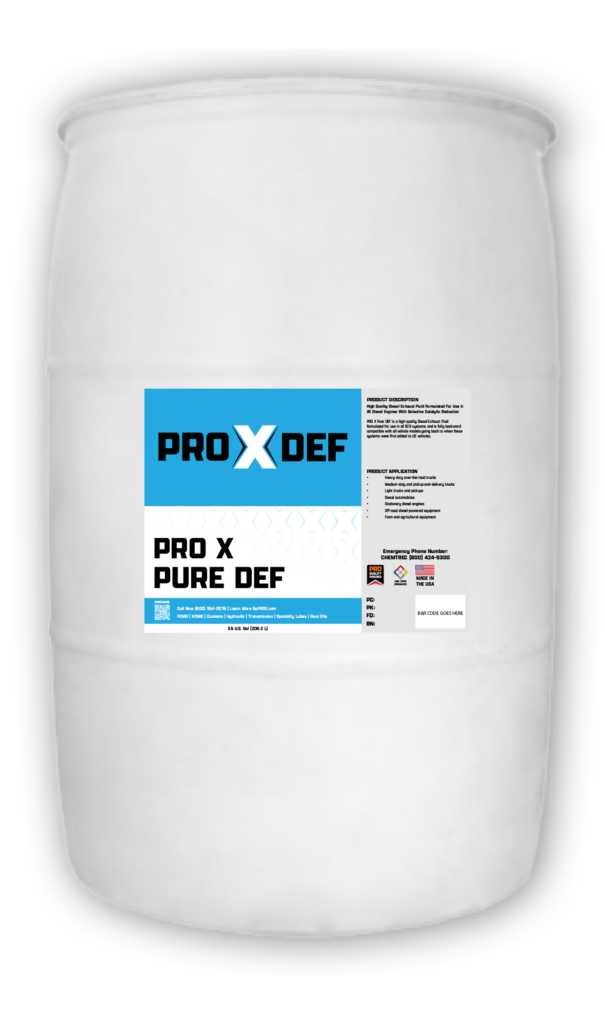
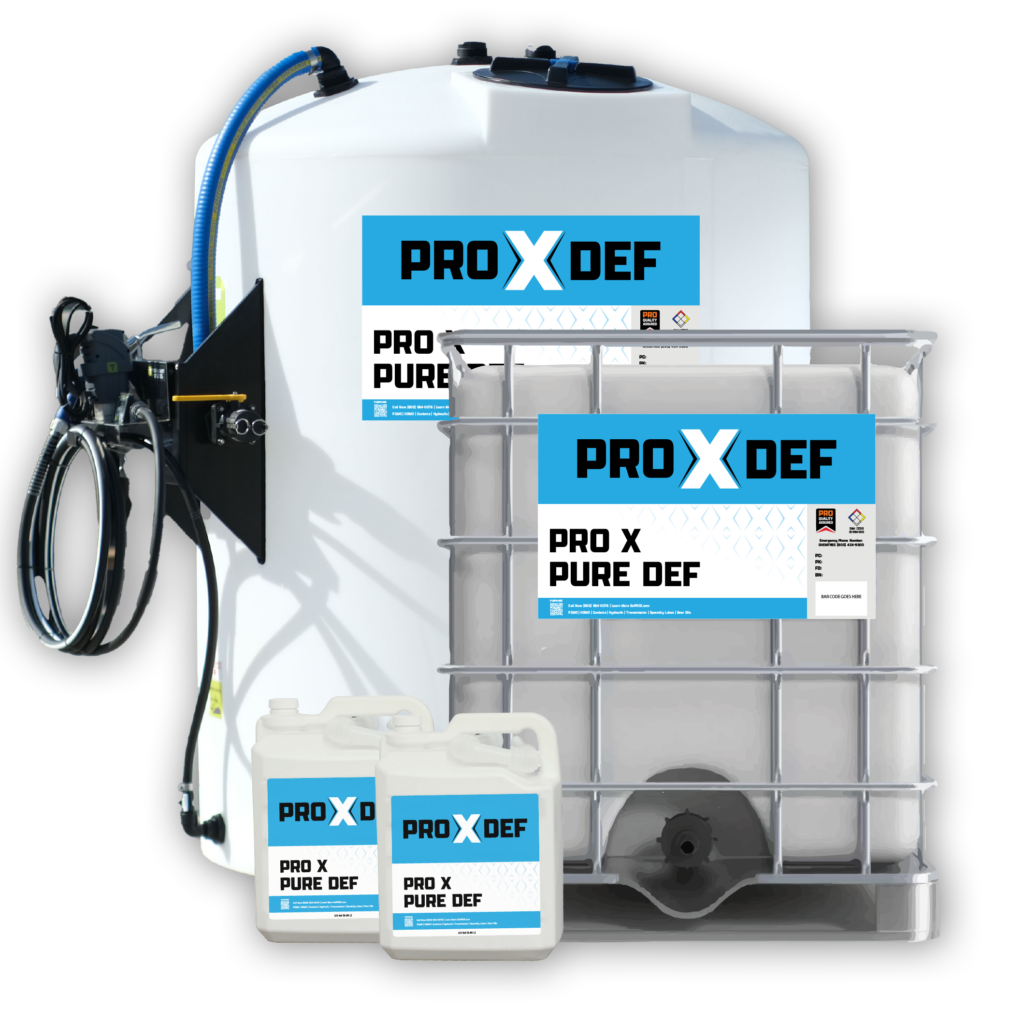
A dependable DEF solution ensures vehicles remain compliant and operational. PRO X supports fleets by providing high-quality DEF that meets strict industry standards, helping maintain performance while avoiding costly interruptions.
Operational Benefits of Diesel Exhaust Fluid for Fleets
While Diesel Exhaust Fluid (DEF) is a regulatory requirement, it also delivers tangible operational benefits for fleets.
Key advantages include:
SCR systems promote more efficient fuel combustion
Engines maintain optimal operating temperatures without compromising emissions
Cleaner combustion reduces soot buildup and engine wear
Lower stress on engine components extends overall engine life
A consistent DEF supply also simplifies fleet planning. Managers can better predict fuel usage, reduce emergency refueling, and budget with confidence.
Challenges Fleets Face With DEF
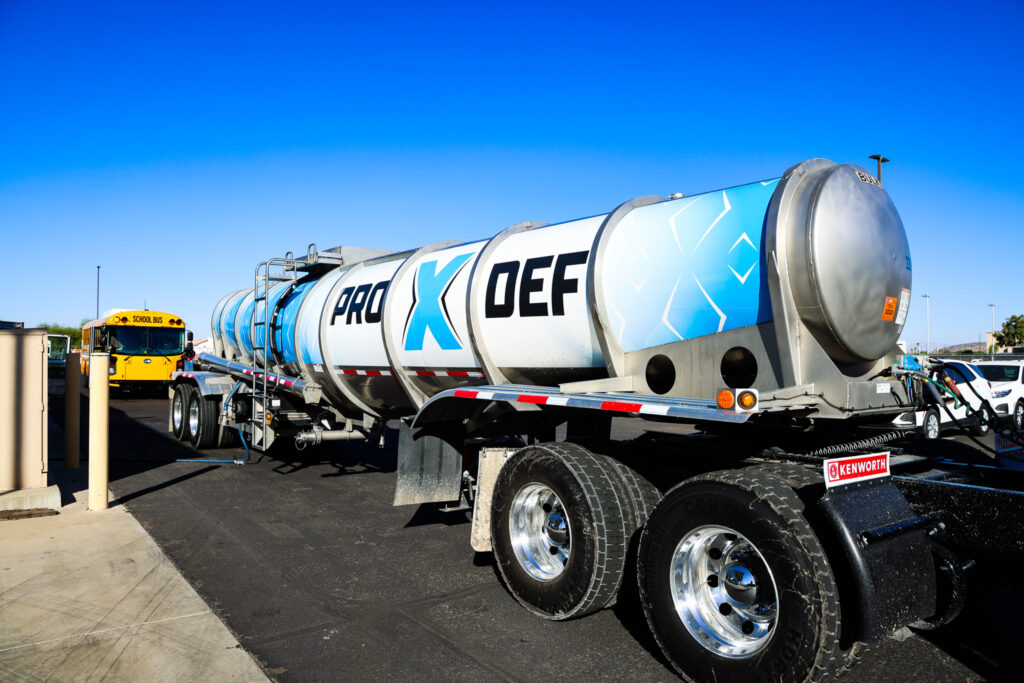
While Diesel Exhaust Fluid (DEF) is essential, managing it presents challenges for fleet owners. Low-quality DEF or unreliable suppliers can lead to serious mechanical and operational issues.
Common challenges include:
Contamination from improper storage or handling
Crystallization due to extreme temperatures
Supply shortages during peak operational periods
Damage to SCR components from substandard DEF
Even minor contamination can trigger sensor malfunctions or injector blockages, resulting in costly repairs and downtime. This underscores that DEF quality is just as critical as its availability.
Why PRO X Is the Smart Choice for Fleet DEF
Choosing the right DEF supplier is a critical decision for fleet operators. PRO X is specifically formulated to meet the demands of today’s fleets, providing reliability, regulatory compliance, and performance.
PRO X delivers:
High-purity Diesel Exhaust Fluid, formulated to ISO standards
Reliable supply to meet fleet size and operational needs
DEF solutions that protect SCR systems
A trusted partnership focused on long-term fleet success
By partnering with PRO X, fleets reduce operational risks, streamline DEF management, and ensure consistent compliance. This allows fleet managers to focus on what matters most: growth, productivity, and customer satisfaction.

The Future of Fleet Operations Depends on Diesel Exhaust Fluid
As emissions regulations grow stricter, Diesel Exhaust Fluid (DEF) remains essential for modern fleet operations. SCR technology is now the standard, and fleets that prioritize high-quality DEF and reliable suppliers stay ahead.
PRO X DEF solutions meet today’s needs while preparing fleets for tomorrow—ensuring compliance, uptime, and operational confidence. More than a requirement, DEF is the foundation of reliable, efficient, and resilient fleet performance.