Why Cooling Systems Matter for Equipment Reliability
A machine can have a powerful engine, a solid drivetrain, and a well-planned maintenance schedule, yet one cooling system problem can bring the entire operation to a stop. A blocked radiator, leaking hose, failing water pump, or neglected coolant can turn an otherwise productive workday into an expensive repair.
This is particularly important for equipment that operates for long hours. Construction machinery, commercial trucks, agricultural equipment, and industrial generators all depend on consistent temperature control. Their engines generate substantial heat, and that heat needs to be managed throughout the operating cycle.
The importance of cooling systems goes beyond keeping the temperature gauge in its normal range. They help maintain the conditions engines need to operate, protect internal components, and reduce the risk of unexpected failures. For businesses that depend on machinery every day, this directly affects equipment reliability and operating costs.
Overview
- Cooling systems do more than prevent overheating; they help protect critical engine components.
- Poor coolant condition, restricted airflow, and mechanical faults can lead to costly equipment downtime.
- Regular inspections and correct coolant selection support long-term equipment reliability.
- Routine cooling system maintenance helps reduce avoidable repairs and keep machinery ready for work.
Cooling Systems Do More Than Prevent Overheating
When an engine is running, combustion produces heat that must be carried away from critical components. The cooling system circulates coolant through passages in the engine, where it absorbs heat before moving toward the radiator. Airflow across the radiator then helps release that heat into the surrounding environment.
This process continues throughout operation. If any part of the system becomes less effective, temperatures can rise and place additional stress on the engine.
However, temperature control is only one responsibility. Coolant also contains additives that help protect metal surfaces against corrosion and deposits. Depending on the formulation and application, it may also help protect against cylinder liner pitting and other forms of deterioration.
A cooling system in good condition supports:
- Consistent engine operating temperatures.
- Protection against freezing and overheating.
- Corrosion control inside the system.
- Heat transfer through engine and radiator passages.
- Protection against liner pitting in applicable diesel engines.
These functions work together. A radiator that cannot release heat effectively may cause overheating even when the coolant itself is in good condition. Likewise, a cooling system may maintain normal temperatures while depleted coolant inhibitors leave internal surfaces vulnerable to corrosion.
That is why engine protection requires attention to both the mechanical components and the fluid circulating through them.


How Cooling Problems Affect Equipment Reliability
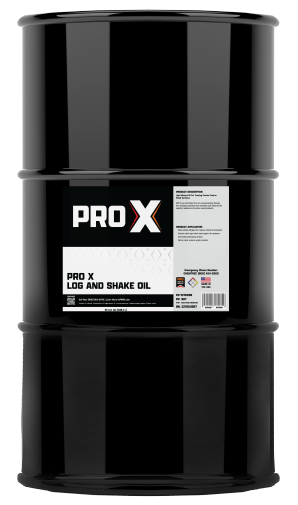
Cooling problems rarely stay limited to the cooling system. When an engine operates outside its intended temperature range, other components can experience additional stress.
Excessive heat can affect lubricating oil, seals, hoses, gaskets, and engine components. In severe cases, overheating may lead to cylinder head distortion, gasket failure, or damage to other internal parts. Even when the engine does not suffer major damage, repeated overheating events can interrupt production and increase maintenance expenses.
For a construction company, an overheated excavator may delay an entire project. A delivery truck experiencing cooling problems can miss scheduled routes. In manufacturing facilities, a generator or production machine that becomes unavailable may affect several connected operations.
This is where equipment reliability becomes a practical business concern rather than simply a technical maintenance target.
Cooling-related failures can create several operational problems:
- Unplanned equipment downtime.
- Emergency repair expenses.
- Delayed deliveries and production schedules.
- Increased pressure on maintenance personnel.
- Reduced availability of critical machinery.
- Additional costs from replacing damaged components.
A machine does not have to experience a catastrophic failure for cooling problems to become expensive. Repeated workshop visits, coolant losses, and unnecessary component replacements can gradually increase operating costs.
Maintaining the cooling system helps reduce interruptions and supports dependable operation under demanding conditions.
What Puts Extra Pressure on an Engine Cooling System?
Not every machine operates under the same conditions. A highway truck, an agricultural tractor, and a stationary generator may all use liquid cooling, but their operating environments can be very different.
Heavy equipment working in dusty areas may experience restricted radiator airflow as debris collects around cooling surfaces. Machines operating in high ambient temperatures have less opportunity to release heat into the surrounding air. Equipment running continuously may also have limited cooling periods between shifts.
Several conditions deserve particular attention:
- High ambient temperatures.
- Heavy or continuous engine loads.
- Dust and debris around radiators.
- Long operating hours.
- Restricted airflow.
- Low coolant levels.
- Worn hoses or damaged connections.
- Poor coolant condition.
Some of these problems develop gradually. A radiator may become increasingly restricted, a hose may begin to deteriorate, or coolant may slowly lose its protective properties. The engine might continue operating for some time before the effects become obvious.
For this reason, maintenance teams should consider the working environment when planning inspections. Equipment exposed to dust, heat, and continuous workloads may need closer attention than machinery operating under lighter conditions.
Coolant Quality Plays a Major Role in Engine Protection
A cooling system can have sound mechanical components and still provide inadequate protection if the coolant is unsuitable or poorly maintained.
Coolant is formulated to manage temperature while protecting surfaces that remain in contact with the fluid. Its additive package helps control corrosion and, in certain heavy-duty diesel applications, reduces the risk of cylinder liner pitting. The formulation also influences other properties, including freeze protection and resistance to deposits.
Different coolant technologies use different inhibitor packages. Conventional formulations, Organic Acid Technology (OAT), and hybrid products are not automatically interchangeable. The correct choice depends on the engine manufacturer’s requirements and the existing coolant in the system.
For example, PRO X HD Universal 50/50 A/F GOLD is a premixed, nitrite-free OAT coolant designed for extended fluid life. It is formulated for applications including heavy-duty trucks, off-road and mining equipment, agricultural machinery, and continuous-duty or standby generators. Its stated benefits include freeze and overheating protection, corrosion resistance, and protection against liner pitting.
The product’s premixed format also removes the need to prepare a coolant mixture at the service location. However, the product still needs to meet the requirements of the specific engine before it is used.
Coolant should not be selected simply by color or price. A formulation that is suitable for one machine may not meet the specifications of another. Mixing incompatible products can also affect the intended inhibitor balance.
Good engine protection begins with using the right coolant and keeping it in suitable condition throughout its service life.
Routine Inspections Help Prevent Cooling System Failures
A cooling system should not receive attention only after an engine overheats. By that point, the original problem may have already caused damage or interrupted operations.
Routine inspections give technicians an opportunity to identify developing issues while they are still manageable. Coolant levels, hoses, radiator condition, connections, and visible signs of leakage should all receive attention during scheduled servicing.
Coolant testing is equally important. Depending on the formulation, technicians may need to monitor freeze protection, pH, and inhibitor condition. Testing methods should match the coolant technology, and results should be evaluated against the manufacturer’s recommendations.
A useful inspection routine can include:
- Checking coolant levels.
- Looking for leaks and dried coolant residue.
- Inspecting hoses, clamps, and radiator connections.
- Checking the radiator for dirt and restricted airflow.
- Monitoring coolant condition through suitable testing.
- Investigating repeated coolant loss.
- Recording coolant changes and inspection results.
The condition of the water pump, thermostat, radiator cap, and cooling fan also matters. A mechanical fault in any of these components can affect circulation, pressure, or heat dissipation.
If a machine repeatedly runs hotter than normal, simply replacing the coolant may not solve the problem. The underlying cause needs to be identified before the equipment returns to regular service.
Consistent inspections support equipment reliability because they help maintenance teams move away from reactive repairs. They also provide a clearer picture of how individual machines are performing over time.
Cooling System Maintenance Across Different Equipment Applications
The maintenance demands of a mixed fleet can be difficult to manage. A business may operate trucks, loaders, tractors, forklifts, and generators, each with different engine designs and service requirements.
Applying the same coolant and inspection schedule to every machine without checking specifications can create unnecessary risks. Some engines require particular coolant technologies, while others have different service intervals or testing requirements.
A more organized approach starts with equipment records. Maintenance teams should know which coolant each machine uses, when it was last replaced, and whether any recurring cooling problems have been reported.
Operating conditions should also influence inspection planning. A generator used as emergency backup may accumulate relatively few running hours, but it still needs periodic checks. A loader working multiple shifts in a dusty environment may require more frequent radiator cleaning and closer monitoring of coolant levels.
Keeping cooling system maintenance within the wider service schedule makes these tasks easier to manage. It also helps technicians identify patterns, such as repeated coolant loss from one machine or recurring overheating under similar operating conditions.
These practices contribute to stronger equipment reliability while helping businesses manage maintenance resources more effectively. When cooling systems receive consistent attention, there is less chance of small faults developing into major interruptions.

Reliable Equipment Starts With a Healthy Cooling System
Engines are built to handle demanding workloads, but they still depend on effective temperature control and proper internal protection. A cooling system that is neglected can gradually affect engine performance, increase repair costs, and interrupt operations when equipment is needed most.
Maintaining cooling systems requires more than checking the coolant reservoir. The radiator, water pump, hoses, thermostat, coolant condition, and overall circulation all contribute to how effectively the system performs.
For maintenance teams, the goal is to identify problems before they affect production or equipment availability. Correct coolant selection, regular inspections, and attention to operating conditions all contribute to better engine protection.
Equipment reliability depends on consistent attention to the systems that keep machinery working. A healthy cooling system helps equipment perform shift after shift while reducing the risk of avoidable interruptions.