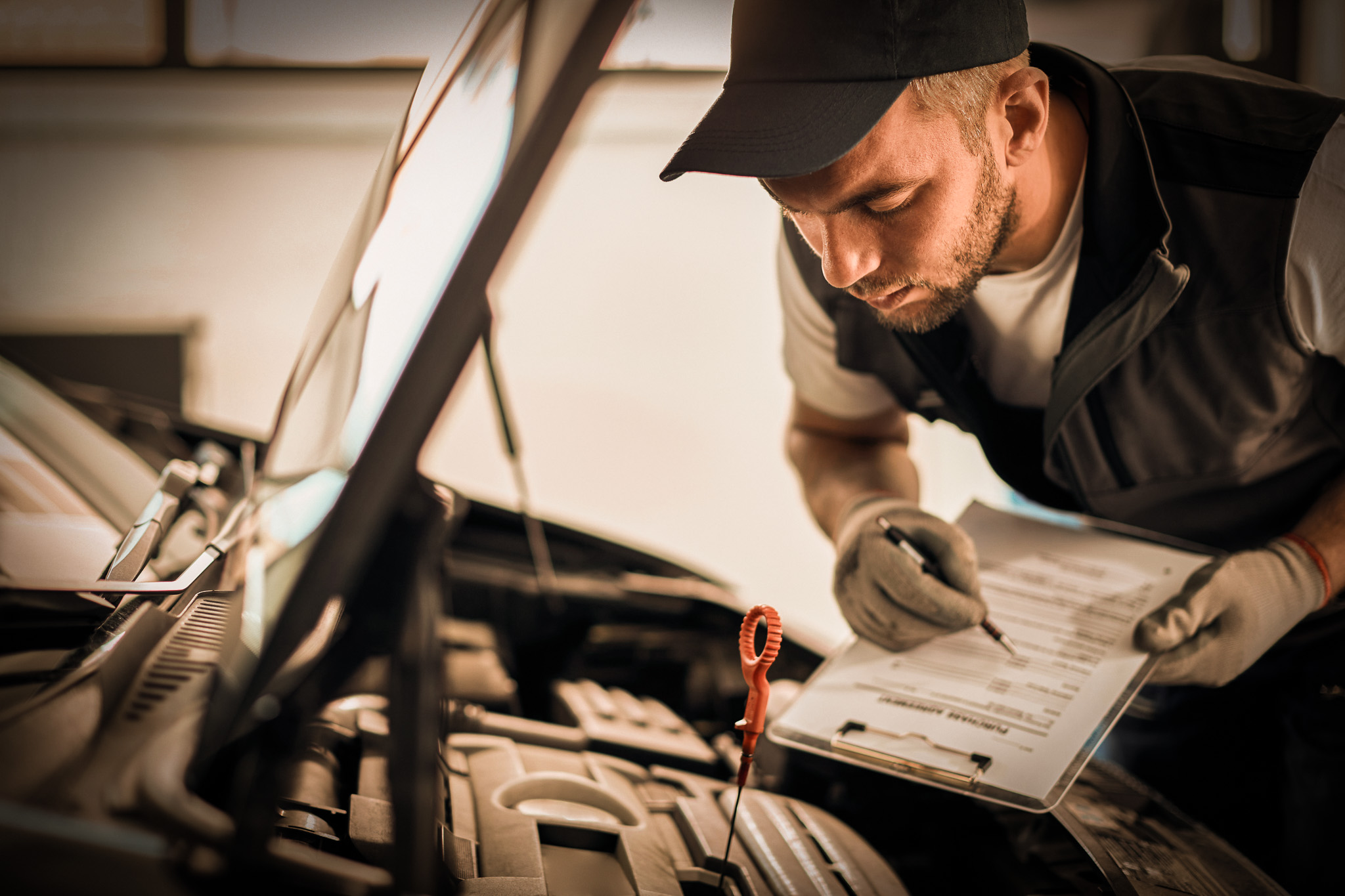

Why Coolant Testing Should Be Part of Preventive Maintenance
A cooling system can look perfectly normal right up until it isn’t. The reservoir may have enough fluid, there may be no obvious leak, and the engine may still be running at its usual temperature.
That doesn’t necessarily mean the coolant is in good condition.
Coolant spends its working life dealing with heat, pressure, repeated temperature changes, and contact with cooling system components. Over time, its condition can change. Some problems may not be visible during a routine visual inspection, which is where coolant testing becomes useful.
Testing gives maintenance teams more information about what’s happening inside the cooling system instead of relying only on appearance or assumptions.
For equipment that needs to stay in service, that information can become an important part of preventive maintenance.
Overview
- Coolant testing can reveal problems that aren’t obvious from appearance or fluid level alone.
- Regular testing helps maintenance teams monitor cooling system health over time.
- Coolant condition can change with operating hours, temperature cycles, and contamination.
- Testing can help identify whether coolant remains suitable for continued service.
- Preventive maintenance works better when coolant checks are part of the regular schedule.
- Early attention to coolant problems can help reduce unexpected cooling system downtime.
Coolant Can Change Without Looking Bad
One of the easiest mistakes in coolant maintenance is judging the fluid entirely by its appearance.
A coolant can look clean and still require attention. Its protective properties may change over time depending on the formulation, operating conditions, service interval, and amount of use.
That’s why a visual inspection should be treated as one part of a larger maintenance process.
Condition of protective additives, when applicable testing is available:
- Changes in coolant concentration
- Loss of protective additives
- Contamination
- pH outside the expected range
- Potential corrosion-related concerns
- Conditions that may require further cooling system inspection
The exact tests required depend on the equipment, coolant technology, and manufacturer’s recommendations. The important point is that testing provides information that simply looking into the reservoir can’t provide.


Why Coolant Testing Matters for Cooling System Health
The condition of the coolant affects more than the fluid itself. It can also tell maintenance teams something about the environment inside the cooling system.
Good cooling system health depends on several things working together. The coolant needs to circulate properly, the radiator needs to transfer heat effectively, and components such as hoses, pumps, thermostats, and connections need to remain in good condition.
If testing shows that the coolant is outside the expected range, that’s an opportunity to investigate before a more serious problem develops.
For example, a change in coolant condition may prompt technicians to look more closely for contamination, leaks, corrosion, or incorrect coolant concentration.
Testing doesn’t replace a physical inspection. It gives the inspection more useful information.
Preventive Maintenance Is About Finding Problems Early
The basic idea behind preventive maintenance is simple: deal with potential problems before they become failures.
That approach makes sense for coolant because cooling system problems often become more serious when equipment is working under heavy loads.
A machine might operate normally during light use but begin running hotter during a long shift. If the cooling system already has a developing problem, additional heat and workload can expose it quickly.
Including coolant testing in a maintenance schedule gives technicians a chance to identify changes before the equipment reaches that point.
A practical schedule might combine coolant checks with other routine service activities, such as:
- Engine oil and filter service
- Cooling system inspections
- Hose and belt inspections
- Radiator and cooling package cleaning
- General fluid checks
- Scheduled equipment inspections
The exact timing should follow the equipment manufacturer’s recommendations and the conditions in which the machine operates.
What Coolant Testing Can Tell Maintenance Teams
Testing isn’t about generating numbers just for the sake of having them. The results should help answer a practical maintenance question: Is the coolant still suitable for the application, or does the system need attention?
Depending on the coolant and equipment, testing may provide information about concentration, freeze protection, chemical balance, or the condition of protective additives.
That information can help maintenance teams make better decisions about whether to continue using the coolant, service the system, investigate a problem, or replace the fluid.
Keeping records of test results can also be useful.
When results are tracked over time, technicians may be able to identify changes rather than looking at one isolated test. A gradual shift can sometimes be more informative than a single reading.
This is particularly useful for equipment with high operating hours.
Don't Use Testing as a Substitute for Inspection
Coolant testing is useful, but it isn’t a complete cooling system diagnosis.
Coolant testing cannot identify physical problems such as radiator airflow restrictions or deteriorated hoses. Those conditions still require inspection.
That’s why good cooling system health depends on combining different maintenance practices.
During routine service, technicians should still look for:
- Visible coolant leaks
- Damaged or deteriorating hoses
- Restricted radiator airflow
- Deposits around cooling system components
- Unusual operating temperatures
- Repeated coolant loss
If testing indicates that the coolant condition has changed, those inspections become even more relevant.
The strongest maintenance programs don’t rely on one check. They use several simple checks together to build a clearer picture of equipment condition.
Making Coolant Testing Part of the Routine
Testing is most useful when it becomes a normal part of maintenance rather than something done only after a cooling problem appears.
For fleets and equipment operators, that can mean establishing a consistent process for when coolant is checked, how results are recorded, and what action should follow an abnormal result.
Using clearly identified PRO X coolants can also help maintenance teams keep track of which coolant is being used in each application. The specific product should always match the equipment manufacturer’s requirements, and testing should follow the appropriate procedure for that coolant.
A consistent approach can help technicians avoid guesswork and make maintenance records easier to follow.
It also gives managers a better view of the condition of cooling systems across the fleet.

Better Coolant Information Supports Better Maintenance Decisions
A cooling system doesn’t always announce that something is wrong. Sometimes the first sign of trouble appears only when the equipment is operating under a heavy load or demanding conditions.
Coolant testing gives maintenance teams another way to monitor what’s happening before that point.
When combined with regular inspections and the appropriate preventive maintenance schedule, testing can provide a clearer picture of cooling system health and help identify conditions that deserve attention.
The goal isn’t to test coolant simply because testing is possible. It’s to use the information to make smarter maintenance decisions.
For equipment that needs to keep working, knowing the condition of the coolant before a cooling system problem develops is far more useful than discovering the problem after the temperature gauge has already started climbing.