
Specialty Oils and Their Role in Industrial Operations
Lubrication is a critical component in industrial operations, where precision, reliability, and cost-efficiency are non-negotiable. While conventional lubricants may suffice for basic applications, modern industries demand specialized solutions capable of handling extreme conditions, unique machinery, and rigorous operational cycles. This is the role of specialty oils.
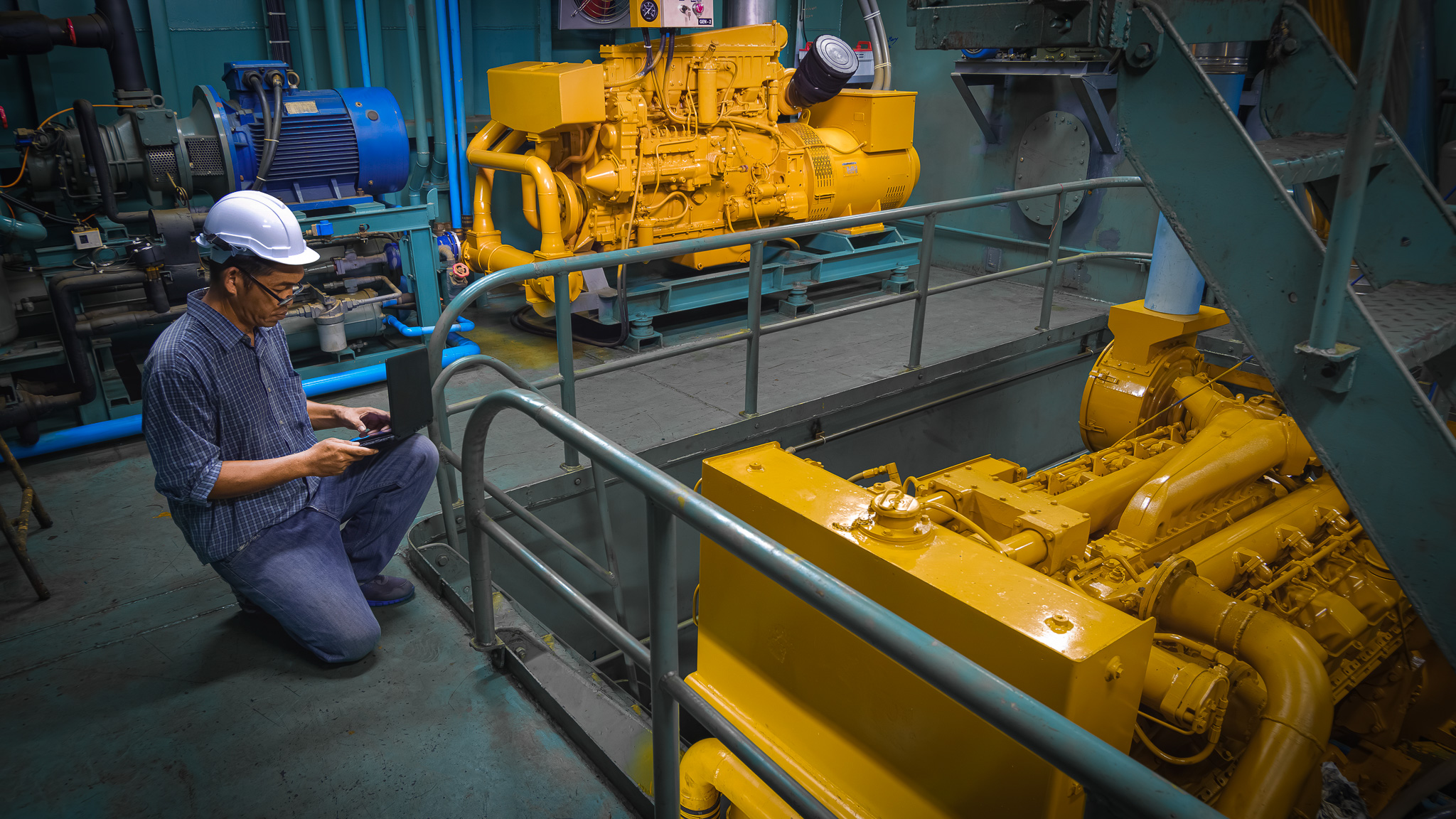
Specialty oils are engineered to meet specific performance requirements and operational demands. From reducing friction in high-load systems to maintaining stability under extreme temperatures, these oils are central to advanced industrial lubrication practices. Their adaptability ensures optimal performance in challenging environments, making them essential in operations where even minor inefficiencies can result in significant losses.
Why Specialty Oils Are Essential for Modern Industrial Machinery
Not all lubricants are engineered for the same purpose. Specialty oils are specifically formulated to address industrial challenges rather than serve general applications. These oils often incorporate advanced base oils combined with performance-enhancing additives, providing superior durability, stability, and wear resistance.
A key distinction is their ability to maintain consistent viscosity across a wide temperature range. This stability is essential in industrial settings where temperatures can fluctuate rapidly, ensuring uninterrupted lubrication. Additionally, specialty oils are designed to resist oxidation and chemical breakdown, supporting extended operational life.
Compatibility with specialized machinery is another critical factor. Modern equipment is highly precise, and the wrong lubricant can lead to inefficiencies or even mechanical damage. Consequently, industrial lubrication strategies increasingly rely on tailored oil solutions rather than generalized products.
Precision Lubrication for High-Performance Machinery
As industrial machinery becomes more advanced and subject to stricter operational demands, the need for precise and reliable lubrication systems has grown. Conventional methods are no longer sufficient to maintain high-performance equipment.
Effective industrial lubrication ensures that all moving components operate smoothly, even under continuous load. It reduces friction and overheating while minimizing the risk of mechanical failure. Achieving this performance requires more than simply applying any lubricant—it demands the correct formulation.
Specialty oils meet this need by offering solutions tailored to specific operating conditions. Whether dealing with high-speed rotation, heavy loads, or potential contaminants, these oils deliver consistent performance. This level of precision helps industries maintain productivity while reducing the likelihood of unexpected downtime.

Maximizing Industrial Efficiency Through Specialty Oils
The performance of industrial operations is closely tied to the efficiency of machinery. Even small improvements in lubrication can lead to measurable gains in productivity and energy savings. The right lubricant reduces internal resistance, allowing machines to operate smoothly. Specialty oils enhance this effect by maintaining a consistent lubricating film under varying conditions, ensuring reliable power transmission and minimizing energy loss.
Proper industrial lubrication also contributes to smoother and quieter operation. Reduced vibration not only improves working conditions but also indicates that machinery is performing optimally. Over time, this stability translates to higher-quality output and fewer operational disruptions.
Minimizing Wear and Protecting Critical Components
Wear and corrosion are common in industrial machinery, but proper lubrication can significantly reduce their impact. Friction between moving parts causes gradual material degradation, which can disrupt equipment performance.
Specialty oils act as a protective barrier, keeping surfaces separated and forming a thin anti-wear layer that reduces damage under high pressure. They also provide corrosion resistance, shielding components from moisture, chemicals, and contaminants, extending machinery life and reducing maintenance needs.
Handling Heat and Maintaining Operational Balance
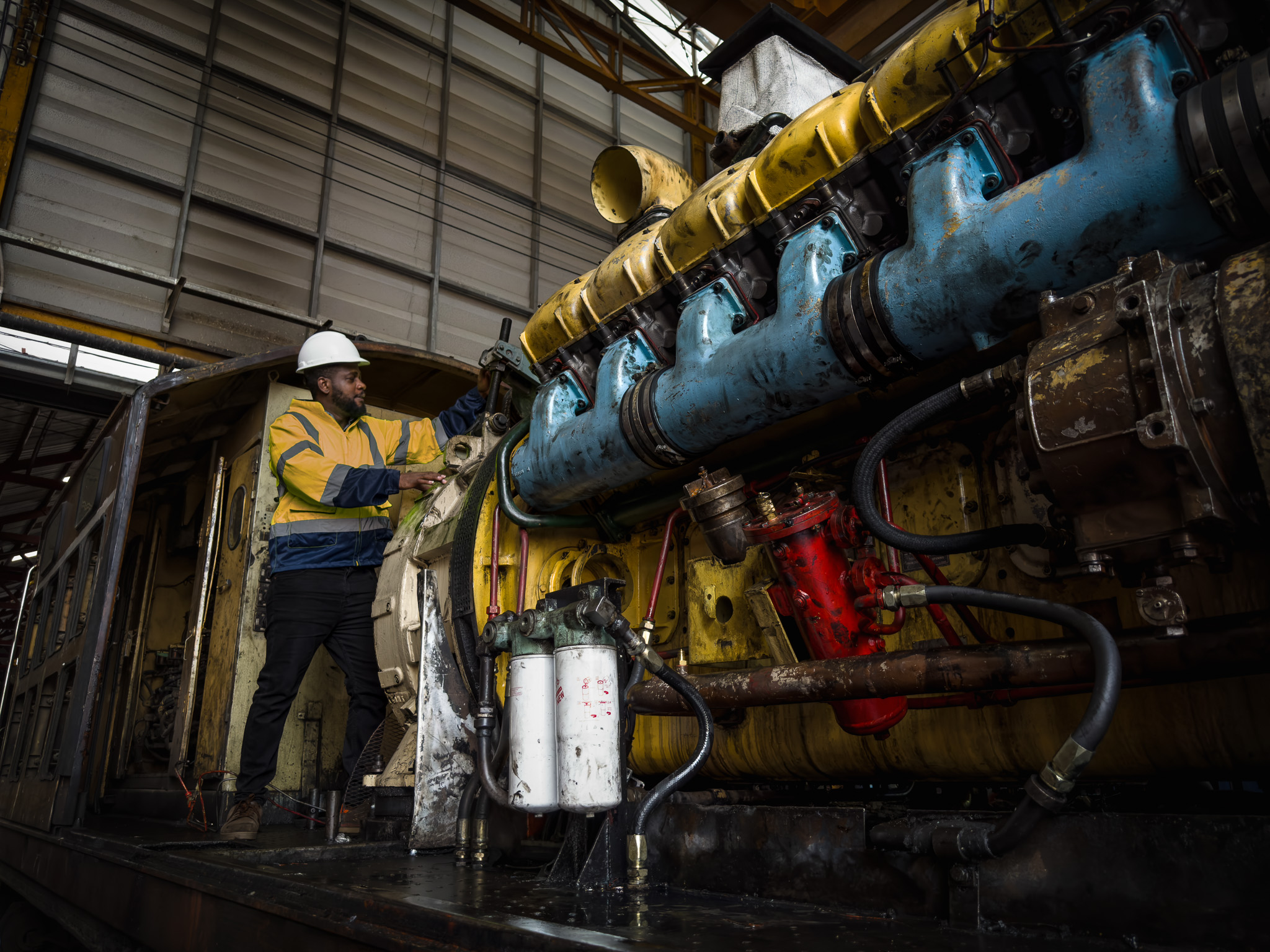
Heat is a major challenge in industrial operations. Friction and load generate thermal energy that must be managed to prevent equipment damage. Lubricants play a key role in absorbing and dissipating this heat. Specialty oils are engineered to remain stable at high temperatures, maintaining their lubricating properties without decomposing.
These oils are also oxidation-resistant, allowing extended use without harmful deposits. This thermal stability supports consistent machinery operation, prevents overheating, and enhances overall operational efficiency.

Where Specialty Oils Make the Biggest Impact
Specialty oils are used across a wide range of industries with unique operational demands. In manufacturing, they support precision machining and slow-speed production lines, ensuring consistent output quality.
In the energy sector, these oils are essential for turbines, compressors, and generators operating under continuous heavy loads, providing reliable long-term performance.
Industries such as food processing and pharmaceuticals require lubricants that meet strict safety and hygiene standards. Specialized formulations deliver both compliance and efficiency. Across all sectors, effective industrial lubrication is a key factor in maintaining consistent, reliable operations.

Improving Cost Efficiency
Downtime is a major challenge in industrial operations, often leading to costly repairs and production delays. Effective lubrication with specialty oils minimizes maintenance needs and extends service intervals, saving both time and operational costs. Consistent lubrication ensures reliable machinery performance, reduces unexpected failures, and supports long-term efficiency and profitability.