
Preparing Generators for Extreme Temperatures With Proper Coolant Protection
A standby generator can sit quietly for weeks or months, then suddenly become one of the most important pieces of equipment on a site.
When that happens during a heat wave or a freezing spell, there isn’t much room for a cooling system problem. The engine needs to start, reach operating temperature, and continue running reliably for as long as the power interruption lasts.
Extreme temperatures make that job harder.
Cold weather can expose weaknesses in freeze protection, while extreme heat places greater demands on the cooling system’s ability to remove engine heat. For facilities that depend on generators for backup or continuous power, coolant should therefore be treated as part of the equipment’s readiness strategy rather than just another service fluid.
Good power generation maintenance starts before the generator is needed. That includes checking coolant condition, inspecting the cooling system, and making sure the selected coolant is appropriate for the engine and operating environment.
Overview
- Extreme heat and cold can both put additional stress on generator cooling systems.
- Proper generator coolant helps manage engine temperature while protecting internal cooling system components.
- Freeze protection is especially important for standby generators that may sit unused until they’re urgently needed.
- Regular inspections and the right coolant can make power generation maintenance more predictable.
Extreme Temperatures Put Generator Cooling Systems to the Test
Generators don’t experience temperature extremes in exactly the same way as passenger vehicles.
A standby generator may remain stationary for long periods before being called into service. A prime or continuous-duty generator, meanwhile, may operate for extended periods under substantial load.
Both situations create different maintenance concerns.
In cold conditions, coolant needs to provide adequate protection against freezing. If coolant freezes inside the cooling system, expansion can damage components and potentially leave the generator unavailable when it is needed most.
Hot conditions create a different challenge. As engine temperature rises, the cooling system has to transfer heat efficiently while maintaining adequate protection for the components exposed to the coolant.
Maintenance teams should pay particular attention to:
- Ambient temperature and seasonal conditions.
- Generator operating hours and load.
- Coolant level and condition.
- Radiator cleanliness and airflow.
- Hoses, clamps, and connections.
- Signs of coolant leaks.
- The manufacturer’s coolant requirements.
A generator can be mechanically sound and still have a cooling system that isn’t ready for extreme operating conditions.


Why Generator Coolant Matters Before the Generator Starts
For a standby generator, coolant protection matters even when the engine isn’t running.
That’s because the cooling system remains exposed to the surrounding environment while the generator is sitting idle. If temperatures fall far enough, inadequate coolant protection can become a serious problem before the engine ever gets the chance to start.
This makes generator coolant an important part of standby equipment preparation.
The coolant needs to provide more than basic temperature control. Depending on the product and application, it may also provide protection against corrosion and other forms of cooling system damage.
Before extreme weather arrives, maintenance teams can check:
- Coolant level against the manufacturer’s recommended range.
- Coolant condition and appearance.
- Protection level where applicable.
- Evidence of leaks around the engine and radiator.
- Hoses and connections for deterioration.
- Radiator and cooling package condition.
A small amount of preparation can prevent a much bigger problem when an emergency power system is finally called upon.
Freeze Protection Is Critical During Cold Weather
Cold weather creates a particular concern for generators because a standby unit may not operate frequently enough for problems to reveal themselves during normal use.
If the coolant mixture doesn’t provide sufficient freeze protection, freezing temperatures can put the cooling system at risk. The problem isn’t limited to the coolant itself. Expansion during freezing can place stress on cooling system components.
That is why coolant selection should be based on the expected operating environment and the generator manufacturer’s requirements rather than simply choosing a product because it is already available.
For facilities operating generators in colder climates, winter preparation can include:
- Checking the coolant’s specified freeze protection range.
- Inspecting the system for leaks before temperatures drop.
- Confirming that the coolant is suitable for the generator.
- Checking hoses and connections for existing weaknesses.
- Following the manufacturer’s recommended service intervals.
- Keeping the generator area protected from unnecessary exposure where appropriate.
Coolant condition can change over time as protective additives become depleted or contamination occurs. Freeze protection can also change if the coolant mixture becomes diluted.
Managing Heat When Generator Loads Increase
Cold weather gets plenty of attention when people discuss coolant protection, but extreme heat deserves the same level of planning.
A generator operating during a power outage may run continuously for hours. If the ambient temperature is already high, the cooling system has less margin for managing additional engine heat.
This is where the cooling system condition becomes particularly important.
A dirty radiator, restricted airflow, low coolant level, or failing component can make it harder for the system to control engine temperature. The generator may continue operating under normal conditions but struggle when both ambient temperature and engine load increase.
During hot-weather preparation, maintenance teams should look closely at:
- Radiator fins and airflow.
- Coolant level and condition.
- Fan operation.
- Belts and related components.
- Hoses and clamps.
- Signs of leaks or residue.
- Engine temperature during operational testing.
The coolant is only one part of the system. It works alongside the radiator, water pump, thermostat, fan, and other components to keep the engine within its intended operating range.
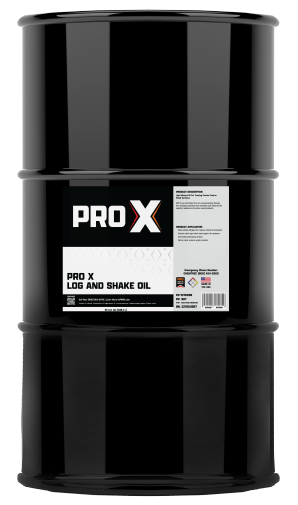
PRO X HD Universal 50/50 A/F Gold for Generator Applications
For operations looking for a premixed coolant option for suitable applications, PRO X HD Universal 50/50 A/F Gold is a heavy-duty nitrite-free OAT coolant developed for extended fluid life.
PRO X lists the coolant for a range of applications, including continuous-duty and standby generator sets. The formulation is designed to provide freeze and boilover protection, corrosion protection, and diesel engine liner pitting protection in compatible applications.
Its 50/50 premixed format can also make routine service more straightforward because the coolant is supplied ready for use rather than requiring technicians to prepare the mixture on site.
The product is designed around several practical cooling-system concerns:
- Freeze protection for cold operating conditions.
- Boilover protection for high-temperature operation.
- Corrosion protection for wetted cooling system surfaces.
- Liner pitting protection for applicable diesel engines.
- Silicate-free formulation designed for compatible cooling-system applications.
- Reduced maintenance associated with regular SCA additions.
For generator operators, these characteristics can be useful when building a coolant strategy around both standby readiness and demanding operating conditions. As with any coolant, the product should be matched to the generator manufacturer’s requirements before use.
Make Coolant Checks Part of Power Generation Maintenance
Coolant shouldn’t only be checked when a generator is due for a major service.
For standby equipment, regular inspections provide an opportunity to identify problems while there is still time to correct them. That’s especially important before periods of extreme weather when the generator may be more likely to operate for extended periods.
A practical maintenance routine can include:
- Checking coolant levels during scheduled inspections.
- Inspecting for visible leaks.
- Reviewing coolant condition according to the manufacturer’s maintenance procedure.
- Checking radiator cleanliness and airflow.
- Inspecting hoses, clamps, belts, and related components.
- Running the generator under appropriate test conditions.
- Recording coolant service and inspection results.
The records matter, too. If different technicians are responsible for the same equipment over time, a clear service history makes it easier to determine when coolant was changed, what was used, and whether recurring problems have been identified.
That kind of consistency is particularly valuable in facilities with multiple generators.

Keep Generators Ready Before Extreme Weather Arrives
A generator is supposed to provide confidence when normal power isn’t available. That confidence becomes difficult to maintain if basic cooling system protection has been overlooked.
Extreme heat and cold can expose weaknesses that aren’t obvious during mild weather. Proper generator coolant, adequate freeze protection, and routine power generation maintenance can help reduce those risks before the equipment is called into service.
The best time to discover a coolant problem isn’t during a power outage. It’s during a scheduled inspection when the maintenance team still has time to investigate, repair, and prepare the generator properly.
For facilities that depend on standby or continuous-duty generators, treating coolant protection as part of overall equipment readiness is a simple step that can make extreme-temperature operation much more manageable.