
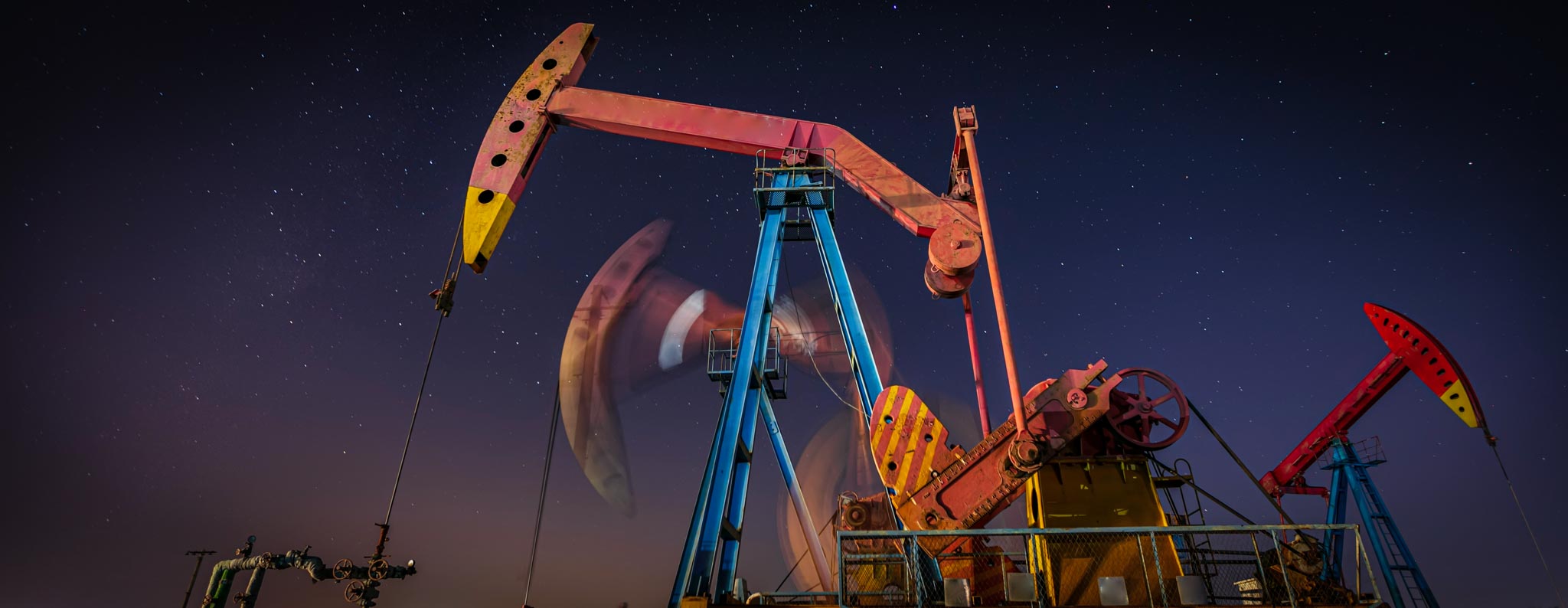
Lubricants Designed for Oil and Gas Environments
The oil and gas industry subjects equipment to some of the most demanding conditions. Whether underground drilling exposes machinery to extreme pressure, heat, and harsh chemicals, or offshore operations contend with unpredictable weather, there is little room for error.
In these circumstances, lubrication is not merely a support mechanism—it is a critical component that ensures operations run smoothly. When issues arise, even minor ones can cause costly delays, and maintenance is often complex and time-sensitive.
For this reason, selecting the proper oil and gas lubricants and relying on long-life specialty industrial oils is crucial. Effective lubrication not only keeps individual components moving but also ensures the overall processes maintain consistent performance.
Why Standard Lubricants Fall Short in Oil and Gas
It may seem that any high-quality oil will suffice, but the oil and gas industry presents far more demanding conditions. Equipment rarely operates under consistent, predictable circumstances; instead, it constantly adjusts to fluctuations in temperature, pressure, and exposure to harsh substances—challenges that would be minor in other sectors.
Standard lubricants often break down under these extreme conditions. They may degrade too quickly, become sticky, or fail to provide uniform protection. These failures often begin subtly, but over time, they can lead to reduced performance, accelerated wear, and ultimately, unexpected downtime.
Contamination is another critical concern. Lubricants in oil and gas applications are frequently exposed to water, gases, and fine particles. Ordinary oils are not formulated to withstand such challenges, and once contaminated, they lose effectiveness rapidly. When this happens, lubricants can no longer fulfill their primary role: protecting equipment and ensuring consistent operation.
The Challenges Equipment Faces in Harsh Environments
Oil and gas operations are not only demanding but also highly unpredictable. Equipment may experience extreme pressure one moment and sudden temperature fluctuations the next. Add exposure to water, chemicals, and abrasive particles, and it becomes clear why lubrication must be exceptionally reliable.
Common challenges include:
- Extreme temperatures, both high and low
- Continuous operation with minimal downtime
- Exposure to moisture, salt, or corrosive substances
- Heavy mechanical loads and pressure
Lubricants designed for the oil and gas industry must perform consistently under these conditions without failing. Specialty industrial oils help maintain system balance, even under unfavorable circumstances. Without these advanced solutions, equipment would require constant maintenance, reducing operational efficiency and increasing the risk of downtime.
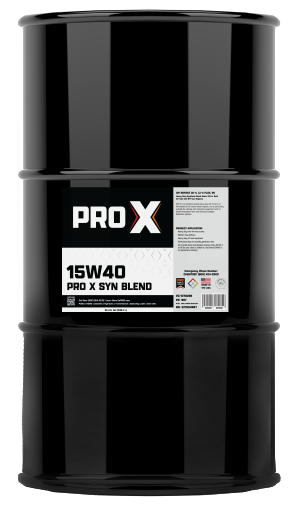
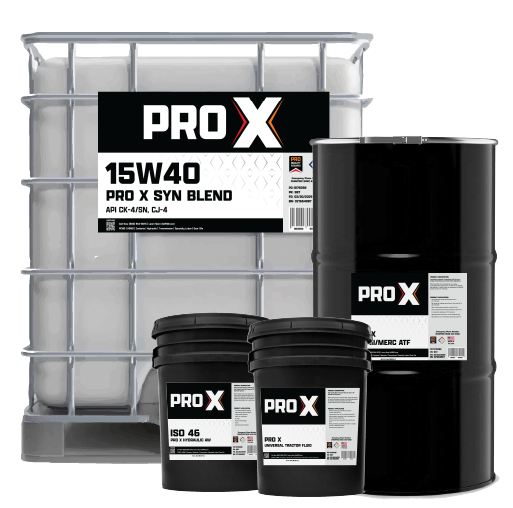

How Specialty Industrial Oils Improve System Stability
Stability is a primary reason specialty industrial oils are essential in oil and gas operations. In environments where equipment is under constant stress, consistent performance can make a significant difference.
These oils are formulated to maintain their properties over time. They resist excessive evaporation under heat and avoid excessive thickening in cold conditions. This uniformity ensures that systems operate smoothly—gears function correctly, hydraulic systems perform reliably, and engines are not overworked unnecessarily.
Reliable lubricants also help maintain predictable machine performance, which is crucial in operations that depend on precision and timing. While this stability may not be immediately noticeable, over time it becomes one of the most valuable benefits, supporting efficiency, reliability, and reduced maintenance needs.
Benefits of High-Quality Lubricants
The benefits of the right lubricants may not be immediate, but they are clear over time. Key advantages include:
- Reduced wear on critical components
- Greater resistance to heat and pressure
- Longer maintenance intervals
- Improved equipment efficiency
High-quality lubricants keep machinery running smoothly under full load, while specialty industrial oils help prevent unexpected issues, supporting consistent productivity.
Reducing Equipment Wear and Extending Service Life
Wear is inevitable in demanding operations, but proper lubrication can slow it significantly. Reliable lubricants create a protective layer between surfaces, reducing direct contact and wear. Specialty industrial oils often include corrosion and oxidation inhibitors, providing extra protection in areas exposed to moisture or chemicals.
Extending equipment life not only reduces costs but also minimizes the downtime and disruptions associated with repairs and replacements.

Managing Heat, Pressure, and Continuous Operation
Oil and gas operations place equipment under extreme heat and pressure, with machines often running long hours without rest. High-quality lubricants help control this stress by absorbing and distributing heat, preventing it from concentrating in critical areas.
Specialty industrial oils also maintain pressure balance within systems, particularly in hydraulics, ensuring smooth and consistent performance even under heavy loads. Proper lubrication helps prevent premature wear, reduces the risk of breakdowns, and minimizes maintenance requirements, keeping operations running efficiently.

Choosing the Right Lubricants
Not all equipment requires the same lubricant—drilling systems, compressors, pumps, and pipelines each have unique demands. Choosing the right oil and gas lubricants means matching the product to the application. Key factors include:
- Operating temperature and pressure
- Equipment type and workload
- Exposure to contaminants or moisture
- Manufacturer recommendations
Specialty industrial oils ensure systems operate as intended, preventing issues that may not be immediately apparent. In oil and gas operations, where reliability is critical, lubrication works quietly in the background to keep machinery durable, reduce downtime, and maintain performance. The focus is simple: use the right lubricant at the right time.
