

Industry Compliance with PRO X GF-7 10W30 Engine Oil
Engine oil has changed just as much as the vehicles it protects. Years ago, drivers mainly looked at viscosity before buying oil. Today, that isn’t enough. Modern gasoline engines are built with tighter tolerances, advanced fuel systems, turbochargers, and sophisticated emissions-control technologies. These engines demand a lubricant that does far more than reduce friction.
That’s where PRO X GF-7 10W30 comes in. Designed to meet the latest API GF-7 performance requirements, it delivers dependable engine protection while supporting cleaner operation and improved efficiency. More importantly, it performs the role expected from a modern engine oil, helping today’s engines maintain the performance and environmental compliance they were engineered to achieve.
Why Industry Standards Continue to Evolve
The automotive industry never stands still. Every new generation of vehicles is expected to produce lower emissions, consume less fuel, and deliver better performance than the one before it. Manufacturers have responded by introducing lighter engine components, direct fuel injection, and turbocharged powertrains that extract more power from smaller engines.
These advances also increase the demands placed on engine oil. A lubricant must continue protecting engine components under higher temperatures and heavier loads while remaining compatible with modern emissions-control systems.
Today’s engine oils are expected to:
- Reduce friction between moving components
- Control sludge and harmful deposits
- Protect timing chains against wear
- Support fuel-efficient engine operation
- Maintain stable performance in hot and cold conditions
Meeting recognized industry standards ensures the lubricant has been developed to handle these responsibilities without compromising engine reliability.
What API GF-7 Brings to Modern Engines
Every new oil specification is introduced for a reason. In the case of API GF-7, the objective is simple: provide stronger protection for modern gasoline engines while supporting cleaner, more efficient operation.
Compared with earlier standards, API GF-7 focuses on several important improvements:
- Better resistance to oxidation and oil breakdown
- Improved protection against sludge formation
- Enhanced timing chain wear protection
- Greater fuel economy performance
- Improved defense against low-speed pre-ignition (LSPI)
These improvements aren’t just laboratory achievements. They address real-world issues that drivers face every day, particularly in turbocharged and direct-injection engines where operating conditions are more demanding than ever.
Choosing an oil that satisfies API GF-7 requirements means choosing a lubricant developed for current engine technology instead of relying on older formulations designed around yesterday’s vehicles.
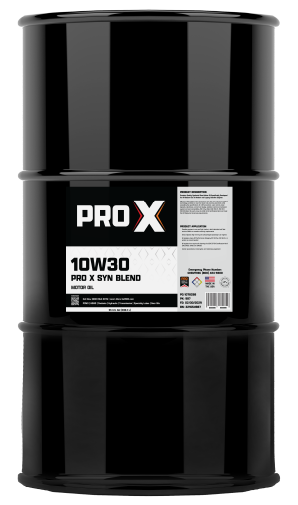


How PRO X GF-7 10W30 Helps Maintain Industry Compliance
Engine compliance isn’t determined only when a vehicle leaves the factory. It also depends on how well the engine is maintained throughout its life.
Using PRO X GF-7 10W30 helps support that objective by delivering consistent lubrication across a wide range of driving conditions. Its formulation is designed to minimize harmful deposits, maintain viscosity stability, and reduce wear on critical engine components.
When oil remains stable, the engine can operate more efficiently. Cleaner internal parts promote smoother combustion, while reliable lubrication reduces unnecessary friction between moving components. Together, these factors contribute to steady performance throughout the recommended service interval.
Drivers often overlook the contribution engine oil makes to vehicle efficiency. In reality, selecting the right lubricant is one of the simplest ways to help modern engines continue operating as their manufacturers intended.
Why an Emissions Standards Oil Makes a Difference
Many drivers assume emissions compliance depends entirely on catalytic converters or exhaust systems. Those components certainly play an important role, but they aren’t working alone. Engine oil directly affects combustion efficiency, internal cleanliness, and the overall condition of emissions-related components.
A quality emissions standard oil helps reduce deposit formation inside the engine, allowing fuel to burn more efficiently and helping sensitive systems continue performing properly.
It also contributes to the protection of important components such as:
- Catalytic converters
- Oxygen sensors
- Turbochargers
- Variable valve timing systems
- Timing chains
Keeping these components cleaner doesn’t simply improve reliability. It also allows modern vehicles to continue meeting the performance expectations established by manufacturers while supporting lower emissions during everyday driving.

Long-Term Protection That Goes Beyond Compliance
Meeting industry standards is important, but drivers also expect long-term value from the lubricant they choose. Engine oil remains in continuous contact with vital components, so its quality has a direct influence on reliability over thousands of miles.
PRO X GF-7 10W30 helps reduce sludge, varnish, and carbon deposits that naturally develop inside an operating engine. Cleaner components experience less resistance, allowing moving parts to function more efficiently while placing less strain on the lubrication system.
Its advanced additive technology also helps maintain a durable protective film between metal surfaces. Whether the vehicle is navigating city traffic, traveling on highways, or carrying heavier loads, that protective layer helps minimize wear and supports smoother operation.
Another important advantage is oxidation resistance. High temperatures gradually break down engine oil, reducing its ability to lubricate effectively. By resisting thermal degradation, PRO X GF-7 10W30 maintains its protective properties for longer, helping drivers get dependable performance throughout the recommended oil change interval.
The balanced 10W30 viscosity further supports reliable cold starts while continuing to provide strong protection after the engine reaches normal operating temperature. That combination gives drivers confidence in a wide variety of climates and driving conditions.
Choosing an Engine Oil That Matches Today's Technology
Viscosity remains important, but it shouldn’t be the only factor when selecting engine oil. Modern vehicles are designed around specific performance standards, and using a lubricant that meets those requirements helps preserve both efficiency and durability.
Before purchasing engine oil, it is worth checking:
- The manufacturer’s recommended API specification
- The correct viscosity grade
- Typical driving conditions
- Climate and seasonal temperatures
- Engine design and vehicle age
Selecting PRO X GF-7 10W30 means choosing an oil developed to meet the needs of today’s gasoline engines while supporting cleaner operation and dependable protection. Drivers looking for complete vehicle maintenance can also explore the automotive engine oil range to ensure every major system receives the care it deserves.

Meeting Tomorrow's Standards Starts Today
Vehicle technology will continue to evolve, and engine oils must evolve alongside it. As manufacturers pursue lower emissions, higher fuel efficiency, and greater engine performance, the lubricant protecting those engines becomes even more important.
PRO X GF-7 10W30 has been formulated with these changing demands in mind. Meeting the latest API GF-7 requirements, it delivers reliable wear protection, helps maintain cleaner engine operation, and supports the emissions-control technologies found in modern gasoline vehicles. As a trusted emissions standards oil, it gives drivers confidence that their engines are receiving protection designed for today’s roads and tomorrow’s expectations.
Whether you’re maintaining a family car or managing a fleet of vehicles, choosing the right engine oil is a practical investment in performance, reliability, and long-term compliance.