
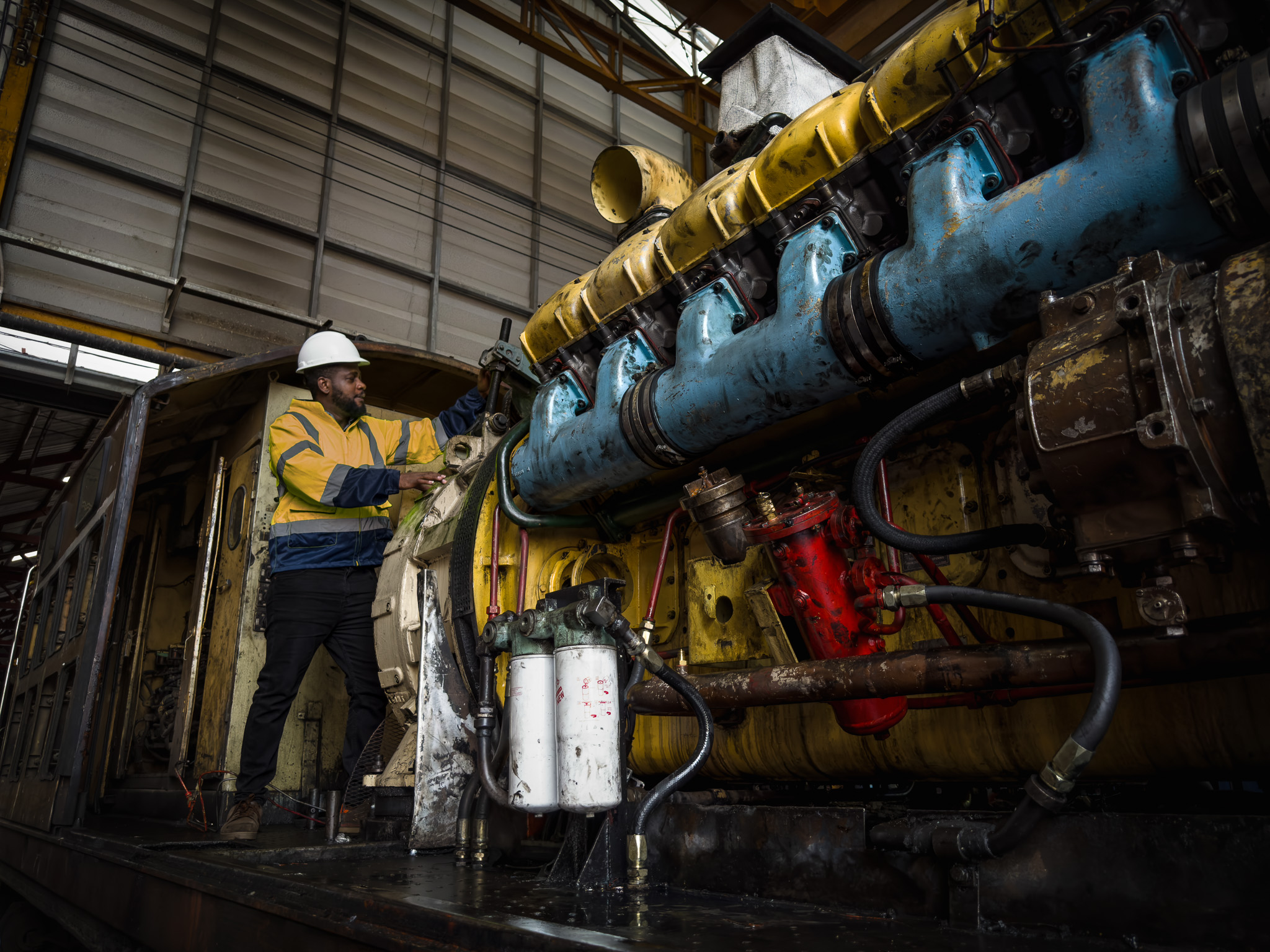
Hydraulic System Reliability with PRO X Premium Hydraulic AW 32
Walk through any workshop or production facility and you’ll probably notice something interesting. The hydraulic equipment that gets the least attention is usually the equipment doing its job properly. Lifts move without hesitation, presses cycle smoothly, and compact machines respond exactly the way operators expect. Because everything works, nobody stops to think about the hydraulic system.
That usually changes when performance begins to drift.
A lift may take a little longer to reach full height. A machine might feel slower after running for several hours. The pump could become noisier than it was a few months ago. None of these signs point to immediate failure, but they often indicate that the system is no longer operating under the same conditions it once did.
Hydraulic oil is part of that picture. It transfers power, lubricates moving parts, dissipates heat, and helps protect the system from unnecessary wear. When the fluid remains in good condition, the equipment often feels the same on Friday afternoon as it did on Monday morning.
For businesses operating light-duty hydraulics, choosing a dependable product such as PRO X Premium Hydraulic AW 32 is one practical step toward maintaining that consistency.
The Fluid Does More Work Than Most People Realize
Ask someone what hydraulic oil does, and the first answer is usually “it powers the system.” That is true, but it is only part of the story.
Every time the equipment operates, the oil is performing several jobs at once. It moves pressure through the system, keeps internal components lubricated, carries heat away from the pump, and transports tiny particles toward the filter.
If one of those jobs becomes less effective, the rest of the system often feels the impact.
That’s why experienced maintenance technicians rarely think of hydraulic oil as something that simply fills a reservoir. They see it as a working component of the machine.
A quality hydraulic oil contributes to:
- Consistent pressure throughout the system
- Smooth movement during repeated operating cycles
- Lubrication of internal components
- Better heat management
- Predictable equipment response
For operators using PRO X Premium Hydraulic AW 32, these everyday functions are what keep hydraulic systems operating normally shift after shift.
Most Hydraulic Problems Start Quietly
Very few pumps fail without warning.
More often, the system gives small clues that something has changed. The challenge is that those clues are easy to overlook when production schedules are busy. The machine still works. It still finishes the job. It just doesn’t feel quite the same.
Operators sometimes notice:
- Slight delays during startup
- More pump noise than usual
- Increased operating temperature
- Slower hydraulic movement
- Small changes in cycle time
None of these symptoms automatically mean the equipment needs major repairs.
Sometimes they simply indicate that the system deserves a closer inspection.
Keeping fresh, high-quality hydraulic oil in the system is one part of reducing the conditions that allow gradual wear to build over time.
For many maintenance teams, consistency matters more than chasing dramatic improvements. They simply want equipment that behaves the same way today as it did last month.
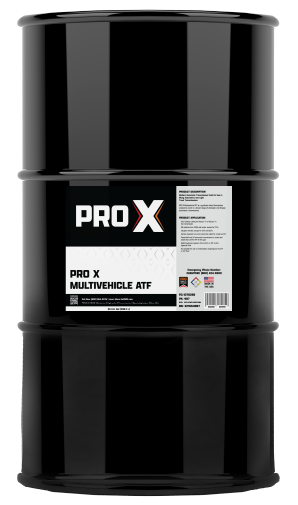


Clean Oil Usually Means Fewer Surprises
Hydraulic systems are surprisingly sensitive to contamination.
Tiny particles that seem harmless almost anywhere else can create problems once they begin circulating through pumps and valves.
Dust, moisture, worn metal particles, and debris eventually find their way into nearly every hydraulic system. That doesn’t necessarily mean failure is around the corner, but it does mean cleanliness becomes part of routine maintenance.
Simple habits often make the biggest difference.
For example:
- Store new oil in clean, sealed containers.
- Wipe around filler caps before opening reservoirs.
- Use dedicated transfer equipment whenever possible.
- Replace filters according to the manufacturer’s schedule.
- Investigate leaks instead of simply topping up the reservoir.
None of these tasks takes very long.
Together, they help maintain a cleaner hydraulic system that is easier to maintain over the long term.
Using PRO X Premium Hydraulic AW 32 alongside good maintenance practices helps keep the focus where it belongs, on keeping equipment working rather than constantly fixing avoidable problems.
Heat Is Part of Every Working Day
Hydraulic equipment generates heat every time it operates.
That isn’t unusual. It is simply part of transferring power through fluid under pressure.
Problems usually appear when heat begins building faster than the system can manage it.
As temperatures rise, both the equipment and the oil experience additional stress. Components expand, pumps work harder, and fluid is asked to perform under increasingly demanding conditions.
Over long operating periods, that can affect:
- Lubrication quality
- System efficiency
- Pump performance
- Component life
- Maintenance frequency
Good hydraulic oil cannot eliminate heat, but it can continue performing under conditions where temperature naturally changes throughout the working day.
This becomes particularly important for light-duty hydraulics that operate continuously rather than sitting idle between short jobs.
Maintaining stable fluid performance often makes equipment feel more predictable throughout an entire shift instead of only during the first few hours of operation.
One Product, One Routine, Less Confusion
Anyone responsible for maintaining several machines knows how quickly product inventories can grow.
- Different oils
- Different greases
- Different coolants
- Different service intervals
Whenever maintenance can be simplified without compromising equipment requirements, workshops usually benefit.
Standardizing compatible products makes it easier to train technicians, organize inventory, and maintain consistent servicing procedures.
Standardizing products can provide advantages such as:
- Simpler stock management
- Faster servicing
- Clearer maintenance procedures
- Better product availability
- Reduced workshop confusion
That doesn’t replace manufacturer recommendations, but it does make everyday maintenance easier where compatible applications exist.
Many businesses reviewing their broader lubrication program also explore transmission fluids alongside hydraulic products to keep maintenance procedures consistent across different pieces of equipment.
Good Maintenance Is Usually Uneventful
People often remember major breakdowns because they interrupt production. Routine maintenance is different. When it’s done properly, nothing dramatic happens. The equipment starts every morning. Hydraulic movement stays smooth. The pump sounds the same week after week. Technicians finish scheduled servicing without discovering unexpected surprises.
That kind of reliability is rarely the result of luck. It comes from paying attention to the smaller details that often go unnoticed. Checking fluid condition. Replacing filters. Watching operating temperatures. Using the correct hydraulic oil.
These habits are not complicated, but together they create a maintenance program that is easier to manage and more predictable over time.

Reliability Is Built One Service at a Time
There is no single product that guarantees a hydraulic system will never require repairs.
Every machine experiences wear, every fluid eventually reaches the end of its service life, and every maintenance program requires attention.
The goal is not perfection. The goal is consistency.
PRO X Premium Hydraulic AW 32 is designed for operators who want hydraulic systems to perform the same way tomorrow as they do today. When paired with routine inspections, clean maintenance practices, and timely servicing, it becomes part of a practical approach to equipment care rather than simply another item on the workshop shelf.
For businesses relying on light-duty hydraulics, dependable performance usually comes from small decisions repeated over time. Choosing quality hydraulic oil, keeping the system clean, and following a consistent maintenance routine may not seem remarkable on any given day, but over months and years, those habits often make the difference between equipment that is dependable and equipment that constantly demands attention.