

How to Choose the Right Motor Oil Viscosity for Your Vehicle
Selecting the right engine oil involves more than choosing a brand or price point. One of the most important factors in lubrication is motor oil viscosity. Viscosity determines how easily oil flows at different temperatures and how effectively it protects engine components under load.
Using the wrong oil can lead to increased engine wear, reduced fuel efficiency, poor cold-start performance, and long-term mechanical damage. Modern engines operate with extremely tight tolerances and depend on the correct viscosity to maintain reliable performance.
Understanding how viscosity works, how oil grades are defined by manufacturers, and how driving conditions affect lubrication performance helps vehicle owners make more informed maintenance decisions.
What Motor Oil Viscosity Actually Means
Viscosity measures an oil’s resistance to flow. Oils with higher viscosity flow more slowly, while lower-viscosity oils move more easily. Engine oil must be light enough to circulate quickly during engine startup, yet thick enough to maintain a protective film between moving components once the engine reaches operating temperature.
Most modern motor oils are multi-grade oils, such as 5W-30 or 10W-40. The first number, followed by the “W” (winter), represents the oil’s performance in colder temperatures. The second number indicates the oil’s viscosity at normal engine operating temperature.
Lower winter ratings improve cold-start flow, while higher operating-temperature ratings provide stronger protection under heat and load. Selecting the correct viscosity helps maintain consistent lubrication across temperature changes, preventing metal-to-metal contact during startup and maintaining a durable protective film during operation.
Why Manufacturers Specify Exact Viscosity Grades
ehicle manufacturers design engines with precise bearing clearances, oil pump capacities, and thermal tolerances. These engineering factors determine the required engine oil viscosity for proper lubrication and performance. Recommended SAE grades—such as 0W-20, 5W-30, or 10W-40—are typically listed in the vehicle owner’s manual and should guide oil selection.
Manufacturer recommendations are based on several key factors:
Engine design tolerances
Expected operating temperatures
Emissions system compatibility
Fuel efficiency targets
Using oil outside the recommended viscosity range can reduce lubrication performance and may affect warranty coverage. When selecting engine oil, the manufacturer’s specified viscosity grade should always serve as the primary guideline.
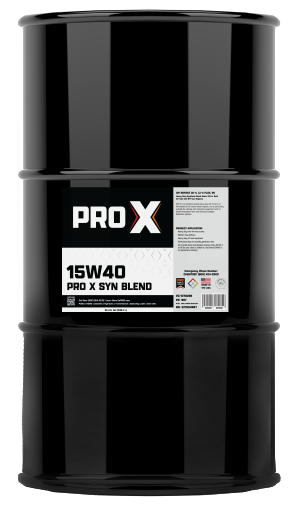


Climate and Temperature Considerations
Ambient temperature plays an important role in selecting the proper oil viscosity. In colder conditions, oil thickens more quickly and may take longer to circulate during engine startup. In hotter climates, oil can thin more rapidly, which may reduce the strength of the protective lubrication film.
Choosing the correct motor oil viscosity requires matching oil performance to local temperature conditions. Lower winter grades, such as 0W-20 or 5W-30, improve cold-start lubrication in colder regions. In hotter environments, slightly higher operating-temperature viscosity grades may provide stronger protection under sustained heat.
When selecting engine oil, drivers should consider:
Typical winter temperatures
Average summer heat
Seasonal temperature variations
Selecting an oil viscosity suited to local climate conditions helps maintain consistent lubrication throughout the year.
Driving Habits and Engine Load
Vehicles operate under a wide range of conditions, and different driving patterns place varying levels of stress on the engine. Stop-and-go traffic, highway driving, towing, and high-performance operation all influence engine load and operating temperature. Under heavy-load conditions—such as towing or driving in mountainous terrain—maintaining stable oil viscosity becomes especially important.
While manufacturer recommendations remain the primary guideline, driving intensity can influence whether higher-performance oil formulations or specific viscosity grades provide additional protection.
Understanding the relationship between driving conditions and oil performance helps refine viscosity selection for reliable engine operation.

Synthetic vs Conventional Oil and Viscosity Stability
Synthetic motor oils offer advantages in modern engines due to their stability across a wide range of operating temperatures. These formulations are designed to resist oxidation and maintain consistent viscosity under pressure, helping ensure reliable lubrication during demanding operating conditions.
Synthetic oils are often beneficial for vehicles that experience significant temperature variation, as they provide improved cold-flow performance and maintain viscosity stability during high-temperature operation compared to conventional oils.
However, selecting the correct SAE viscosity grade remains the most important factor. Whether using synthetic or conventional oil, the product must meet the manufacturer’s specified viscosity requirements. Advanced synthetic formulations can enhance performance, but proper viscosity selection should always guide engine oil choice.

API, ILSAC, and Industry Standards
These standards evaluate critical performance factors such as wear protection, oxidation resistance, deposit control, and compatibility with modern engine systems. When selecting engine oil, it is important to confirm that the product meets the API, ILSAC, or ACEA specifications recommended by the vehicle manufacturer.
Proper certification helps ensure the oil performs reliably with components such as catalytic converters, turbochargers, and other advanced engine systems. Viscosity alone is not enough—certified performance standards verify overall oil quality and compatibility.

Common Mistakes in Viscosity Selection
Many drivers assume that thicker oil always provides better protection. While higher-viscosity oils can offer stronger film strength at elevated temperatures, they may also restrict flow during cold starts, reducing lubrication when the engine needs it most.
Using the wrong motor oil viscosity can reduce fuel efficiency and increase engine wear. Proper engine oil selection balances oil flow and film strength while aligning with the engine’s design specifications and operating conditions.