

How Quality Hydraulic Fluids Can Reduce Pump Wear and Downtime
Hydraulic systems are designed to operate under constant pressure in industrial applications. Pumps must withstand continuous operation, heavy loads, and repeated duty cycles, placing ongoing stress on internal components. These systems are essential to overall operations, and even minor performance variations can impact productivity and maintenance planning.
Hydraulic issues typically develop gradually rather than appearing suddenly. Over time, internal pump components experience wear due to friction, pressure instability, elevated operating temperatures, and contamination. As this wear progresses, system efficiency declines and maintenance requirements often increase.
Fluid quality plays a critical role in system performance. Hydraulic fluids do more than transmit power—they also provide lubrication, support thermal management, and help control contamination within the system.
Understanding the long-term benefits of hydraulic fluid performance is essential for maintaining system efficiency and reducing unnecessary strain on pumps. For operations focused on long-term equipment reliability, fluid consistency is a key factor in minimizing wear and reducing downtime.
Why Hydraulic Pumps Experience Gradual Wear
Hydraulic pumps operate under continuous internal pressure, with components rotating under load and generating friction and heat during normal operation.
This results in gradual wear over time, even under stable operating conditions. In most cases, this degradation develops slowly and can be difficult to detect in early stages.
Pump wear can be attributed to several factors, including:
- Friction between moving surfaces
- Heat buildup during continuous operation, which can impact system components
- Contaminants entering the hydraulic system
- Pressure fluctuations during high-load operation
If not properly maintained, internal surfaces will progressively degrade. This can lead to reduced component efficiency, weakened seals, and increased service requirements.
One of the key benefits of high-quality hydraulic fluid is its ability to slow the rate of wear. Stable fluids help maintain consistent operating conditions and reduce internal stress within the system.
Gradual wear is a critical factor in long-term equipment reliability, as it directly affects pump performance and the overall stability of hydraulic systems.
How Hydraulic Fluids Support Pump Protection
While they are often viewed primarily as a medium for pressure transfer, hydraulic fluids also help protect internal components throughout the system’s operation. They form a lubricating layer between moving surfaces, reducing direct metal-to-metal contact and enabling smoother component movement.
Lower internal resistance within the pump indicates more stable fluid performance. Under these conditions, friction is better controlled, operating temperatures remain more consistent, and system movement becomes more predictable.
When fluid quality declines, these conditions begin to deteriorate. Increased internal stress is placed on components, which can lead to accelerated wear and reduced operating efficiency over time.
To support pump protection, reliable hydraulic fluids help by:
- Minimizing internal surface friction
- Dissipating heat from high-stress areas
- Supporting smoother movement under pressure
- Helping prevent uneven wear patterns
These benefits are especially important in systems that operate continuously or under heavy load conditions.
For operations focused on equipment reliability, maintaining consistent hydraulic fluid performance is essential for reducing unnecessary stress on pump systems and supporting long-term operational stability.

Hydraulic Fluid and Heat Management
Hydraulic systems commonly experience significant stress from heat generation. As pumps operate under pressure, internal movement produces thermal energy that must be effectively controlled.
Hydraulic fluids assist in distributing heat throughout the system rather than allowing it to concentrate in localized areas. Effective thermal management helps maintain stable operating conditions during continuous operation.
When heat management becomes inconsistent, fluid performance can begin to degrade more rapidly. As lubricant stability declines, pump efficiency may also become less predictable.
Common effects of unstable thermal conditions include:
- Accelerated fluid degradation
- Increased operating resistance
- Uneven wear across pump components
- Reduced operational consistency
High-quality hydraulic fluids are engineered to maintain stability under prolonged exposure to both heat and pressure. This supports more balanced system operation over time.
Understanding the role of hydraulic fluid in thermal control is essential, as heat-related stress often contributes to gradual pump failure long before visible symptoms appear.
For improved equipment reliability, consistent thermal management helps reduce avoidable maintenance interruptions caused by hydraulic system instability.
The Impact of Contamination
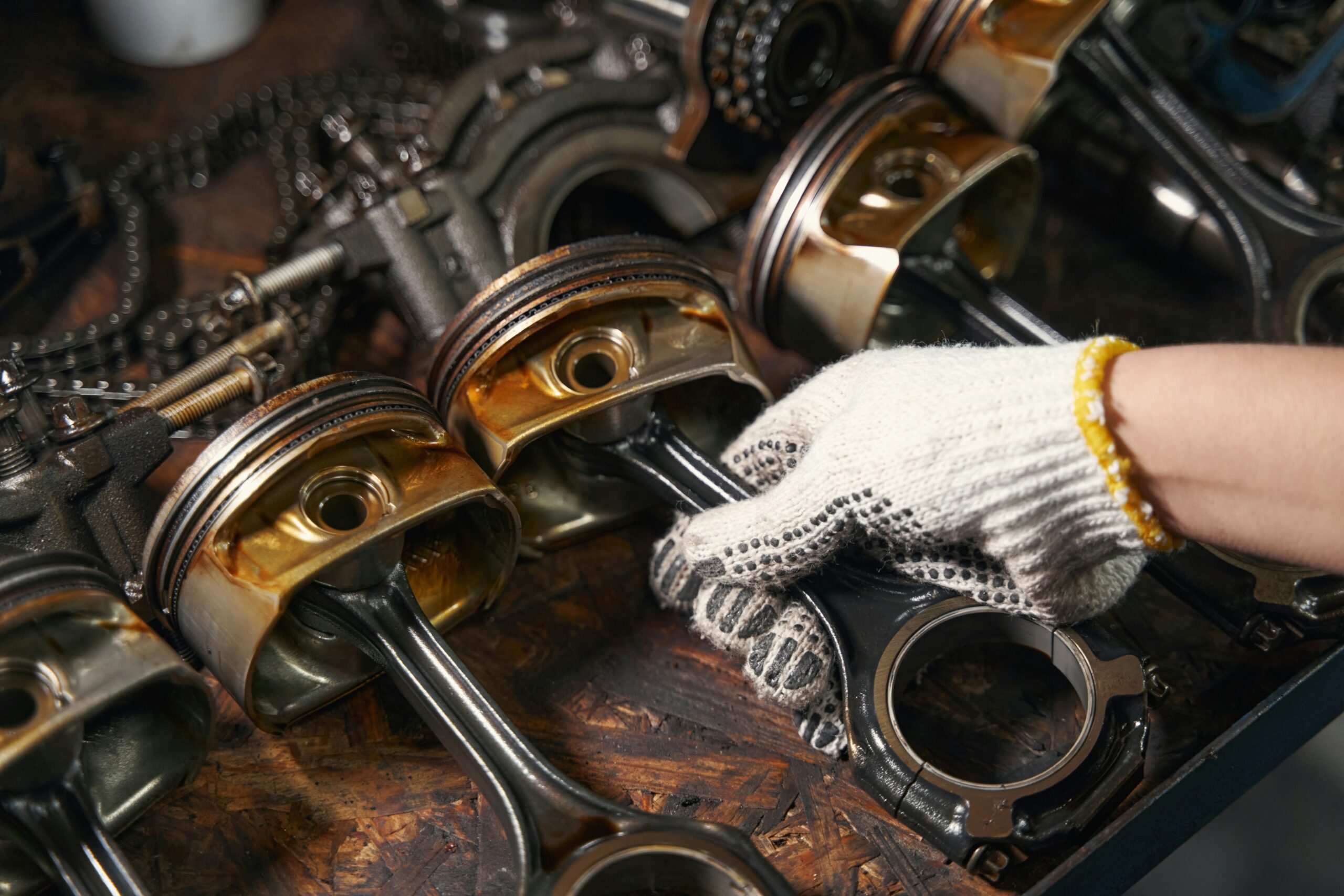
Contamination is a leading cause of accelerated wear in hydraulic systems. Dust, debris, moisture, and fine particles can all degrade fluid quality and damage internal components.
Once contamination enters the system, it circulates through the pump, causing abrasive wear on sensitive surfaces instead of supporting smooth operation.
Common sources include:
- Improper storage
- Open systems during maintenance
- Airborne particles
- Mixing incompatible fluids
The effects typically develop gradually, with internal wear increasing over time while the system continues to operate.
Why Fluid Consistency Reduces Downtime
Downtime rarely results from a single failure. More often, it develops gradually through system instability that eventually leads to maintenance interruptions or equipment failure.
Hydraulic systems become more difficult to manage when fluid conditions fluctuate. Pressure response can become inconsistent, pump efficiency may decline, and maintenance intervals may become less predictable.
Reliable hydraulic fluid performance helps reduce these variations by supporting stable operating conditions over time.
Key elements of consistency include:
- Using approved hydraulic fluids
- Following consistent maintenance schedules
- Maintaining clean handling practices
- Avoiding unnecessary fluid substitutions
When hydraulic conditions remain stable, maintenance planning becomes more predictable and less reactive.
These long-term hydraulic fluid benefits support smoother operations by reducing unexpected interruptions. For operations focused on production continuity, improved reliability depends on minimizing the small inconsistencies that can lead to downtime.
Long-Term Impact on Equipment Reliability
The long-term value of high-quality hydraulic fluids is most evident in operational stability rather than immediate performance changes. Pumps operate more consistently, maintenance becomes easier to manage, and systems experience fewer unexpected disruptions.
Reliable hydraulic fluids help maintain balanced operating conditions throughout the system. Heat is better controlled, friction remains stable, and contamination is managed more effectively during operation.
Another key advantage is reduced variability across equipment. Systems operating under consistent fluid conditions tend to age more evenly, which simplifies maintenance planning and troubleshooting.
Understanding these hydraulic fluid benefits allows operations to focus on maintaining stable conditions rather than responding to issues after they occur.
For long-term equipment reliability, fluid quality plays a critical role in preventing gradual stress from escalating into major maintenance events.
Ultimately, hydraulic system performance depends on more than pump design alone. It relies on maintaining stable internal conditions that allow pumps to operate reliably day after day.

Long-Term Pump Efficiency
Pump efficiency typically declines gradually as internal stress builds over time. Friction, contamination, and temperature instability all contribute to reduced hydraulic performance.
These changes often begin subtly, with slower pressure response, slight temperature increases, or more frequent operational adjustments. Over time, however, they can lead to higher maintenance demands and reduced system stability.
Reliable hydraulic fluids help maintain long-term efficiency by supporting controlled internal conditions during operation.
