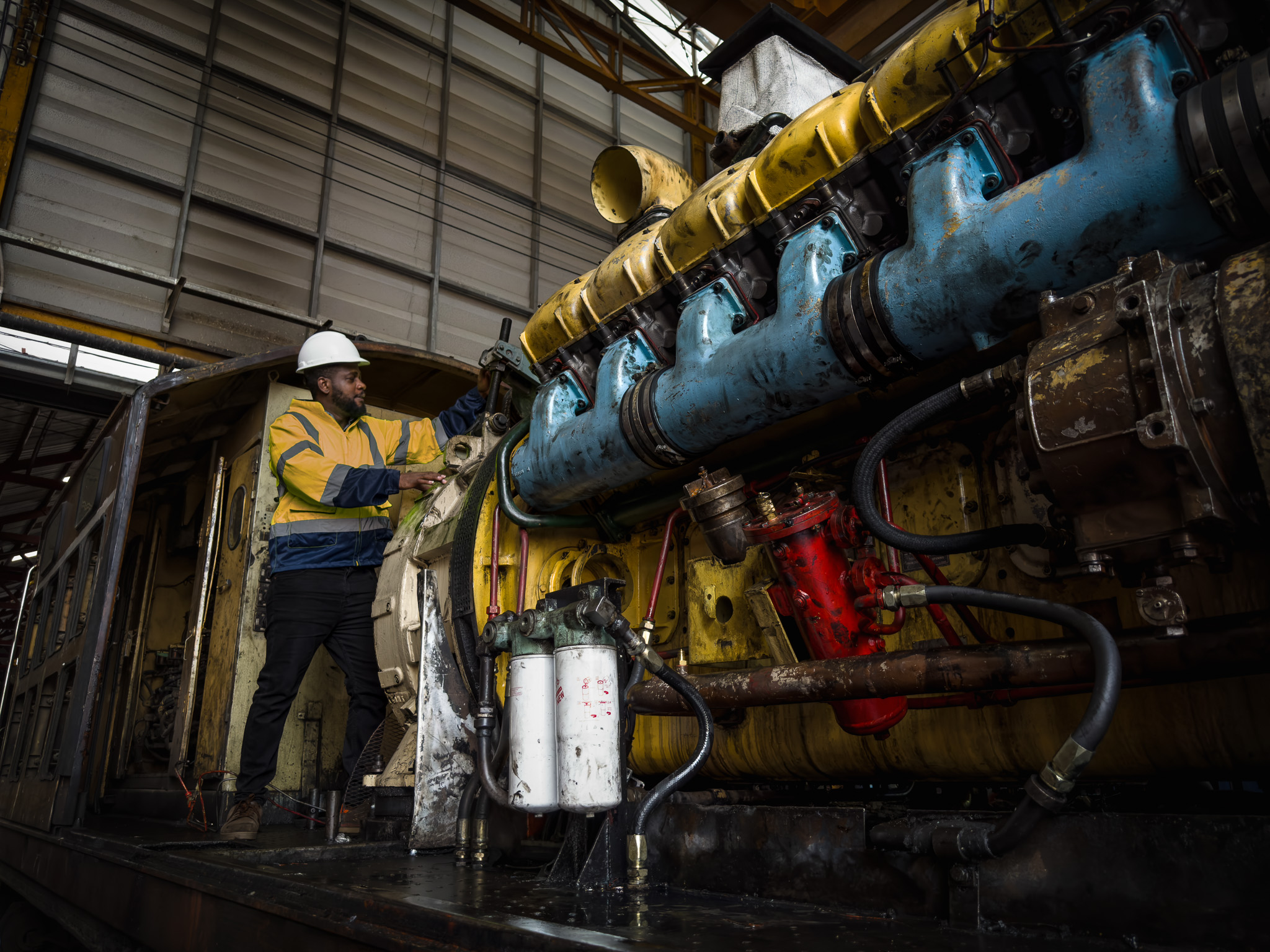

How Quality Hydraulic Fluids Can Reduce Pump Wear and Downtime
Hydraulic pumps do not receive much attention when things are going well. They work quietly behind the scenes, moving parts smoothly, creating pressure, and ensuring equipment functions as intended. Most of the time, operators focus on production, deadlines, or equipment output rather than the hydraulic system itself.
That typically alters when performance diminishes.
If a pump is becoming noisy, hotter, or reacting differently than it did a few months ago, it’s likely that there’s a bigger problem brewing within the system. In most instances, those changes are not attributed to a single failure. They are due to the slow deterioration that has been taking place over the years.
Hydraulic fluid quality is a factor that can often affect this process. Every time the equipment is used, the fluid is involved in all 3 of the following: lubrication, temperature control, and protection of internal parts.
The long-term benefits of hydraulic fluids can assist maintenance teams in making better decisions and contribute to greater equipment reliability in a variety of scenarios.
Pumps Work Harder Than Most People Think
Hydraulic pumps operate under constant demand. In some facilities, they run throughout the entire shift. In others, they cycle repeatedly throughout the day depending on production needs.
Regardless of the schedule, the pump is expected to perform the same way every time it starts.
Inside the unit, gears, pistons, vanes, or other moving components are working under pressure. Fluid passes through narrow clearances while carrying the load required to power the system.
Under these conditions, even small changes inside the pump can have an impact.
The fluid is part of what keeps those components separated and protected. When fluid quality remains stable, internal surfaces tend to experience less stress during operation.
This is one of the more practical hydraulic fluid benefits. Good fluid condition helps maintain a more stable operating environment inside the pump itself.
For organizations focused on equipment reliability, that stability often matters more than dramatic performance claims.
Early Wear Usually Doesn't Look Like a Problem
One reason hydraulic wear is often overlooked is that it develops slowly.
A pump rarely goes from working perfectly to failing overnight. More commonly, there are small changes along the way. Operating temperatures may creep upward. Efficiency may drop slightly. Response times may become less consistent.
Individually, these changes may not seem important.
Over time, however, they begin to add up.
Maintenance teams often notice issues such as:
- Increased operating noise
- Higher temperatures
- Slower hydraulic response
- More frequent servicing requirements
- Reduced overall efficiency
The challenge is that by the time these symptoms become obvious, wear has often been developing for a while.
One of the key hydraulic fluid benefits is helping reduce the conditions that contribute to this gradual deterioration.
Supporting equipment reliability is often less about fixing problems and more about preventing small issues from becoming larger ones.


Clean Fluid Makes a Difference
Ask experienced maintenance technicians about hydraulic systems, and many will point to contamination as one of the most common causes of trouble.
Hydraulic systems are designed around precision. Small particles that seem insignificant outside the system can become a problem once they begin circulating through pumps and valves.
Contamination can enter through:
- Improper storage
- Maintenance activities
- Damaged seals
- Environmental exposure
Once inside, those particles continue moving through the system until they are removed through filtration or maintenance.
Over time, contamination can increase wear on critical components and affect how efficiently the system operates.
Fluid quality and fluid cleanliness often go hand in hand. A well-maintained hydraulic fluid supports filtration efforts and helps maintain more stable operating conditions.
Among the most important hydraulic fluid benefits is the ability to help protect sensitive components from the long-term effects of contamination.
For improving equipment reliability, controlling contamination remains one of the most practical maintenance priorities.
Heat Has a Way of Creating Additional Problems
Every hydraulic system generates heat. The question is not whether heat will be present but how effectively it will be managed.
When temperatures remain within expected ranges, equipment generally operates without issue. Problems tend to develop when heat starts accumulating faster than the system can handle.
Excessive heat can affect:
- Fluid condition
- Lubrication quality
- Component life
- Overall system efficiency
As fluid degrades, its ability to perform consistently may begin to change. This often creates a cycle where rising temperatures affect fluid performance, and declining fluid performance contributes to even more heat.
Operators sometimes focus on cooling components when temperatures rise, but fluid condition is also part of the equation.
One of the practical hydraulic fluid benefits associated with quality products is maintaining performance under varying operating temperatures.
For organizations seeking stronger equipment reliability, managing heat effectively often starts with maintaining fluid quality.

Downtime Rarely Starts on the Day Equipment Stops
When a hydraulic pump finally requires repair, the actual problem often started much earlier.
The warning signs may have been there for weeks or months. Efficiency may have been declining gradually. Wear may have been increasing. Maintenance requirements may have become more frequent.
These early indicators are easy to overlook because the equipment is still operating.
The cost of downtime extends beyond the repair itself. Lost production, schedule disruptions, and additional labor all become part of the situation.
This is why maintenance teams often place emphasis on prevention.
Reliable fluid performance contributes to that effort by helping maintain more stable conditions inside the hydraulic system.
The long-term hydraulic fluid benefits often appear through fewer interruptions rather than noticeable performance improvements.
Supporting equipment reliability frequently comes down to reducing the factors that create unplanned maintenance events.
Looking at the System Instead of Just the Pump
Hydraulic pumps do not operate independently. They are part of a larger system where fluid, filtration, cooling, and maintenance practices all influence overall performance.
When evaluating hydraulic issues, focusing on the pump alone sometimes misses the bigger picture.
Fluid conditions affect every part of the system. It influences lubrication, temperature control, contamination management, and operating consistency.
Businesses looking to improve maintenance practices across vehicle and equipment operations often explore PRO X Automotive Industry Solutions as part of a broader approach to fluid management and equipment care.
Taking a system-wide view helps identify opportunities to improve reliability before problems become serious enough to affect production.
This broader perspective is one reason the hydraulic fluid benefits associated with quality products extend well beyond the pump itself.

Consistency Is What Delivers Long-Term Reliability
Most maintenance professionals are not looking for dramatic improvements. They are looking for consistency.
They want equipment to start when expected, operate normally during the shift, and avoid unnecessary interruptions.
Quality hydraulic fluids contribute to that goal by helping maintain stable operating conditions over time. They support lubrication, assist with temperature management, and help reduce the factors that contribute to wear.
The advantages may not be immediately visible, but they become easier to recognize over months and years of operation.
Pumps that operate under stable conditions tend to experience fewer unexpected issues. Maintenance schedules become easier to manage, and equipment performance remains more predictable.
Those outcomes are often the most valuable hydraulic fluid benefits because they directly influence day-to-day operations.
For organizations focused on long-term equipment reliability, fluid quality remains one of the simplest areas to control and one of the most important to get right.