

How Quality ATF Can Reduce Transmission Slippage and Wear
Automatic transmissions rely on consistent hydraulic pressure to operate efficiently. Fluid performance plays a critical role in every gear change, acceleration cycle, and load variation. While transmission components often receive attention when problems occur, the fluid circulating through the system can significantly influence transmission performance and reliability over time.
Many transmission issues develop gradually rather than appearing suddenly. Symptoms such as slipping, delayed shifting, inconsistent gear engagement, and increased wear often emerge over extended periods. In many cases, a decline in fluid performance begins long before noticeable symptoms appear.
Automatic transmission fluid does more than provide lubrication. It helps maintain hydraulic pressure, manage operating temperatures, and protect internal components from excessive wear. Consistent fluid performance supports predictable transmission operation across a wide range of driving and working conditions.
Understanding the long-term benefits of high-quality ATF can help operators improve transmission performance and reduce unnecessary wear. For fleets and vehicle owners focused on long-term reliability, fluid quality remains an important factor in maintaining dependable operation under demanding workloads and everyday driving conditions.
Why Transmission Slippage Happens Over Time
Transmission slippage is one of the most common issues affecting automatic transmissions. It occurs when gears are unable to maintain proper engagement, reducing the efficiency of power transfer throughout the drivetrain.
In most cases, slippage develops gradually rather than appearing suddenly. Drivers may notice symptoms such as delayed acceleration, inconsistent shifting, unexpected changes in engine speed, or a hesitation when changing gears. Several factors can contribute to transmission slippage, including:
• Fluid degradation over time
• Loss of hydraulic pressure
• Excessive operating temperatures
• Wear of clutch packs and friction materials
As automatic transmission fluid ages, its ability to provide proper lubrication and maintain hydraulic performance can decline. Reduced fluid performance can place additional stress on transmission components, increasing the potential for wear and operational issues.
One of the key benefits of high-quality automatic transmission fluid is its ability to support stable operating conditions and promote smooth, consistent gear engagement. Addressing fluid condition early can help reduce the risk of transmission slippage and support long-term transmission reliability.
The Role of ATF in Transmission Operation
Unlike engine oil, automatic transmission fluid performs multiple critical functions within the transmission system. In addition to providing lubrication, it helps transfer hydraulic pressure, manage operating temperatures, and protect internal components from wear.
Each of these functions contributes to overall transmission performance. To operate effectively, ATF must maintain consistent viscosity and deliver precise hydraulic pressure for smooth, reliable gear changes.
When automatic transmission fluid remains in good condition, it helps:
• Support smooth gear engagement
• Transfer hydraulic pressure efficiently
• Reduce friction between moving components
• Assist with heat management
As fluid quality declines, these functions can become less effective. While the transmission may continue to operate, performance can become less consistent and more difficult to predict.
One of the key benefits of high-quality ATF is its ability to maintain a balanced level of performance across multiple transmission functions. For long-term transmission reliability, fluid stability plays an important role in supporting both operational efficiency and component durability.


How Automatic Transmission Fluid Helps Reduce Internal Wear
Wear is a natural part of any mechanical system. Within an automatic transmission, gears, bearings, clutch packs, and valve body components are continuously subjected to movement, pressure, and friction during operation.
Without proper lubrication, these components experience increased stress and friction, which can accelerate wear and negatively affect transmission performance over time.
High-quality automatic transmission fluid helps create a protective film between moving surfaces, reducing metal-to-metal contact and minimizing friction-related wear.
This protection is especially important during:
• Frequent stop-and-go driving
• Towing and hauling applications
• High-temperature operating conditions
• Extended periods of operation
When lubrication remains stable, transmission components typically experience more consistent wear patterns and can maintain reliable performance for longer periods.
One of the most valuable benefits of high-quality ATF is its ability to help reduce the gradual wear that can contribute to costly repairs and reduced operating efficiency. As part of an effective transmission maintenance program, controlling internal wear is essential for supporting long-term transmission reliability and service life.
Managing Heat In Transmission
Heat is one of the primary factors affecting transmission performance and service life. Every gear change and hydraulic operation generates heat, which can accelerate fluid degradation if not properly managed.
Excessive heat can lead to:
• Faster fluid oxidation
• Reduced lubrication performance
• Increased component wear
• Inconsistent shifting
High-quality ATF helps manage operating temperatures while maintaining lubrication and hydraulic performance. This thermal stability supports fluid life, reduces component stress, and helps maintain reliable transmission operation over time.

Supporting Consistent Shifting Performance
Smooth shifting depends on consistent fluid performance. Modern automatic transmissions use precise hydraulic control to engage gears at the correct time and pressure.
When ATF remains in good condition, gear changes are typically smoother and more predictable. As fluid quality declines, drivers may notice:
• Delayed gear engagement
• Harsh or abrupt shifts
• Inconsistent shift timing
• Reduced responsiveness
These symptoms can indicate that fluid performance is no longer supporting optimal transmission operation. High-quality ATF helps maintain smooth, consistent shifting and supports reliable transmission performance throughout the service interval.
Why Fluid Condition Matters More Than Many Drivers Realize
Transmission fluid plays a critical role in vehicle performance, yet it is often overlooked because transmissions can continue operating even as fluid quality declines.
Fluid condition affects nearly every aspect of transmission operation, including shifting performance, wear protection, and hydraulic efficiency. Factors that can accelerate fluid degradation include:
• High operating temperatures
• Extended service intervals
• Contamination from wear particles
• Heavy-duty driving conditions
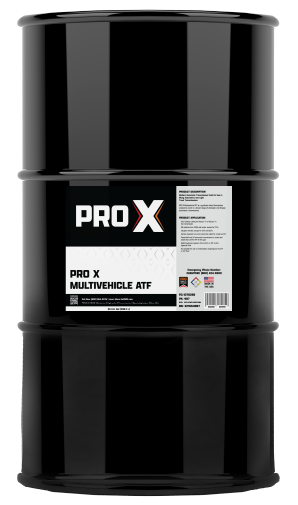
Routine fluid inspections and timely service help maintain transmission performance and reduce the risk of avoidable repairs. For drivers seeking dependable transmission fluid solutions, PRO X Multivehicle ATF is formulated to support smooth shifting, wear protection, and long-term transmission reliability.

Long-Term Benefits of Quality ATF
The benefits of quality transmission fluid are often seen through consistent performance over time. Stable ATF helps maintain smooth shifting, reliable hydraulic pressure, controlled operating temperatures, and reduced internal wear.
Whether operating under normal driving conditions, heavy loads, or frequent stop-and-go traffic, dependable fluid performance supports long-term transmission reliability. For vehicle owners focused on transmission maintenance, fluid quality remains an important factor in promoting efficient operation and helping reduce the risk of costly repairs.