How PRO X Engine Oils Extend Fleet Lifespan Across Industries
A fleet rarely wears out all at once.
One truck may still be running strong while another is already showing signs of hard use. A delivery van might spend its entire life in stop-and-go traffic, while a construction vehicle works through dust, heavy loads, and long hours. The vehicles may sit under the same company name, but their engines don’t necessarily experience the same kind of work.
That’s what makes fleet maintenance tricky.
Keeping vehicles on the road for as long as possible isn’t simply a matter of repairing them when something breaks. The better approach is to pay attention to the small things that affect engine condition over thousands of miles. Oil changes are one of those things.
Engine oil spends every working hour protecting the parts inside the engine. It circulates through bearings, valve components, pistons, and other moving parts while dealing with heat, friction, and contaminants. When the right oil is used at the right interval, it gives those components a better environment in which to operate.
That’s where well-planned engine oil programs become part of a broader maintenance strategy.
Fleet Engines Don't All Face the Same Workload
A fleet manager looking at a parking lot might see twenty similar vehicles. The engines may have very different lives.
A delivery truck could make dozens of stops every day. A highway tractor may spend hours at steady speed. A utility vehicle can idle for long periods while crews work at a job site. Construction equipment may operate under heavy loads in dusty conditions.
Those differences matter.
Repeated short trips can put different demands on an engine than long highway runs. Heavy loads increase stress, while extended idling keeps an engine operating without adding much mileage to the odometer.
A useful maintenance strategy takes those differences into account rather than treating every vehicle exactly the same.
Engine oil selection and service intervals can be influenced by:
- Vehicle type and engine design
- Average daily mileage
- Idling time
- Load and towing requirements
- Operating temperatures
- Dust and other environmental conditions
- Manufacturer service recommendations
The more closely a maintenance program reflects actual vehicle use, the easier it becomes to manage long-term fleet condition.
What Engine Oil Is Doing While the Fleet Is Working
Engine oil doesn’t get a break while the vehicle is running.
Every trip creates heat. Moving components generate friction. Combustion produces byproducts that eventually find their way into the oil. Over time, the lubricant has to deal with all of it while continuing to protect the engine.
That makes oil quality particularly important for commercial vehicles that accumulate miles quickly.
A good engine oil helps maintain a lubricating film between moving surfaces, reducing direct metal-to-metal contact. It also carries heat away from areas that operate under high temperatures and helps keep unwanted deposits under control.
When those jobs are handled consistently, the engine has a better chance of maintaining reliable performance over a longer service life.
The goal isn’t to make an engine last forever. No lubricant can do that.
The goal is to avoid adding unnecessary wear to an engine that is already working hard every day.


Why a Planned Engine Oil Program Beats Guesswork
One of the easiest maintenance mistakes is treating an oil change as something that only happens when the calendar says so.
Fleet operators have more information available to them than that.
Mileage, operating hours, vehicle use, maintenance records, and manufacturer recommendations can all help determine when an engine needs service. A well-organized engine oil program brings that information together so maintenance isn’t based on guesswork.
A practical program can include:
- Consistent oil change schedules
- Correct oil selection for each engine
- Maintenance records for individual vehicles
- Regular inspections for leaks or unusual oil consumption
- Monitoring vehicles that operate under severe conditions
- Following manufacturer recommendations
There’s also a financial reason for being organized. A missed service may not cause an immediate failure, but repeated neglect can increase wear and shorten engine life. When that happens across an entire fleet, the repair bills can add up quickly.
How PRO X Engine Oils Fit Into Fleet Maintenance
There isn’t one engine oil that is automatically right for every vehicle.
Different engines call for different viscosities and performance specifications. A diesel truck working long highway routes may have different requirements from a gasoline-powered service van. The first step is always matching the oil to the engine manufacturer’s recommendations.
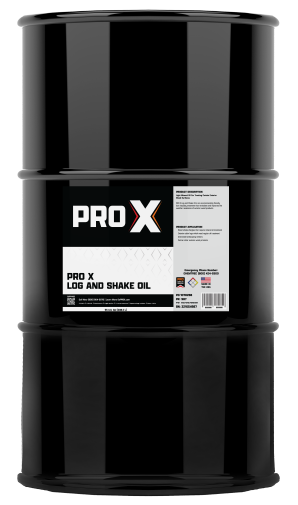
Within those requirements, PRO X engine oils can be incorporated into a fleet’s maintenance strategy to provide dependable lubrication and protection across applicable vehicle applications.
The benefit of taking a product-based approach is consistency. Maintenance teams know what they’re using, service records are easier to maintain, and technicians have a clearer process to follow.
For larger fleets, that consistency can make a noticeable difference. A maintenance program doesn’t have to be complicated to be effective. It just needs to be followed.

Fleet Longevity Is Built One Service at a Time
The lifespan of a fleet isn’t determined by one major maintenance decision.
It’s built through hundreds of smaller ones.
An oil change completed on schedule. A leak noticed before it becomes serious. The correct viscosity selected for an engine. A vehicle taken out of service for preventive maintenance instead of waiting for a breakdown.
None of these tasks are particularly dramatic. Together, they can have a major effect on fleet longevity.
Operators looking to extend vehicle life should pay attention to:
- Engine oil condition and service intervals
- Cooling system maintenance
- Air and fuel filtration
- Transmission service
- Tire condition and alignment
- Early signs of mechanical wear
Engine oil is only one part of the picture, but it’s one of the few maintenance products that remains in contact with critical engine components every time the vehicle operates.
Different Industries, Same Need for Reliable Engines
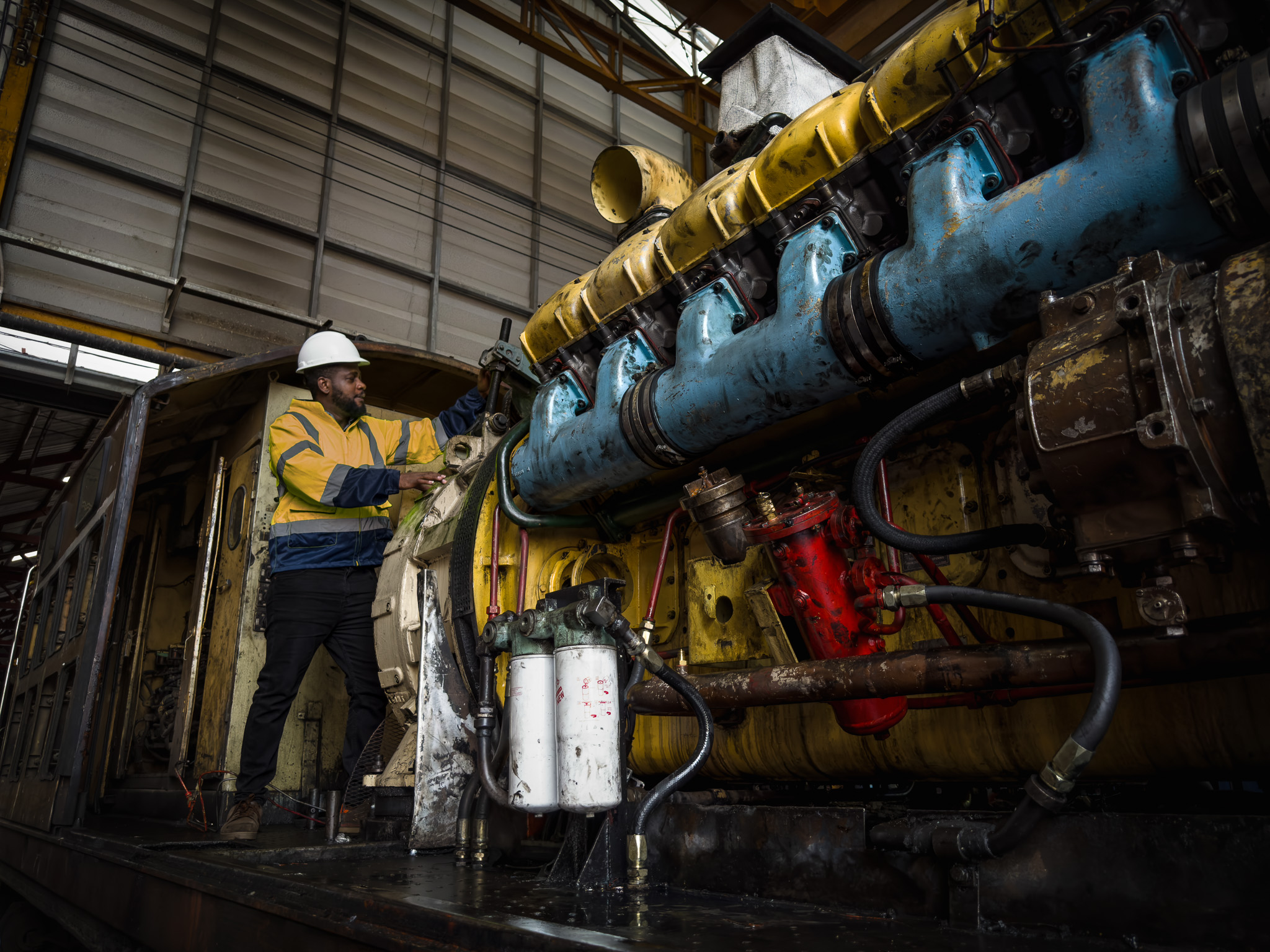
A construction company and a delivery company may have very different operations, but both depend on vehicles that start when they’re needed and stay in service throughout the workday.
Construction fleets often deal with heavy loads, long idle periods, dust, and demanding job sites. Delivery fleets face frequent stops and starts. Utility and service vehicles may spend hours idling between calls. Transportation fleets can accumulate thousands of highway miles in a relatively short period.
The maintenance details vary, but the objective doesn’t: keep engines reliable enough to support daily operations.
That is why a flexible maintenance strategy matters. Rather than building a program around one type of vehicle, fleet operators can adjust service practices around how each group of vehicles is actually being used.
The result is a more practical approach to extending vehicle life without treating every engine as though it operates under identical conditions.

Longer Fleet Life Starts with Consistent Engine Care
Keeping a fleet in service longer doesn’t necessarily require complicated technology or expensive maintenance procedures. Often, it comes down to doing the basic things consistently and doing them correctly.
Engine oil is one of those basics.
When the right oil is selected for the application and changed according to an appropriate service schedule, it helps protect the engine against the friction, heat, and contamination that come with everyday operation. Over years of fleet use, that consistent protection can contribute to better reliability and longer engine service life.
PRO X engine oils can form part of a structured engine oil program designed around the needs of individual vehicles and operating conditions. Combined with inspections, timely servicing, and a sensible maintenance strategy, they can help businesses protect their engines and support longer, more reliable equipment service life.
For fleet operators, that’s the real value of good maintenance: fewer avoidable problems, more predictable operating costs, and better support for long-term vehicle reliability.