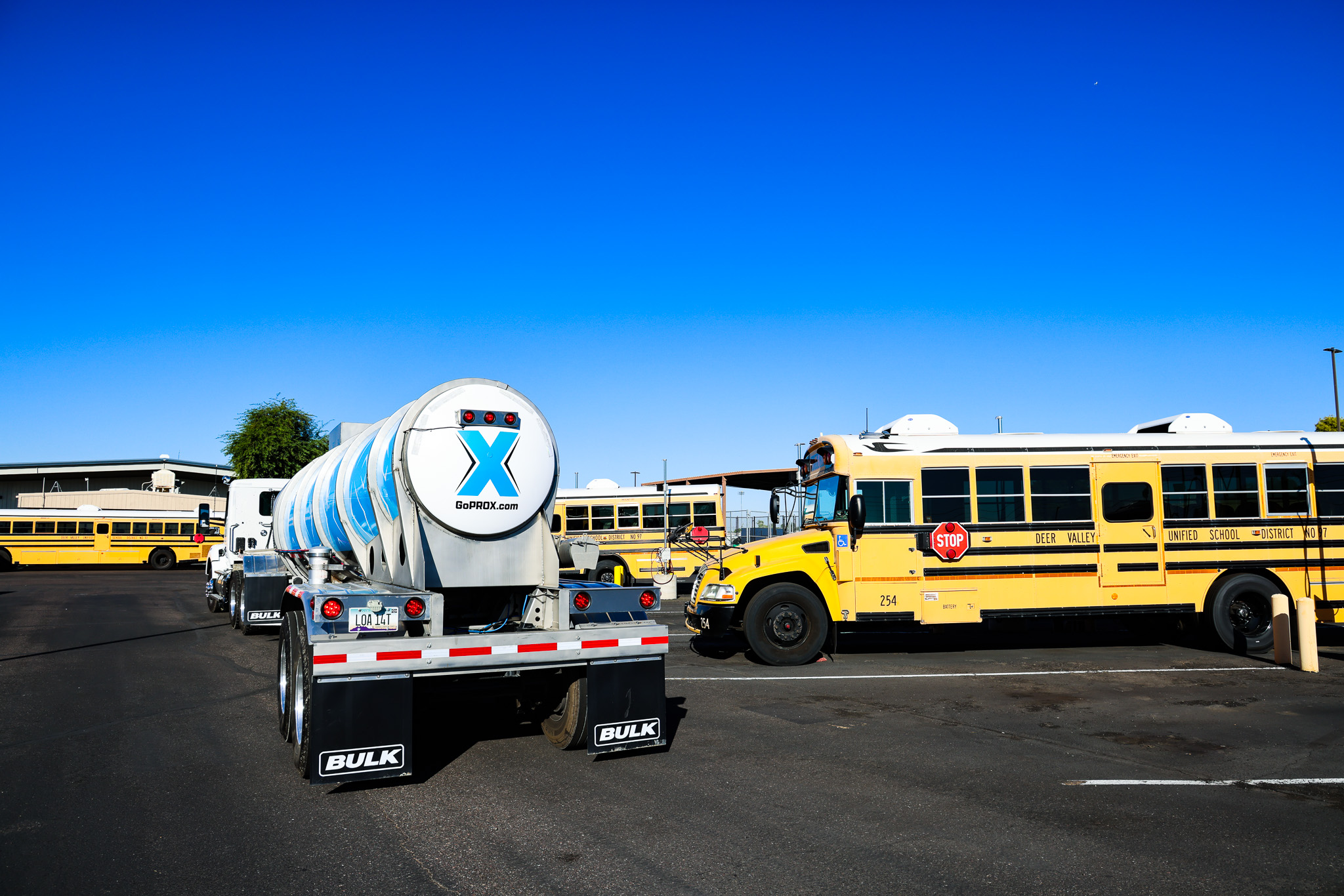

How ISO 22241 Certified DEF Protects Diesel Engines
Modern diesel engines deliver exceptional power, efficiency, and durability while meeting increasingly stringent emissions regulations. With global standards tightening, emissions control is no longer optional—it is a core requirement for reliable engine operation. Diesel Exhaust Fluid (DEF) provides the solution, enabling engines to meet regulatory standards without sacrificing performance.
Not all DEF is created equal. Engine stability and emissions system performance depend on the quality, purity, and consistency of the fluid. ISO 22241-certified DEF ensures proper chemical composition, system compatibility, and predictable performance. This certification protects engines from emissions-related failures, reduces downtime, and prevents long-term damage.
For professional fleets, choosing the right DEF is a strategic decision. It directly impacts reliability, regulatory compliance, and operational costs, making high-quality DEF an essential component of fleet management.
Why Diesel Engines Depend on DEF Today
Diesel engines are essential across transportation, construction, mining, agriculture, logistics, and industrial power generation. Their ability to carry heavy loads and deliver consistent torque makes them indispensable, but they must also meet strict nitrogen oxide (NOx) emissions standards.
Selective Catalytic Reduction (SCR) systems, powered by Diesel Exhaust Fluid (DEF), convert harmful NOx emissions into harmless nitrogen and water vapor. Without DEF, SCR systems cannot function, and diesel engines will fail to meet emissions requirements. As a result, DEF is a mandatory operating fluid—not an optional additive.
The quality of DEF is critical for reliable engine operation. Low-quality DEF can compromise emissions systems, trigger fault codes, and reduce engine performance. ISO 22241-certified DEF ensures the correct chemical formulation, providing consistent emissions control and uninterrupted engine performance.
Understanding ISO 22241 Certification
ISO 22241 is the global standard that governs the production, handling, and quality of Diesel Exhaust Fluid (DEF). It ensures that DEF used in SCR systems is pure, reliable, and fully compatible with modern diesel engines.
DEF that meets ISO 22241 standards is produced under controlled conditions and undergoes rigorous chemical and cleanliness testing. The standard sets strict requirements for urea concentration, water purity, and the absence of contaminants—factors that are critical for optimal SCR system performance.
ISO 22241-certified DEF guarantees:
Precise urea concentration
Ultra-pure demineralized water
Absence of harmful contaminants
Full compatibility with SCR components
Meeting these requirements protects diesel engines from emissions system damage, including crystallization, injector clogging, and catalyst contamination. ISO 22241 certification provides certainty, ensuring that DEF performs exactly as modern diesel engines demand.
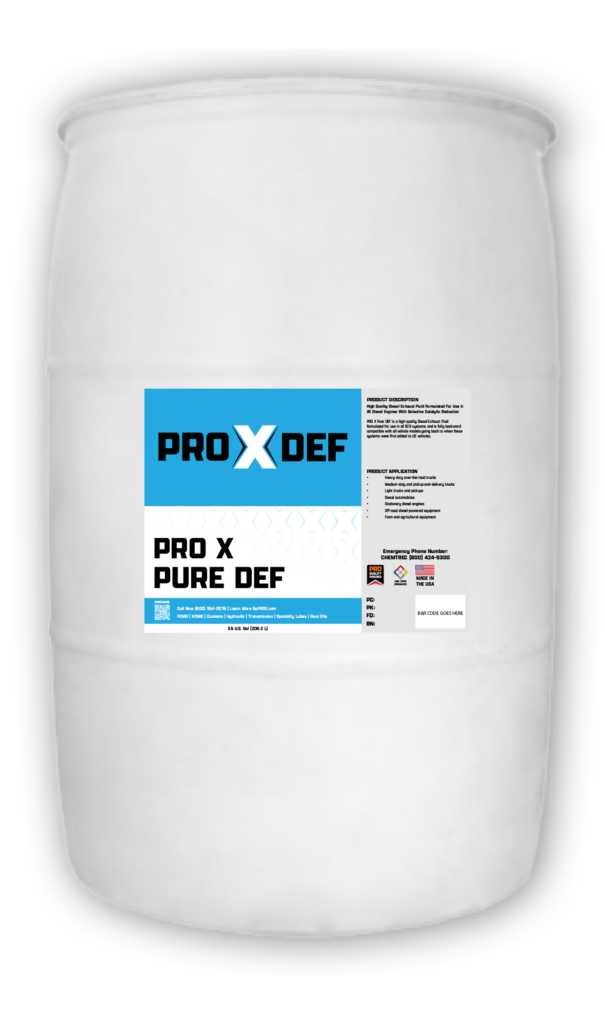
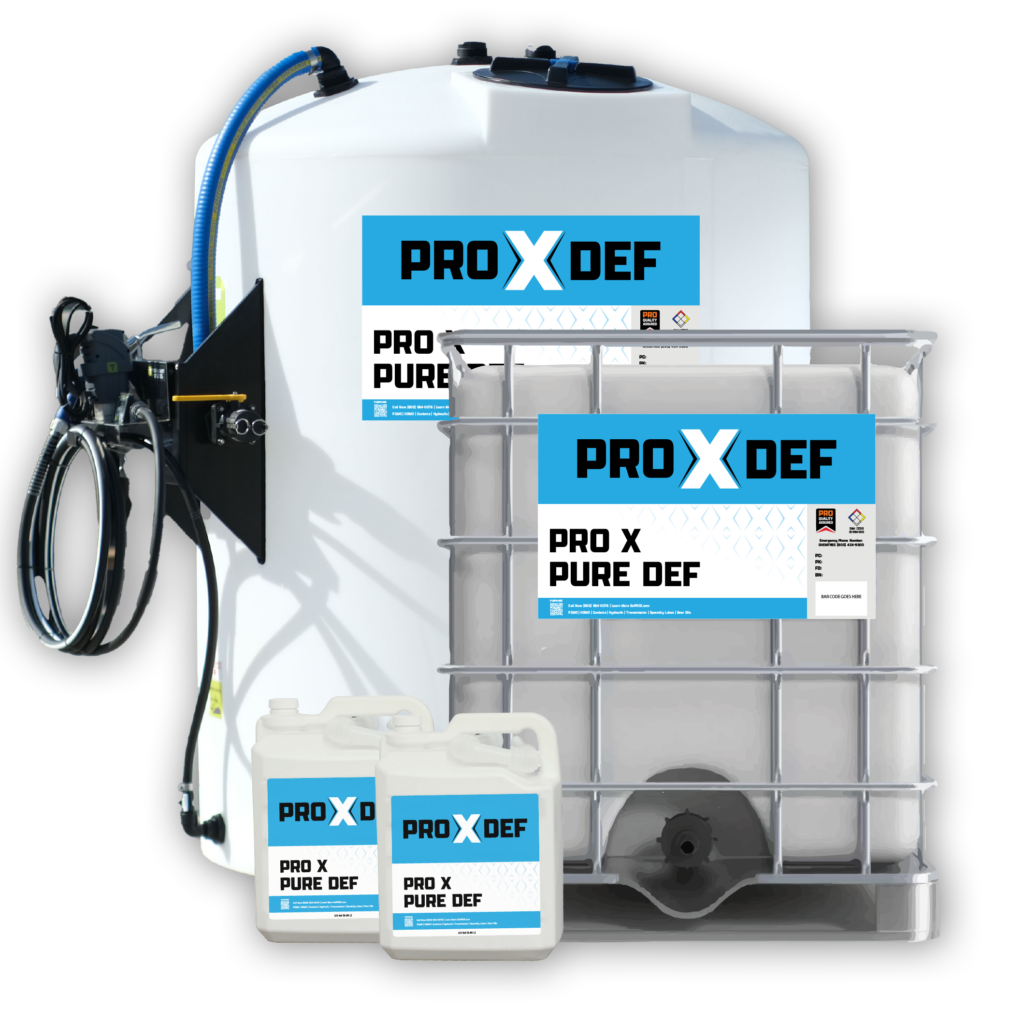

Protecting SCR Systems from Damage
SCR systems are highly sensitive and fully dependent on the quality of Diesel Exhaust Fluid (DEF). In the exhaust stream, DEF must vaporize and react predictably to reduce emissions effectively. Any deviation in DEF composition can disrupt this process.
ISO 22241-certified DEF ensures chemical purity and stability, safeguarding SCR systems from deposits in injectors, lines, and catalysts. This minimizes the risk of system failures and maintains optimal performance.
Certified DEF protects critical components, including:
DEF injectors
SCR catalysts
Sensors and dosing modules
Exhaust aftertreatment components
When SCR systems remain clean and properly functioning, diesel engines operate at peak efficiency, and emissions-related fault codes are avoided. Using certified DEF directly supports emissions system integrity and overall engine stability.
Preventing Operational Disruptions
Engine derates limit performance and can create compliance issues in regulated environments. Such interruptions lead to operational delays, higher costs, and unexpected maintenance events.
ISO 22241-certified DEF helps prevent:
Emissions-related engine derates
Dashboard warnings and fault codes
Forced shutdowns
Emergency maintenance events
By maintaining proper emissions system function, certified DEF ensures diesel engines operate consistently and reliably. This is critical for fleets and industrial operations that depend on uninterrupted uptime.
Ensuring Regulatory Compliance Across Regions
Emissions regulations vary by region, but strict control of nitrogen oxides (NOx) is universal. Noncompliance can result in fines, restricted operations, or even loss of operating licenses.
ISO 22241-certified DEF helps meet these regulations by ensuring the proper operation of SCR systems. Using certified DEF demonstrates adherence to international standards and alignment with engine manufacturer specifications.
Compliance benefits include:
Reduced risk of emissions violations
Improved inspection and audit outcomes
Consistent compliance across operating regions
Enhanced operational credibility
Certified DEF gives companies confidence that diesel engines remain compliant in every jurisdiction, supporting both operational efficiency and regulatory integrity.
Supporting Engine Performance
While Diesel Exhaust Fluid (DEF) does not fuel or lubricate diesel engines, it is essential for emissions control, which directly impacts engine performance. Properly managed emissions systems allow diesel engines to operate efficiently and deliver consistent power.
ISO 22241-certified DEF contributes to:
Stable exhaust temperatures
Balanced engine operation
Reduced thermal and mechanical stress
Consistent power delivery

Why Professionals Choose ISO 22241 Certified DEF
Professional operators rely on ISO 22241-certified DEF because it eliminates uncertainty and protects the performance of diesel engines. Certified DEF safeguards emissions systems, prevents engine derates, ensures compliance, and supports long-term reliability.
For companies that depend on diesel engines daily, ISO 22241 DEF is essential—delivering predictable operations, minimizing downtime, and guaranteeing sustained performance beyond just emissions control.