
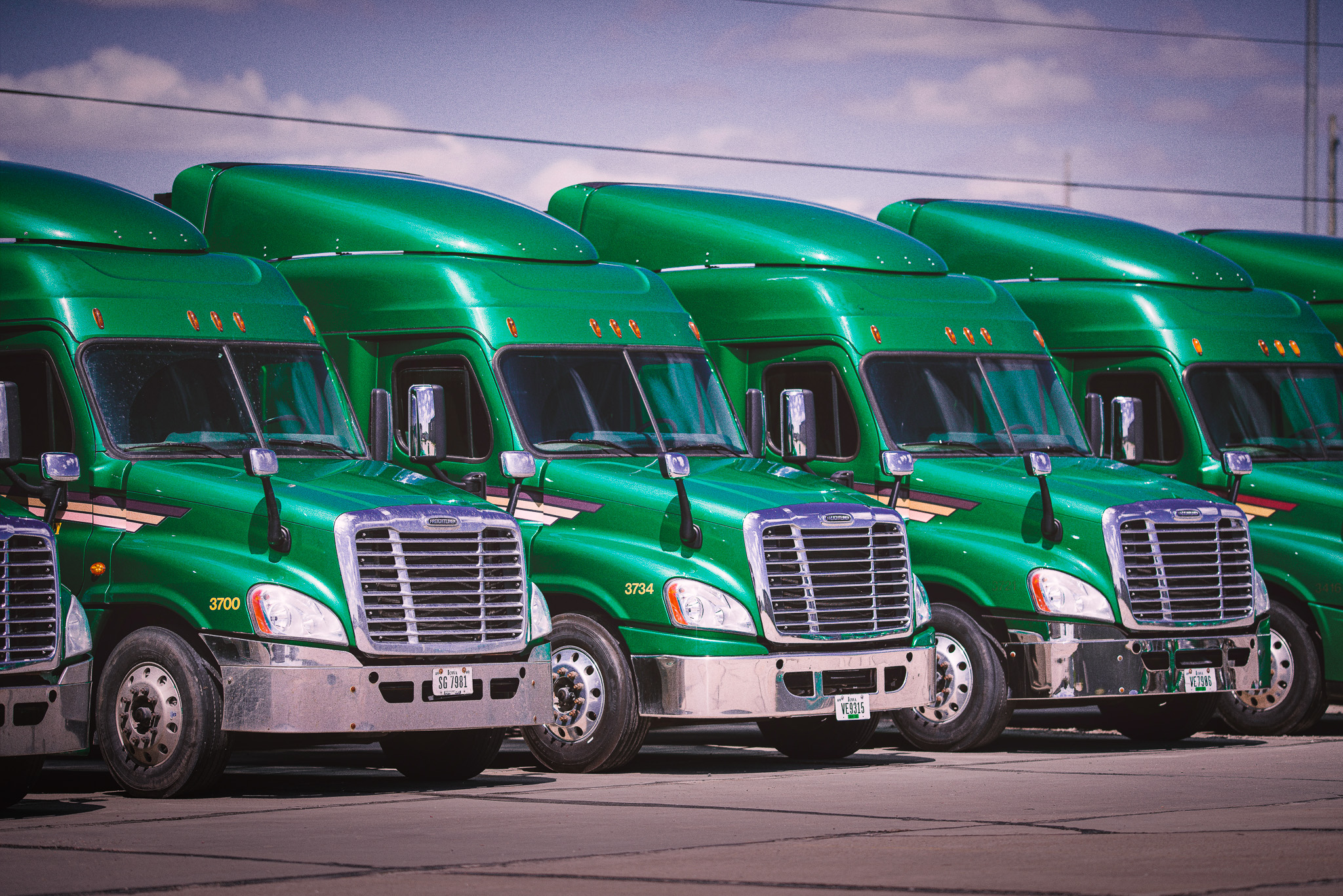
How Fleet Lubricants Improve Vehicle Uptime
Operating a fleet is not simply about putting vehicles on the road—it is about keeping them there. When even one vehicle goes down, schedules are disrupted, deliveries are delayed, and operations are impacted across the board.
Breakdowns are not always the result of major failures. More often, performance declines due to smaller, compounding issues such as increased wear, overheating, and reduced efficiency. Over time, these factors can significantly affect reliability.
Lubrication plays a critical role in maintaining consistent performance. While it may not always be top of mind, it directly impacts how reliably vehicles stay in operation. Using the right fleet lubricants is one of the most effective ways to support consistent uptime and reduce the likelihood of unplanned disruptions.
Why Uptime Is Critical in Fleet Operations
Uptime is more than a performance metric in fleet operations—it is the foundation of productivity. Vehicles that are off the road do not generate value and instead create added costs in time, resources, and operational efficiency.
While fuel efficiency and route optimization are important, they offer little benefit if vehicles are unavailable when needed. Consistent, preventative maintenance is essential to keeping fleets operational.
Most downtime is not caused by sudden, catastrophic failures. Instead, it results from gradual wear, insufficient maintenance, and overworked systems. Effective lubrication plays a key role in preventing these issues.
High-quality fleet lubricants reduce internal stress on engines and critical components, support smooth operation, and help minimize the risk of unexpected disruptions. Over time, this leads to fewer interruptions and more predictable fleet performance.
Understanding Fleet Operating Conditions and Equipment Stress
Fleet vehicles do not operate under ideal conditions. They are in constant use—moving between job sites, handling frequent loading and unloading, and navigating a wide range of road and weather conditions.
Some vehicles run long routes daily, while others make frequent short trips with repeated engine starts. Each scenario places a different type of stress on critical components.
Common stress factors include:
- Frequent stop-and-go driving
- Heavy loads over extended distances
- Exposure to extreme temperatures
- Dust, moisture, and road contaminants
Over time, these conditions impact internal components and accelerate wear—especially when lubrication is inadequate.
High-quality fleet lubricants are engineered to perform under these varying demands. They help protect critical systems, maintain consistent performance, and support reliable uptime, even under heavy use.

How Lubricants Reduce Wear and Prevent Failures
Wear does not occur all at once—it develops gradually over time. Each instance of insufficient protection between moving parts contributes to incremental damage.
As this damage accumulates, it can lead to reduced performance and, eventually, component failure.
Lubricants create a protective film between moving parts, preventing direct contact and reducing friction during operation. This protection is essential for limiting wear and maintaining system efficiency.
High-quality fleet lubricants are designed to maintain this protective barrier under demanding conditions. They resist breakdown under pressure, helping extend component life and reduce the likelihood of unexpected failures. The result is improved reliability and more consistent vehicle uptime.
Maintaining Engine Efficiency
Heat is one of the most significant challenges in vehicle systems. During operation, engines generate thermal energy that must be effectively managed. Excessive heat can degrade oil performance, accelerate wear, and increase the risk of system failure.
Lubricants play a critical role in temperature control by absorbing and dispersing heat, preventing it from concentrating in specific areas. High-quality fleet lubricants are formulated to maintain stability under elevated temperatures, resisting thinning and continuing to provide effective protection.
Maintaining proper operating temperatures supports efficient engine performance and contributes to consistent, reliable vehicle uptime.

The Link Between Lubrication and Maintenance Costs
Fleet management requires ongoing maintenance, but there is a clear distinction between scheduled service and unplanned repairs. Unplanned issues are typically more costly, more disruptive, and often result in extended vehicle downtime.
Using high-quality fleet lubricants helps reduce the likelihood of these unexpected problems. Critical components remain protected, and systems operate more efficiently.
This leads to:
- Fewer emergency repairs
- Lower maintenance costs
- Extended service intervals
- Improved planning and scheduling
Effective lubrication supports greater vehicle uptime, minimizing disruptions and enabling more efficient use of fleet resources.

The Right Lubricants for Fleet Performance
Fleet vehicles have varying lubrication requirements based on engine type, usage patterns, and operating conditions. Selecting the right lubricant involves aligning the product with these specific demands.
Key factors such as load, temperature, and driving conditions must be considered, as improper selection can lead to reduced performance and increased wear. Using the correct lubricants, along with following manufacturer recommendations and maintaining consistency, helps support reliable vehicle uptime.

Building a Lubrication Strategy
An effective lubrication plan relies on consistency. Regular checks, timely oil changes, and monitoring fluid condition help prevent issues before they arise.
Using high-quality fleet lubricants and tracking their performance supports early detection of potential problems and helps maintain reliable uptime. Over time, consistent practices lead to more dependable fleet performance.
Lubrication may not be the most visible aspect of operations, but it plays a critical role in reducing friction, managing heat, and protecting key components. Proper lubricant selection and maintenance help keep vehicles running efficiently and minimize disruptions.