How Coolant Supports Long-Term Engine Performance
An engine can run for years without giving much indication of what’s happening inside the cooling system. The temperature gauge stays where it should, the machine starts normally, and the equipment keeps going to work.
That doesn’t mean the cooling system can be forgotten.
Every time an engine runs, the coolant is working alongside the rest of the cooling system to manage heat. It circulates through the engine, carries heat away from critical areas, and moves that heat toward the radiator where it can be released.
Over thousands of operating hours, that process matters.
The condition of the engine coolant, the way the cooling system is maintained, and the suitability of the coolant for the application all play a role in long-term engine protection. Good maintenance isn’t about waiting for an overheating problem. It’s about keeping the cooling system in a condition where it can continue doing its job.
Overview
- Engine coolant helps manage the heat produced during normal engine operation.
- Proper coolant selection supports protection against corrosion and temperature extremes.
- Coolant condition matters just as much as coolant level.
- Regular inspections can catch leaks, contamination, and cooling system issues early.
- Following manufacturer recommendations supports long-term engine protection.
- Consistent maintenance can help reduce the risk of avoidable cooling-system problems.
Engine Heat Has to Be Managed Every Day
Combustion engines naturally generate substantial heat. Some of that heat is converted into useful mechanical energy, while the rest has to be managed by the engine’s cooling and lubrication systems.
The cooling system is continuously dealing with this heat whenever the engine is operating.
Heavy workloads make the job more demanding. Towing, hauling, construction work, extended operation, high ambient temperatures, and long duty cycles can all increase the amount of heat the system needs to handle.
A properly maintained cooling system helps keep the engine within its intended operating temperature range.
When the system is neglected, however, small problems can gradually reduce its ability to manage heat. A restricted radiator, low coolant level, deteriorating hose, or unsuitable coolant may not cause an immediate failure, but each can reduce the margin the cooling system has when the engine is working hard.


The Right Engine Coolant Does More Than Control Temperature
Temperature control is one of the most obvious functions of coolant, but it isn’t the only one.
The right engine coolant is also formulated to provide protection for the cooling system under the conditions for which it was designed. Depending on the formulation, this can include freeze and boil protection as well as corrosion protection for compatible cooling-system materials.
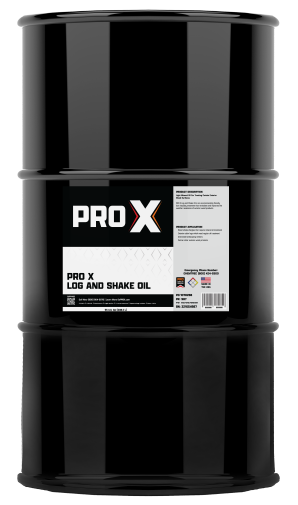
That makes coolant selection an important part of long-term maintenance. For maintenance teams managing different types of equipment, having access to a dependable range of PRO X products can make fluid selection easier, provided each product is matched to the equipment manufacturer’s requirements.
Maintenance teams should consider:
- The engine manufacturer’s coolant specification
- The required coolant technology
- The required freeze and boil protection for expected operating conditions
- Recommended service intervals
- Existing coolant type and condition
- Compatibility before adding another coolant
Color alone shouldn’t determine which coolant goes into an engine. Different formulations can have similar appearances while being designed for different applications.
Matching the coolant to the equipment’s requirements is a much more dependable approach.
Coolant Condition Changes Over Time
A cooling system can have the proper coolant level and still need attention.
Coolant is repeatedly exposed to heating and cooling cycles during normal engine operation, and its protective properties can change over time. Depending on the formulation and operating conditions, additives can become depleted as the coolant remains in service.
This is one reason manufacturers establish coolant service intervals.
Maintenance teams shouldn’t rely solely on how the fluid looks. Changes in coolant appearance, contamination, deposits, or unexplained coolant loss can all be reasons to investigate further.
A good maintenance routine keeps track of when coolant was installed and when it is due for service. That makes it easier to avoid both premature changes and extended service beyond the manufacturer’s recommendation.
For equipment that accumulates significant operating hours, that consistency becomes especially important.

Cooling System Problems Can Affect Engine Protection
Coolant can only do its job if the rest of the cooling system is functioning properly.
The radiator, water pump, thermostat, hoses, fan, clamps, and other components all contribute to moving and controlling heat. A failure in any of these areas can reduce cooling performance, regardless of how good the coolant itself is.
That’s why protecting the engine from cooling-system-related problems involves more than choosing a suitable coolant.
During routine service, technicians can watch for:
- Low or repeatedly dropping coolant levels
- Leaks around hoses and connections
- Cracked, swollen, or deteriorating hoses
- Corrosion or deposits
- Restricted radiator airflow
- Unusual changes in engine operating temperature
These checks don’t take the place of proper diagnosis when a serious problem exists. They simply give maintenance teams an opportunity to identify developing issues before the equipment is under maximum operating load.
Maintenance Best Practices Can Help Catch Developing Problems
Long-term engine performance is rarely protected by one maintenance task. It comes from doing the basic work consistently.
Good maintenance best practices include following the manufacturer’s coolant requirements, checking fluid levels, inspecting cooling system components, and keeping accurate service records.
For fleets and equipment operators, consistency is particularly useful. A machine may have several different people responsible for its maintenance over its operating life. Clear records help everyone understand what coolant was used, when it was serviced, and whether previous problems were identified.
A practical routine can include:
- Checking coolant levels during scheduled inspections
- Inspecting the system for visible leaks
- Keeping radiators and cooling packages clean
- Following the recommended coolant service interval
- Using only the coolant specified for the equipment
- Investigating repeated coolant loss
- Recording coolant changes and related repairs
None of these practices is complicated. Their value comes from identifying cooling-system issues before they contribute to overheating, component damage, or unexpected downtime.
Long-Term Performance Depends on Consistency
An engine that runs for years doesn’t usually get there because of one exceptional maintenance decision. Long engine service life is supported by consistent maintenance performed throughout the equipment’s operating life.
The right engine coolant is one part of that process. Maintaining the cooling system, using the correct product, monitoring coolant condition, and responding to warning signs all contribute to better engine protection.
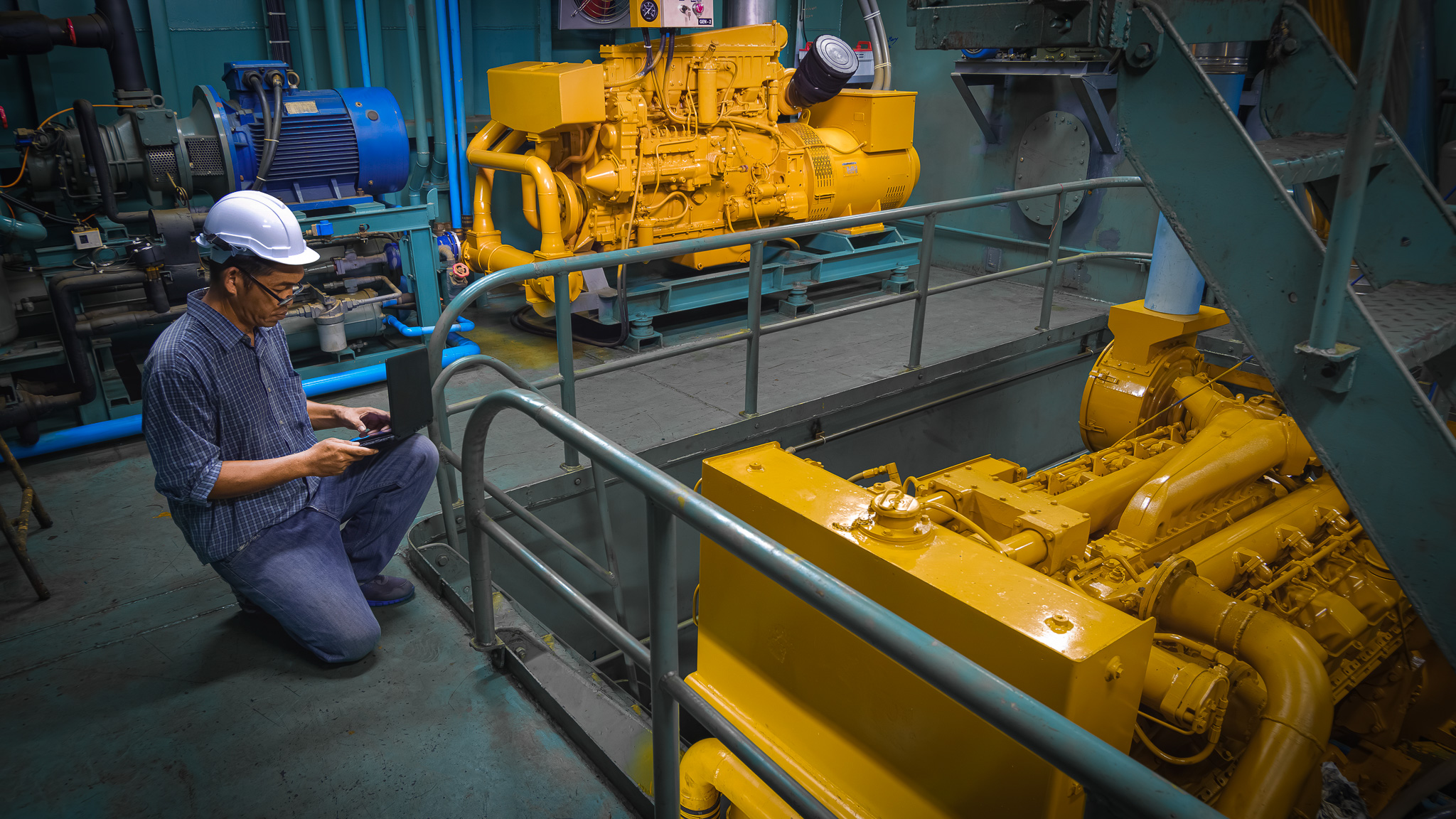
This is especially important for equipment that works under demanding conditions. Heavy equipment, commercial vehicles, generators, and industrial machinery may spend long periods operating under substantial loads.
Consistent maintenance practices can help cooling systems perform reliably under demanding operating conditions.

Protecting Engine Performance for the Long Run
Coolant isn’t usually the first thing people think about when they talk about engine longevity. Oil, filters, belts, and major mechanical components tend to get more attention.
But the cooling system is working every time the engine runs.
Keeping the correct engine coolant in the system, maintaining the proper service schedule, and inspecting the surrounding components all support long-term engine protection. When these tasks become part of normal maintenance best practices, cooling system care becomes preventive rather than reactive.
The goal isn’t simply to avoid an overheating warning today. It’s to maintain the cooling system so it can continue supporting proper engine temperature control throughout the equipment’s service life.