
Heavy Duty Coolant vs Standard Antifreeze Explained
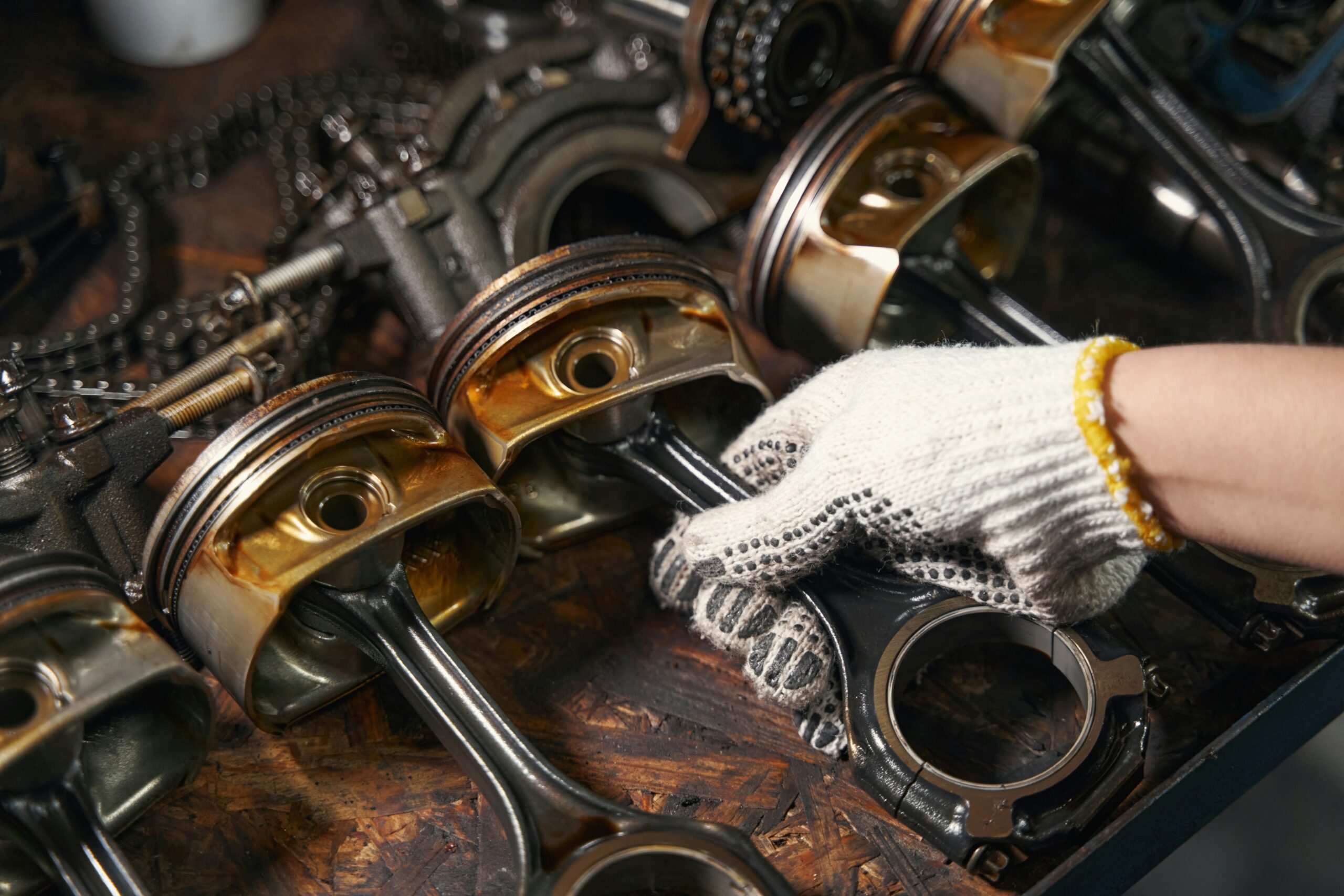
The engine cooling system is one of the most critical components of vehicle performance and reliability. Engines generate significant heat during operation, whether in passenger vehicles, heavy-duty trucks, agricultural machinery, or construction equipment. Without proper cooling, excessive heat can lead to serious mechanical issues, including warped cylinder heads, damaged gaskets, and reduced component lifespan.
Two common types of coolant used across various vehicles and equipment are heavy-duty antifreeze and standard antifreeze. While both are designed to regulate engine temperature and prevent freezing, each is formulated for different operating conditions and performance requirements. Understanding the differences between these coolant types is essential for proper maintenance and reliable engine performance.
A clear comparison of antifreeze types helps vehicle owners, technicians, and fleet managers determine which coolant is best suited for their equipment and operating conditions. Selecting the appropriate coolant supports consistent temperature regulation while protecting internal cooling system components from corrosion, scale buildup, and chemical breakdown.
How Engine Coolant Works and Why Formulation Matters
Engine coolant plays a critical role beyond simply reducing engine temperature. As it circulates through the engine block and radiator, coolant absorbs heat and transfers it through the cooling system to maintain stable operating conditions. In addition to heat management, coolant also coats internal metal surfaces, helping support smooth and consistent engine operation.
Most coolant formulations consist of water blended with chemical additives designed to improve thermal performance and corrosion protection. Many formulas use ethylene glycol or propylene glycol as the primary base, combined with specialized additives that help prevent rust, scale buildup, and internal system deposits.
The primary difference between standard and heavy-duty antifreeze lies in their additive chemistry and the operating conditions they are designed to support. Heavy-duty engines typically operate under higher loads, higher temperatures, and longer service intervals than passenger vehicles. Because of these demanding conditions, an effective antifreeze comparison must account for how and where the coolant will be used.
What Makes Heavy Duty Coolant Different
Diesel engines have heavy modes of operation, which are more demanding as compared to normal passenger vehicles. Trucks, construction machinery, and industrial machines operate long hours and under heavy loads. Such constant pressure exerts more pressure on the cooling system.
A heavy-duty coolant is designed to work under these conditions. It has improved corrosion inhibitors and additives that are aimed at avoiding prolonged wearing of engine parts, including cylinder liners, water pumps, and radiators.
Heavy-duty coolants are frequently provided with cavitation erosion protection. Cavitation is the breakdown in the metal surfaces of diesel engines caused by pressure variations in their different parts, which creates small vapor bubbles that rupture when struck against the metal surfaces, and over time, these ruptures eventually damage the cylinder liners. This form of wear is prevented by special additives.
One of the major differences that can be made when making an antifreeze comparison is that heavy-duty formulations are designed with durability and protection against harsh operating environments.

Chemical Composition and Additive Technology
Coolant chemical composition plays a significant role in overall performance and system protection. Standard antifreeze typically uses conventional additive technology designed primarily for gasoline engines and lighter-duty vehicles.
Heavy-duty coolant, however, is formulated with more advanced additive systems to withstand higher operating temperatures, increased engine vibration, and extended service intervals. These enhanced formulations help maintain cooling system reliability under demanding operating conditions.
Key protective additives commonly found in heavy-duty coolants include:
-
Corrosion inhibitors that protect aluminum, steel, and copper components
-
Anti-cavitation agents that help safeguard cylinder liners from erosion
-
Anti-scale additives that reduce mineral deposit formation
-
Extended-life stabilizers that help maintain coolant performance over longer service periods
These additives help ensure consistent cooling system performance during extended operating cycles. In a detailed antifreeze comparison, heavy-duty formulations typically provide a broader range of protection designed for diesel engines and industrial equipment.
Cooling Systems for High-Load Engines
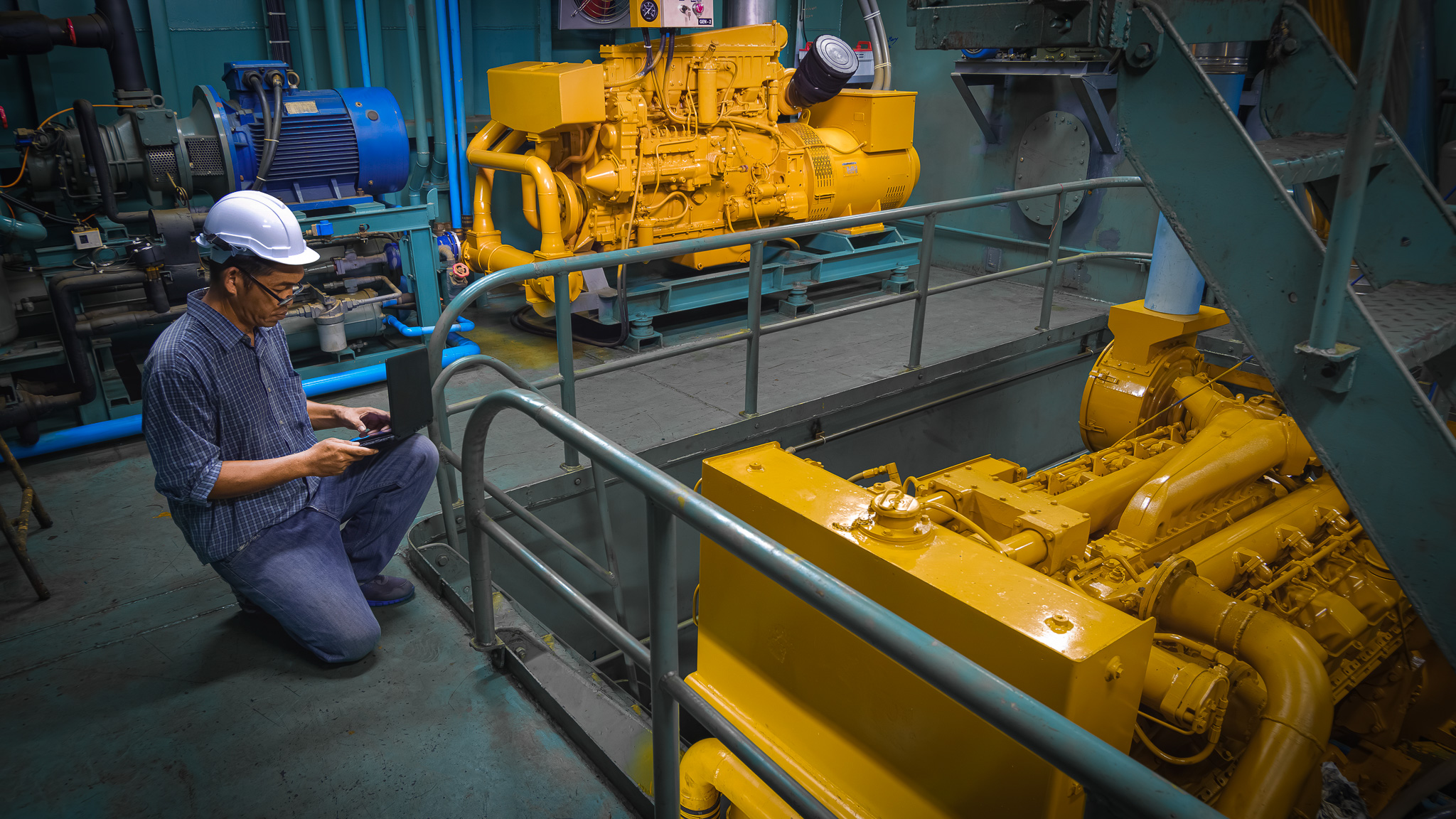
Engines operating under heavy loads generate far more heat than typical passenger vehicles. Trucks, construction equipment, and generators running for long periods place greater stress on the cooling system.
Heavy-duty coolant is designed to handle these conditions by maintaining stable thermal performance and resisting chemical breakdown during extended operation. While standard antifreeze works well for normal driving, it can degrade faster under high temperatures and continuous workloads. Heavy-duty coolant provides more reliable protection in demanding operating environments.
Service Life and Maintenance Requirements
Another key difference between heavy-duty and standard antifreeze is expected service life. In passenger vehicles, antifreeze is typically replaced every two to five years, depending on the formulation and manufacturer recommendations.
Heavy-duty cooling systems are often designed for longer service intervals. Many heavy-duty coolant formulations can operate for extended periods when supported by proper filtration and regular monitoring.
Maintenance teams typically monitor several factors when managing coolant systems:
-
Coolant condition and additive levels
-
Contamination from rust or debris
-
Proper coolant concentration
-
Manufacturer-recommended service intervals
Because heavy-duty engines operate continuously in demanding conditions, monitoring coolant quality is essential. In many cases, heavy-duty coolants can support longer service periods when properly maintained.

Choosing the Right Coolant
Different vehicles require cooling systems suited to their operating demands. Passenger cars and light trucks typically use standard antifreeze for moderate loads and routine driving.
Heavy-duty vehicles and machinery require coolants engineered for intense workloads. Common applications include:
-
Long-haul diesel trucks
-
Construction and earthmoving equipment
-
Agricultural tractors and harvesters
-
Industrial generators and stationary engines
An effective antifreeze comparison shows that the right coolant depends on engine design, workload, and maintenance practices, ensuring reliable temperature control and longer service life.

The Importance of Choosing the Right Engine Coolant
Choosing the right coolant may seem simple, but it has a lasting impact on engine reliability. Coolant chemistry directly affects corrosion resistance, heat transfer, and overall system performance.
Heavy-duty coolant ensures stable cooling under sustained heavy workloads, while standard antifreeze may not provide sufficient protection for high-load diesel engines.
A proper antifreeze comparison helps match coolant to engine demands, reducing overheating, preventing internal corrosion, and extending engine life. The right coolant safeguards both the cooling system and the engine, supporting reliable operation under all conditions.