Engineered for Excellence Across Recreation:Choosing the Right Lubricants
A recreational vehicle usually gets used when people want to enjoy their time, not spend it dealing with a mechanical problem. The same goes for boats heading out for a weekend, motorcycles preparing for a long ride, and off-road vehicles being taken onto unfamiliar terrain.
Yet these machines can face demanding conditions. Engines may spend hours running at elevated speeds, vehicles may sit unused between trips, and equipment can move from cool mornings to hot operating conditions in a matter of hours. Even when a machine isn’t used commercially, its engine still depends on proper lubrication to perform as intended.
That makes lubricant selection an important part of recreational equipment ownership. Recreational lubricants need to match the engine’s requirements and the way the equipment is used, whether that means everyday driving, occasional towing, extended rides, or seasonal operation.
Excellence in this setting isn’t about chasing performance claims. It’s about choosing suitable products, following sensible maintenance practices, and giving the equipment what it needs to keep working reliably.
Overview
- Recreational equipment faces changing loads, weather, and operating conditions that put engine components under pressure.
- The right lubricants help reduce wear, manage friction, and keep engines cleaner.
- Regular inspections and manufacturer-recommended service intervals are essential for dependable performance.
- Matching lubricant specifications to the equipment matters more than choosing a product based on price or branding alone.
Recreation Demands More From Equipment Than It May Seem
Recreational equipment often has a less predictable operating pattern than a vehicle used for a daily commute. One weekend might involve short trips, while the next could mean several hours of highway driving or extended operation away from home.
That variation affects maintenance.
An engine that spends long periods under load faces different demands from one that makes occasional short journeys. Equipment stored through the winter may also need additional attention before returning to regular use.
Owners should consider how their machines are actually operated rather than relying on assumptions about recreational use being light-duty.
Some common factors include:
- Extended rides and long trips can keep engines working for hours at a time.
- Towing, carrying passengers, or traveling over rough terrain can increase engine demand.
- Hot weather and cold starts can affect how an engine operates.
- Long periods without use can make pre-season inspections particularly important.
- Missed oil changes or neglected inspections can create problems that become apparent during the next outing.
Understanding these conditions makes it easier to build a maintenance routine around the equipment’s actual needs.


Why Lubricant Quality Matters for Engine Protection
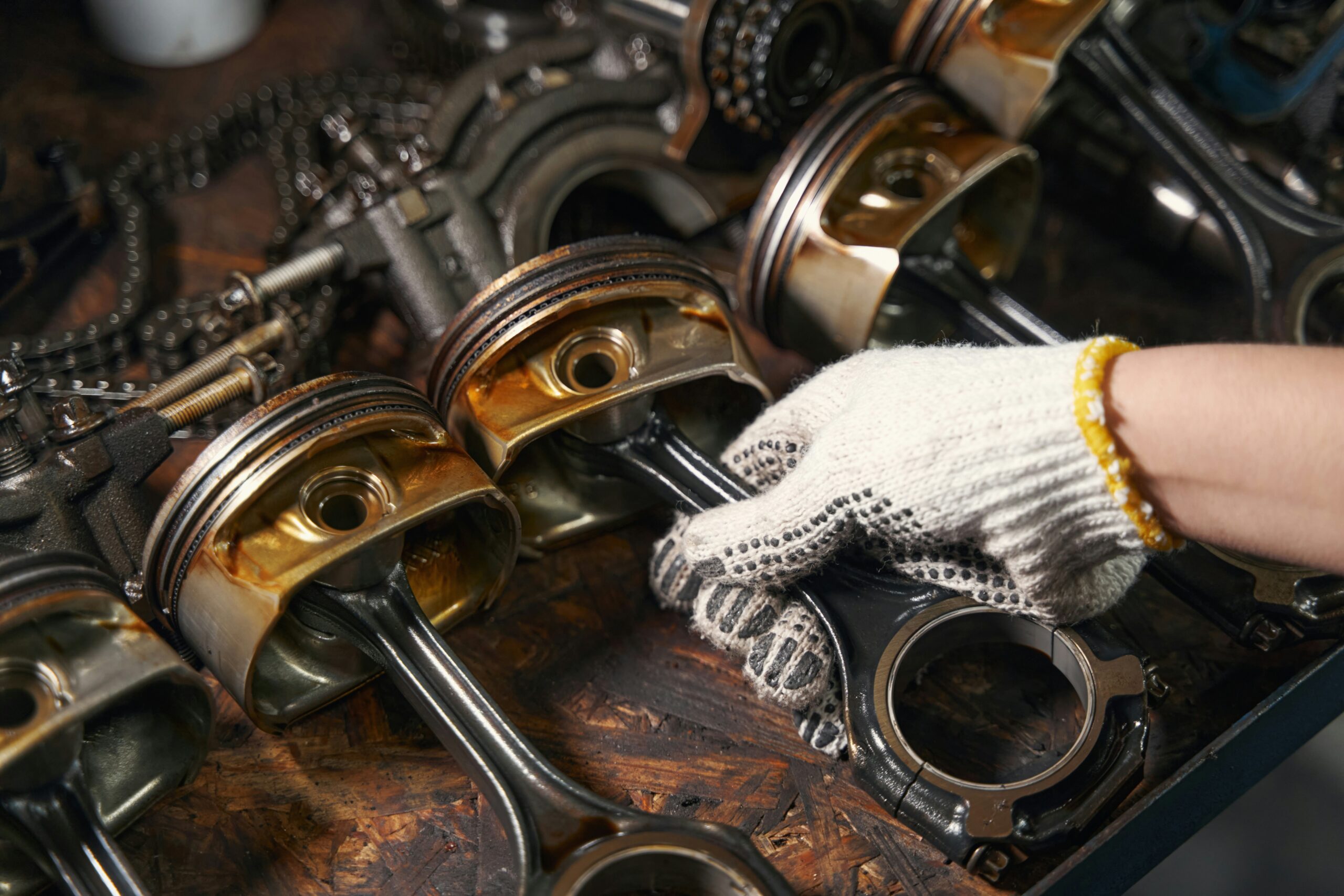
Inside an engine, moving components depend on a suitable lubricant to reduce friction and limit metal-to-metal contact. Oil also helps carry heat away from certain components and, depending on its formulation, helps keep contaminants suspended so they can be removed during service.
The lubricant has to maintain its intended properties while the engine is operating. If the wrong viscosity is used or the oil has deteriorated beyond its service life, the engine may not receive the protection intended by its manufacturer.
This is where high-performance lubricants can play an important role. Their value comes from the formulation and specifications they meet, not simply from the label on the container.
When selecting engine oil, owners should pay attention to:
- The viscosity grade specified in the owner’s manual.
- The required API or ILSAC performance category, where applicable.
- Whether the engine is gasoline-powered or diesel-powered.
- The expected operating conditions.
- The recommended oil and filter replacement interval.
A premium lubricant is not automatically suitable for every engine. The correct product is the one that meets the engine’s requirements and provides the intended protection under its operating conditions.
Different Recreational Applications Need Different Lubrication Choices
Recreational equipment covers a broad range of machines, and their lubrication requirements can vary considerably.
A passenger vehicle used for weekend road trips may require a different oil specification from a motorcycle, boat engine, or off-road machine. Even vehicles with similar engine sizes can have different requirements because of their design and operating conditions.
For example, some modern gasoline engines use relatively low-viscosity oils to meet specific efficiency and engine protection requirements. Other equipment may require a lubricant designed for a different operating cycle or engine type.
Before buying oil, check the manufacturer’s recommendations for the specific machine.
It’s also worth remembering that a lubricant suitable for one engine may not be appropriate for another. Automotive engine oil, motorcycle oil, and marine engine oil should not be treated as interchangeable unless the equipment manufacturer explicitly permits that use.
A few minutes spent checking the manual can prevent an avoidable mistake.
How Driving Habits Affect Lubricant Performance
Two vehicles with the same engine can put very different demands on their oil. One might spend most of its time cruising at steady highway speeds, while another makes frequent short trips, sits in traffic, or spends weekends towing a trailer. Those differences affect how the engine operates and can influence lubricant service requirements.
Short trips deserve particular attention. An engine that repeatedly starts cold and shuts down before reaching its normal operating temperature may have less opportunity to evaporate accumulated moisture and fuel contaminants from the oil. Meanwhile, extended operation under heavy loads can place additional demands on the lubricant.
For recreational equipment owners, a few practical habits can make maintenance easier:
- Follow the manufacturer’s service schedule, including any guidance for severe operating conditions.
- Check oil levels before longer trips when recommended.
- Pay attention to changes in engine noise or operating temperature.
- Avoid extending oil change intervals simply because the equipment is used infrequently.
- Check the maintenance requirements before towing or operating under unusually heavy loads.
The key is to maintain the equipment according to how it is actually used. Recreational vehicles may accumulate mileage slowly, but time, operating conditions, and repeated cold starts can still matter when determining the appropriate service interval.
How Regular Maintenance Keeps Recreational Equipment Ready
Even a well-formulated lubricant cannot compensate for neglected maintenance. Oil gradually accumulates contaminants and experiences chemical changes during service, so replacement intervals still matter.
The maintenance schedule should reflect the manufacturer’s recommendations, including any adjustments for severe operating conditions. Short trips, heavy loads, dusty environments, and extended operation may affect the service requirements for some equipment.
A practical maintenance routine should include:
- Checking the oil level before longer trips when recommended by the manufacturer.
- Inspecting for leaks around the engine and accessible connections.
- Replacing the oil filter at the specified interval.
- Recording oil changes and other routine services.
- Paying attention to unusual engine noise or changes in performance.
- Checking equipment before returning it to service after extended storage.
Oil level deserves particular attention. Too little oil can compromise lubrication, while overfilling can also create problems in some engines. Always use the manufacturer’s procedure when checking the level.
Consistent maintenance is often less expensive and less disruptive than dealing with a preventable mechanical failure during a trip.
Making the Right Product Choice for Recreational Use
Choosing a lubricant doesn’t need to be complicated, but it does require more than picking the first product that appears suitable.
Owners should start with the equipment specifications and then consider how the machine is used. Someone who drives a car on weekend trips has different operating patterns from someone who regularly tows a trailer or spends hours on rough trails.
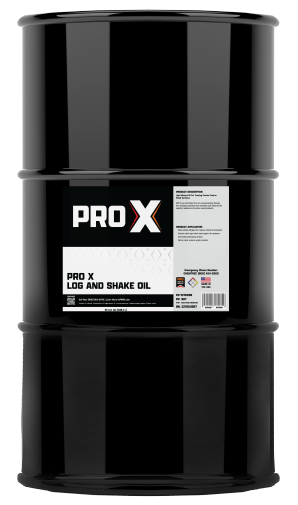
For gasoline-powered cars and light trucks that specifically require synthetic 5W-20 oil, PRO X FULL SYNTHETIC 5W20 is one option formulated for engine cleanliness, wear control, oxidation control, and other performance requirements stated by the manufacturer. Its suitability depends on the engine’s required specification and viscosity grade.
Regardless of the brand selected, a few habits make lubricant decisions more reliable:
- Read the owner’s manual before choosing an oil.
- Confirm the required viscosity and performance category.
- Avoid mixing products unless compatibility is established.
- Keep track of service dates and mileage or operating hours.
- Buy products from reputable sources and follow storage instructions.
A little preparation helps ensure that the lubricant supports the equipment rather than becoming another variable to troubleshoot.

Engineered Excellence Starts With Consistent Care
Recreational equipment should be ready for the occasions when its owners want to use it. Reliable performance depends on several things working together: appropriate lubrication, sound mechanical condition, regular inspections, and timely maintenance.
The right recreational lubricants help protect engine components when matched to the equipment’s specifications. Meanwhile, suitable high-performance lubricants can provide the properties needed for demanding operation, but they still need to be used correctly and replaced at the recommended intervals.
It’s easy to focus on horsepower, acceleration, or the next upgrade. The less exciting work, checking oil levels, following service schedules, and using the right specification, often has a more direct effect on long-term reliability.
Engineered excellence across recreation ultimately comes down to preparation and consistency. Take care of the equipment before the next ride, trip, or outing, and it has a better chance of being ready when the opportunity arrives.