
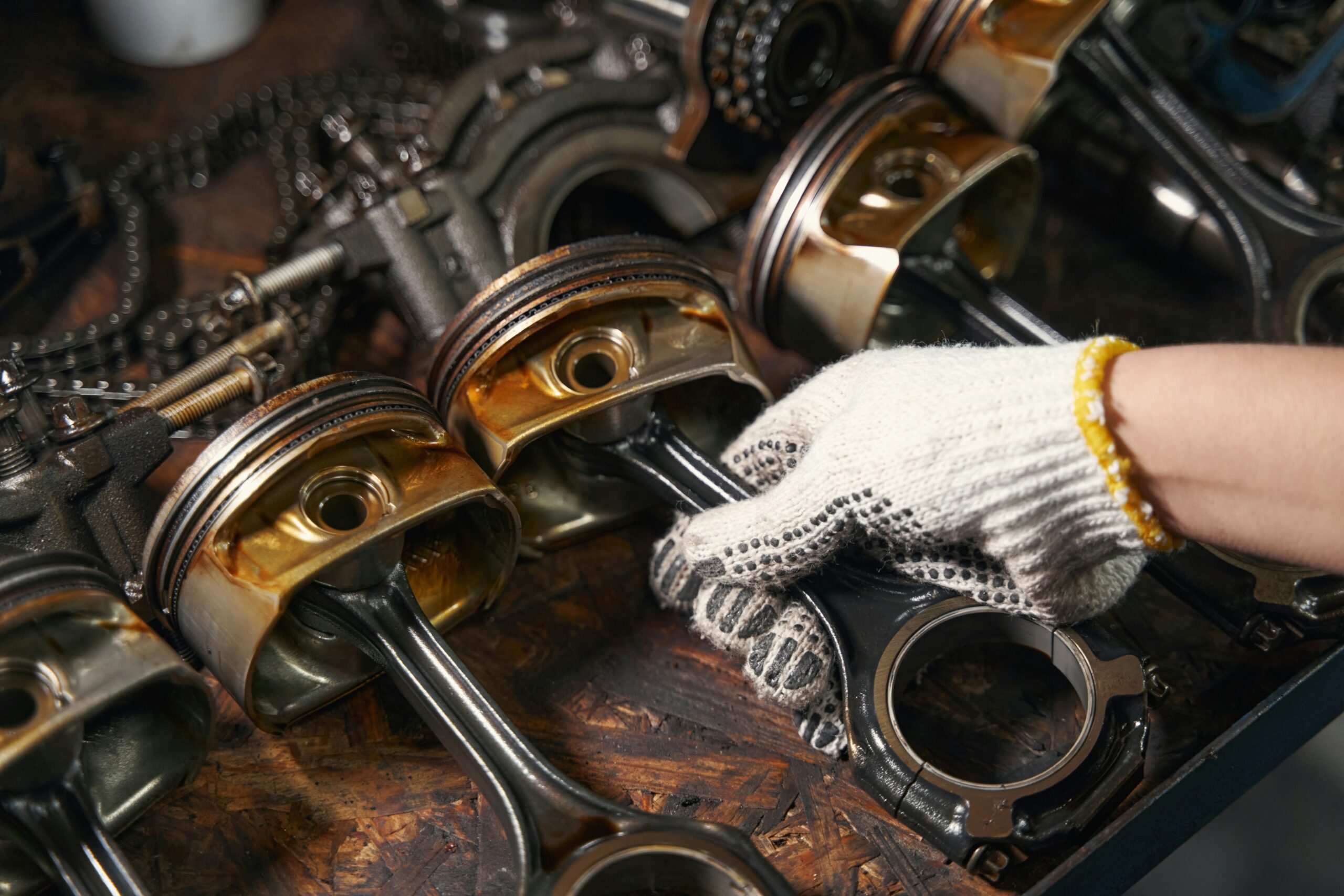
Choosing the Right Industrial Solvent for Your Operation
Industrial solvent selection is rarely a universal decision. While it may initially appear straightforward—select a product that removes grease and soil and proceed—the reality is more complex. Different operations involve varying types of buildup, materials, and working conditions, requiring a solvent that is appropriately matched to the application without creating unintended issues.
In industrial use, solvents are often applied in routine cleaning tasks and may come into direct contact with surfaces, seals, and coatings, as well as the surrounding workspace. An incorrect selection may not cause immediate failure, but over time it can contribute to material degradation, performance inconsistencies, or variability in results.
In maintenance-focused operations, the objective extends beyond cleaning. The primary requirement is to support equipment reliability. The selected solvent must perform its function effectively while remaining compatible with other system components and processes.
Understanding What Needs to Be Removed
Before selecting a solvent, it is essential to first identify the type of contamination being addressed. Residues do not behave uniformly. Some dissolve readily, others require more targeted chemical action, and some may smear or redistribute if an incompatible product is used.
Oil, grease, carbon deposits, and fine particulate matter each respond differently to cleaning agents. A solvent effective for one type of residue may be significantly less effective for another.
At this stage, proper industrial solvent selection becomes critical. The determining factor is not simply product strength, but chemical compatibility with the specific type of buildup present.
In maintenance operations, this step is often overlooked due to the assumption that a single product can address all cleaning requirements. In practice, aligning the solvent with the residue type improves consistency, reduces variability in results, and minimizes unnecessary rework.
Why Surface Compatibility Matters in Industrial Solvent Selection
Cleaning extends beyond the removal of buildup; it also involves preserving the integrity of the underlying surface. While some materials are unaffected by solvent exposure, others may experience long-term reactions depending on chemical compatibility.
Metals, plastics, rubber components, and protective coatings each respond differently to cleaning agents. A solvent suitable for metal surfaces may not be appropriate for seals, elastomers, or painted finishes.
Over time, these differences can become more significant. Even subtle incompatibilities may contribute to gradual surface wear, reduced durability, or changes in material performance, particularly when the selected solvent is not properly matched to the application.
To mitigate these risks, industrial solvent selection should prioritize material compatibility alongside cleaning performance. The objective is to maintain effective cleaning while minimizing unnecessary surface impact.
In operations with frequent maintenance chemical use, this balance is an important factor in supporting long-term equipment consistency and reliability.

How Conditions Impact Industrial Solvent Performance
Solvent performance can vary significantly depending on the operating environment. Factors such as temperature, airflow, and exposure conditions all influence how a product behaves during application.
For instance, a solvent that evaporates rapidly in one setting may perform differently under alternative conditions. In colder environments, evaporation rates tend to slow, extending contact time. In higher-temperature environments, evaporation may occur too quickly, potentially limiting cleaning effectiveness.
Key factors that influence solvent performance include:
- Ambient temperature during application
- Ventilation and airflow within the workspace
- Exposure to dust, moisture, or other contaminants
- Frequency of repeated cleaning cycles
While these variables may not always drastically alter outcomes, they can impact overall consistency and repeatability.
Selecting an industrial solvent with these environmental conditions in mind helps support more predictable performance. In operations that rely on multiple maintenance chemicals, this approach also helps reduce variability across shifts, sites, and applications.
Balancing Strength with Control
Using more solvents does not always improve cleaning. Overly aggressive or multiple products can lead to unnecessary surface impact and added complexity.
In most operations, consistency is more important than speed. A controlled, predictable solvent that removes only what is needed is typically more effective long term.
The goal is balance—effective cleaning without overuse, rework, or unintended effects. With multiple maintenance chemicals in play, clear product roles help keep processes simple and consistent.

Safety and Handling Considerations
Solvents are effective due to their chemical properties, but those same properties require proper handling. Safety is not only about compliance—it is about understanding product behavior in routine use. In many cases, risks arise less from the solvent itself and more from inconsistent or careless handling over time.
Key safety practices include:
- Using solvents in well-ventilated areas
- Avoiding inhalation during application
- Preventing skin and eye contact
- Keeping products away from ignition sources
While these practices are standard, they become especially important with frequent use. Routine application can lead to reduced attention to precautions, where small lapses—such as limited ventilation—can accumulate into larger issues over time.
Proper handling of industrial solvents helps ensure cleaning remains a controlled, routine process rather than a source of risk. It also supports more consistent results through correct application.
In operations where maintenance chemicals are used regularly, consistent safety practices help maintain stable, predictable workflows without disrupting efficiency.

Avoiding Common Selection Mistakes
Solvent selection is often made quickly, which can lead to small but costly mistakes over time.
Common issues include:
- Choosing based on availability instead of suitability
- Using one product for all tasks
- Ignoring material compatibility
- Overlooking operating conditions
These choices may not show immediate effects, but they reduce consistency over time and can impact surface wear, cleaning effectiveness, and maintenance schedules.
Using the correct industrial solvent for each application improves reliability, reduces rework, and avoids unnecessary chemical exposure. With multiple maintenance chemicals in use, consistent selection helps simplify operations and improve overall efficiency.

Keeping Solvent Use Consistent Across Operations
Consistency often matters more than the solvent itself. Different application methods can create different results, even with the same product.
Standardizing how an industrial solvent is used reduces variation between operators and shifts, making results more repeatable and predictable.
For operations using maintenance chemicals, this improves coordination, reduces waste, and helps prevent small issues from being missed. Over time, it leads to more stable equipment performance and fewer adjustments.
