

Bulk Lubricants vs Packaged Products for Businesses
For most operations, lubricant selection involves more than choosing the right product. It also includes how that product is supplied and managed. Whether lubricants are delivered in bulk or in packaged containers can directly impact storage, handling, and overall workflow.
At a glance, the choice between bulk and packaged lubricants may seem straightforward—bulk offers efficiency at scale, while packaged options provide convenience. In practice, the right choice depends on how an operation functions day to day.
Some businesses rely on centralized storage and high-volume usage, while others require flexibility and ease of handling across multiple applications. Aligning lubricant supply with operational needs helps reduce inefficiencies and limits the need for future adjustments.
The Difference in Supply Formats
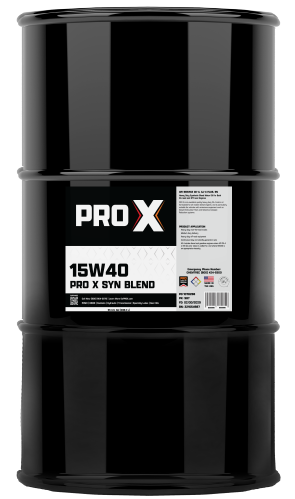
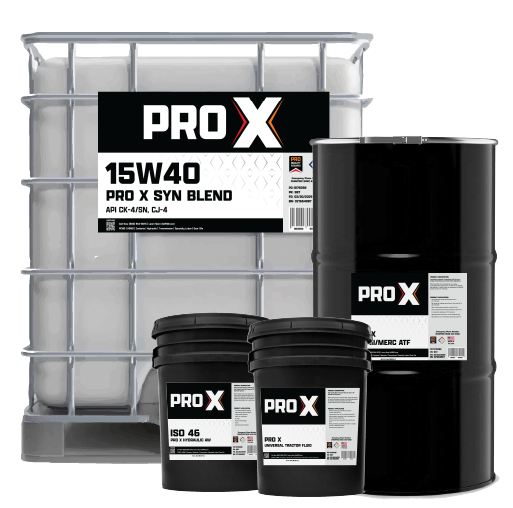
The primary difference between bulk and packaged lubricants lies in how the product is stored, accessed, and used. Bulk lubricants are typically stored in large tanks or containers and dispensed as needed, while packaged lubricants are supplied in smaller units such as drums, pails, or bottles.
This distinction directly affects handling and accessibility. Bulk systems often require dedicated storage and dispensing equipment, whereas packaged products can be used more immediately with minimal setup.
Neither option is universally better. The right choice depends on usage frequency and how centralized the operation is.
Operations with consistent, high-volume demand across multiple systems often benefit from bulk lubricants. In contrast, packaged lubricants are typically better suited for operations that require flexibility or manage a wider range of products.
Storage Requirements and Space Considerations
One of the first practical differences businesses notice between bulk and packaged lubricants is storage. Bulk lubricants require dedicated storage systems, such as tanks or large containment units, which must be carefully planned for space, accessibility, and infrastructure.
In contrast, packaged lubricants offer greater flexibility. They require less dedicated space and can be distributed more easily across different areas of an operation.
Key storage considerations include:
- Available space for tanks or containers
- Ease of access for daily use
- Storage conditions and protection requirements
- Organization and labeling systems
With bulk lubricants, storage is typically centralized. This can streamline inventory management but requires more upfront planning and infrastructure.
Packaged lubricants support a more decentralized storage approach. While this increases flexibility, it may require additional coordination to maintain inventory control and ensure availability.

Handling and Usage Efficiency
Handling plays a key role in day-to-day lubricant operations. Bulk lubricants are typically dispensed through dedicated pumping systems designed for continuous use, helping streamline processes in high-volume environments.
Packaged lubricants are handled individually, making them well-suited for smaller applications or operations where access points are spread across different locations.
From an efficiency standpoint:
- Bulk systems reduce the need for frequent manual handling
- Packaged products support quick, localized application
- Bulk dispensing enables consistent application practices
- Packaged units minimize setup requirements
For operations with consistent, high-volume demand, bulk lubricants often simplify workflows and improve efficiency. For operations with lower or more varied usage, packaged lubricants provide flexibility without requiring additional infrastructure.
Cost Considerations Over Time
Cost is not just about the initial price but also long-term usage, storage, and handling requirements.
Bulk lubricants often provide cost advantages in high-volume applications due to reduced packaging and centralized management. Packaged lubricants may have a higher cost per unit but can reduce infrastructure and storage needs, making them suitable for smaller operations.
Key cost factors include:
- High-volume use favoring bulk supply
- Smaller or varied usage aligning with packaged options
- Storage and handling impacting total cost
- Efficiency and waste affecting long-term value
The decision should go beyond unit price and focus on how each option fits daily operational needs.

Risk of Contamination and Product Integrity
Maintaining product quality is essential regardless of whether lubricants are supplied in bulk or packaged formats. Each option presents different handling considerations that can impact consistency.
Bulk systems depend on proper storage and dispensing practices to prevent contamination and maintain product integrity. When managed correctly, they provide consistent quality over time.
Packaged lubricants reduce exposure prior to use, but repeated handling or improper storage can introduce variability.
Key considerations include:
- Cleanliness of bulk storage and dispensing systems
- Proper sealing and handling of packaged containers
- Protection from adverse storage conditions
- Consistent handling practices during use
With bulk lubricants, system cleanliness is critical to preserving quality. With packaged lubricants, careful handling helps ensure the product remains consistent from storage to application.

Aligning Lubricant Supply with Operational Structure
Not all businesses operate the same way, so supply format should align with operational structure rather than preference.
Centralized, high-demand operations often benefit from bulk systems due to steady usage and reduced handling needs. Decentralized or variable operations are often better suited to packaged products, which offer flexibility without added infrastructure.
The choice between bulk and packaged lubricants should focus on how the operation functions day to day, with the goal of simplifying processes rather than adding complexity.

Long-Term Practical Considerations
Over time, the choice between bulk and packaged lubricant supply becomes part of overall operations, affecting workflow, storage, and maintenance.
Bulk systems support consistency in high-volume environments, while packaged products provide flexibility for varied applications. Neither option is inherently better—performance depends on alignment with usage needs.
The priority is operational stability. Whether bulk or packaged, lubricants should remain available, reliable, and consistent.
When properly aligned, the supply format becomes a seamless part of the system rather than an ongoing adjustment point.
