Coolant Maintenance Tips for Construction Fleets
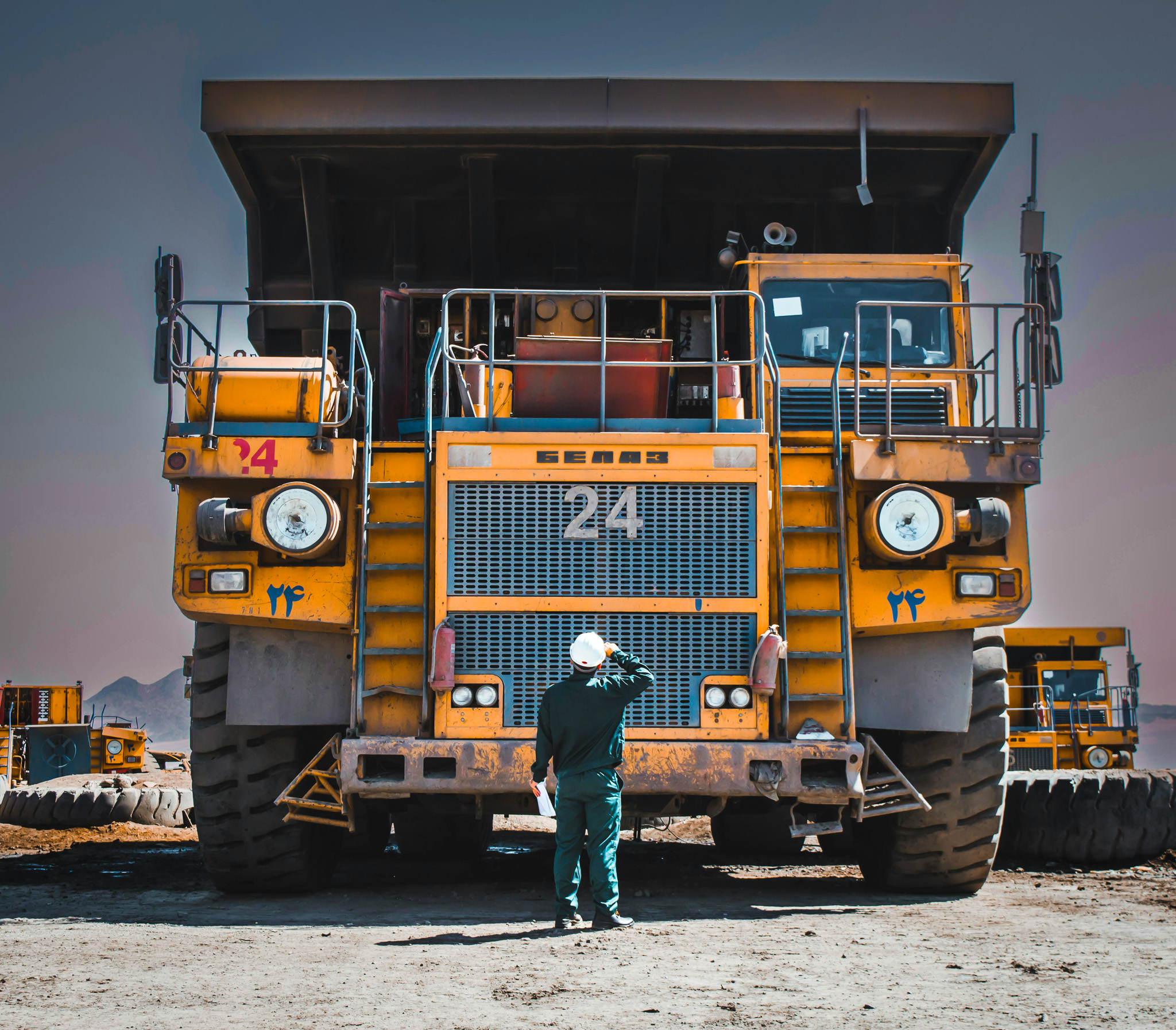
An excavator working through a long shift on a dusty construction site has very different operating conditions from a truck traveling on an open highway. Radiators collect dirt, engines run under heavy loads, and machines may spend hours working in high ambient temperatures. Even a relatively small cooling-system problem can interrupt an entire job.
For construction companies, these conditions make coolant maintenance an important part of keeping machinery available. A machine that repeatedly overheats or loses coolant can affect project schedules, increase repair expenses, and put additional pressure on the maintenance team.
Effective construction fleet maintenance involves more than servicing engines and replacing worn components. The condition of the cooling system deserves regular attention, especially when equipment operates in demanding environments. A practical maintenance routine can help protect heavy equipment, reduce avoidable failures, and keep machines ready for work.
Overview
- Dust, high workloads, and long operating hours put additional pressure on construction cooling systems.
- Regular coolant inspections help identify leaks, contamination, and declining fluid condition.
- Correct coolant selection supports corrosion protection and reliable temperature control.
- A consistent maintenance routine helps reduce downtime across construction fleets.
Why Construction Equipment Places Extra Demands on Cooling Systems
Construction machinery rarely operates under uniform conditions. An excavator may spend hours digging, a wheel loader may repeatedly move heavy material, and a bulldozer may work continuously across rough terrain. These activities generate substantial engine heat.
At the same time, construction sites expose equipment to dust, mud, debris, and high outdoor temperatures. Radiator surfaces can become restricted, reducing airflow and making it harder for the system to release heat. Long operating hours also mean that components have fewer opportunities to cool down between work cycles.
These conditions make coolant systems particularly important. They circulate coolant through the engine to absorb heat and transfer it toward the radiator, where it can be released into the surrounding air.
When circulation or heat transfer becomes less effective, engine temperatures can rise. Repeated overheating may eventually affect gaskets, seals, hoses, and other engine components.
Construction companies should therefore treat cooling-system inspections as part of routine construction fleet maintenance, rather than waiting for a temperature warning or equipment breakdown.


Keep Radiators and Cooling System Components Clean
A radiator cannot release heat effectively if its external surfaces are covered with dirt and debris. This is a common concern on construction sites, where airborne dust, grass, mud, and other material can collect around cooling components.
Even when coolant levels are correct, restricted airflow can contribute to higher operating temperatures. Cleaning the radiator and checking surrounding components should therefore be part of regular servicing.
Technicians should pay attention to:
- Dust and debris trapped between cooling surfaces.
- Bent or damaged radiator fins.
- Blocked air passages.
- Damaged fan blades or fan guards.
- Loose or deteriorating hoses.
- Signs of external coolant leakage.
Cleaning methods should follow the equipment manufacturer’s recommendations. Excessive water pressure or unsuitable cleaning tools can damage radiator fins and create another maintenance problem.
The surrounding area also deserves attention. Some machines operate in conditions where dust accumulates quickly, meaning a radiator that was clean during the previous inspection may already need attention again. Inspection frequency should reflect actual working conditions rather than relying entirely on a fixed calendar schedule.
Monitor Coolant Levels and Investigate Fluid Loss
Checking coolant levels is a simple task, but it can reveal problems before they develop into serious failures. A level that repeatedly drops may indicate a leak, a damaged hose, a failing radiator connection, or another cooling-system issue.
Operators should be encouraged to report unusual coolant loss instead of treating frequent top-offs as normal. Adding more fluid may temporarily restore the level, but it does not address the reason the system is losing coolant.
A useful daily or pre-shift check includes:
- Checking the coolant reservoir according to the manufacturer’s instructions.
- Looking for wet spots or dried coolant residue.
- Inspecting visible hoses and connections.
- Noting repeated changes in coolant level.
- Reporting temperature warnings or unusual operating behavior.
Cooling systems should only be opened when it is safe to do so. Hot systems can remain pressurized, and removing a radiator cap while the engine is hot can release scalding coolant or steam. Technicians should follow the equipment manufacturer’s safety procedure and allow the system to cool before opening it.
Keeping records of coolant top-offs is also useful. If one excavator requires repeated additions while similar machines do not, that difference deserves investigation. Such records help maintenance teams identify recurring issues and make better decisions about construction fleet maintenance priorities.
Choose Coolant That Matches the Equipment Requirements
Not every coolant is suitable for every machine. Construction fleets often include equipment from different manufacturers, with different engine designs and cooling-system requirements. Choosing a product based only on its color or advertised service life can lead to compatibility problems.
Coolant formulations use different inhibitor technologies, including conventional, Organic Acid Technology (OAT), and hybrid chemistry. These formulations are designed to provide different types of protection. Some heavy-duty diesel applications, for example, require additional protection against cylinder liner pitting.
The correct product should meet the engine manufacturer’s specifications. This becomes especially important when a fleet includes older machines alongside newer equipment.
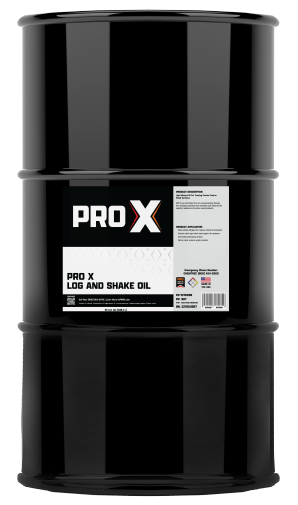
For suitable applications, PRO X HD 50/50 A/F GREEN is a conventional heavy-duty coolant formulated for protection against freezing, overheating, corrosion, and liner pitting. Its formulation includes supplemental coolant additives and nitrite for heavy-duty protection. It is intended for applications that include trucks, off-road and mining equipment, agricultural machinery, and generators.
Before introducing a product across several machines, maintenance managers should confirm that it meets the specifications of each application. Coolants should not be mixed simply because they have similar colors or concentrations. If the existing fluid is unknown, its identity and compatibility should be established before topping off or changing the system.
Correct product selection is a central part of coolant systems management. The right formulation helps provide the protection the engine was designed to receive.
Test Coolant Condition Instead of Relying on Appearance
Coolant can look clean and still have lost some of its protective properties. During operation, inhibitor additives gradually change as they perform their intended functions. Heat, contamination, and extended service can also affect fluid condition.
This is why visual inspection alone is not enough. Testing should be carried out using methods suitable for the coolant technology, with results compared against the product manufacturer’s recommendations.
Depending on the formulation and application, maintenance teams may need to monitor freeze protection, inhibitor concentration, and other relevant coolant properties. Heavy-duty diesel engines using supplemental additives may require specific testing and replenishment procedures.
A consistent testing routine helps identify declining protection before it contributes to corrosion or other cooling-system damage. It also provides a better basis for deciding when coolant needs attention instead of replacing fluid unnecessarily.
For construction businesses operating several machines, keeping test results with individual equipment service records makes it easier to identify patterns. A machine that repeatedly shows unusual readings may have a contamination problem, an incorrect coolant mixture, or another underlying issue.
This approach supports more effective coolant systems management and helps maintenance teams make decisions based on actual fluid condition.
Build Coolant Inspections Into the Fleet Maintenance Schedule
Cooling-system work is easier to manage when it is included in the normal maintenance schedule. If inspections happen only after an overheating incident, technicians are left responding to problems rather than identifying them early.
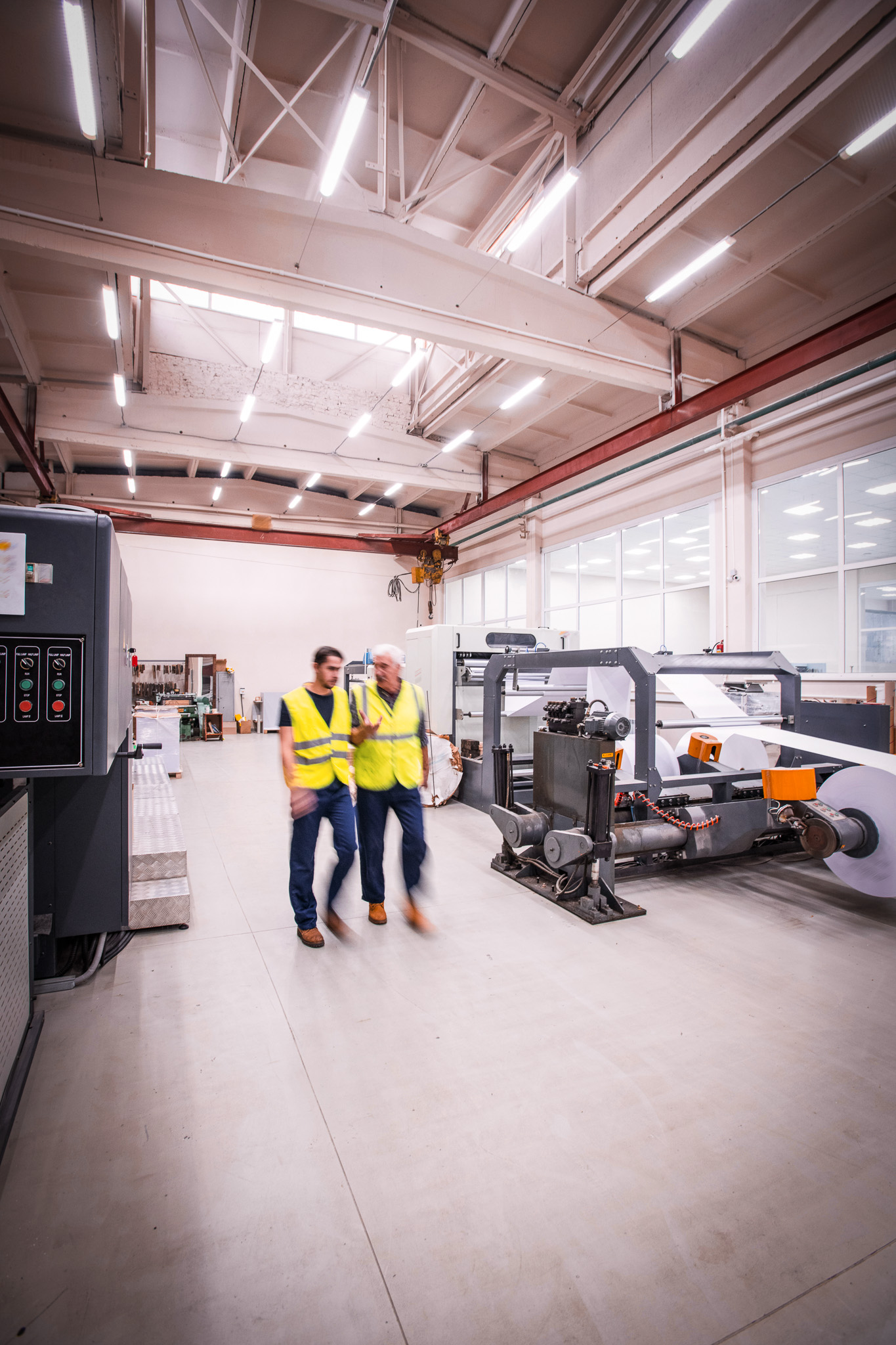
Construction fleets often operate across multiple sites, and maintenance responsibilities may be shared between workshop technicians, equipment operators, and field service personnel. A consistent inspection process helps everyone understand what needs attention and when.
The schedule should account for operating hours, equipment type, manufacturer recommendations, and jobsite conditions. A loader working in heavy dust may need more frequent radiator cleaning than a machine operating in a cleaner environment. Similarly, coolant testing and replacement intervals should follow the relevant product and engine instructions.
Maintenance teams should also record coolant changes, test results, leaks, and recurring temperature problems. These records are particularly useful when machines move between projects or receive servicing from different technicians.
Good construction fleet maintenance is not about performing every task as frequently as possible. It is about identifying what each machine needs and completing the work before a minor issue becomes a major interruption.

Protecting Construction Equipment Starts With Consistent Coolant Care
Construction machinery is expected to perform in conditions that are often far from ideal. Long shifts, heavy workloads, dust, and high temperatures all place additional demands on engine cooling. Without proper attention, these conditions can contribute to overheating, corrosion, and avoidable component damage.
A dependable maintenance routine starts with simple practices: keep radiators clean, monitor coolant levels, investigate leaks, test fluid condition, and use products that meet the equipment manufacturer’s requirements.
For businesses managing multiple machines, these practices should be part of a wider construction fleet maintenance plan. Properly maintained coolant systems contribute to better engine protection, while helping heavy equipment remain available for demanding jobs.
The cooling system may not receive as much attention as the engine or drivetrain, but its condition has a direct effect on how reliably a machine performs. Giving it consistent attention can help construction companies reduce interruptions, control maintenance costs, and keep projects moving.