
The Role of Coolants in Agricultural Equipment Reliability
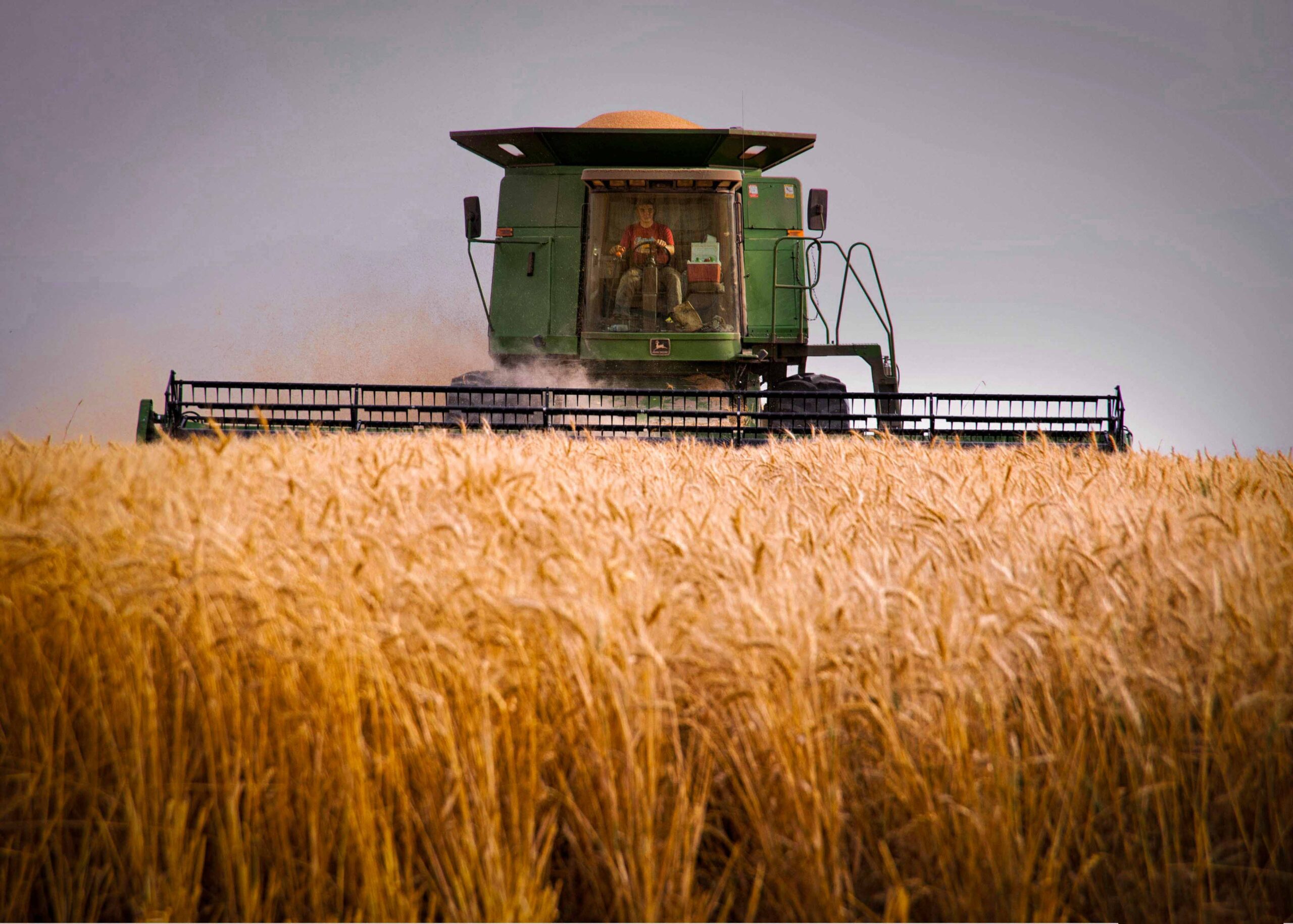
Farm equipment tends to work hardest when there’s the least time to deal with a breakdown. A tractor may spend hours pulling implements across a field, a combine can run through long harvesting days, and other machines may operate continuously when weather and crop conditions finally line up.
Those working conditions put plenty of demand on the engine and its cooling system.
The coolant circulating through that system has an important job. It helps carry heat away from the engine while providing protection for the cooling system itself. When coolant is neglected, small problems can become much more noticeable once a machine is working under a heavy load.
For farmers and equipment managers, proper agricultural equipment coolant selection and regular farm maintenance are practical parts of keeping machines ready for the next field operation.
Overview
- The right agricultural equipment coolant helps transfer heat and provides required cooling-system protection during demanding farm work.
- Long operating hours and heavy engine loads can place greater demands on cooling systems.
- Regular coolant checks should be part of routine farm maintenance.
- Low coolant levels, leaks, and restricted airflow can reduce cooling performance.
- Coolant selection should follow the equipment manufacturer’s requirements.
- Consistent cooling system care can support agricultural equipment reliability.
Farm Equipment Operates Under Demanding Conditions
Agricultural equipment can spend long periods operating at substantial engine loads. Towing, tilling, planting, harvesting, and other field work can keep an engine working hard for hours at a time.
Ambient conditions can add another challenge. A tractor working in direct sunlight during a hot afternoon has to deal with more than the heat generated by the engine itself. Dust, crop residue, and debris can also collect around cooling components and restrict airflow.
These conditions place greater demands on the cooling system as it manages engine heat.
A machine may appear perfectly healthy during a short inspection, yet develop temperature problems after several hours under load. That’s one reason cooling-system condition deserves attention before peak work begins rather than after an overheating event.


Choosing the Right Agricultural Equipment Coolant
Not every coolant is appropriate for every tractor, combine, or agricultural machine.
Different engines can have different coolant specifications and service requirements. The equipment manufacturer’s recommendations should therefore be the starting point for selecting an agricultural equipment coolant.
Maintenance teams should consider:
- The coolant specification recommended by the manufacturer
- The required coolant technology
- Required freeze and boil protection for expected operating conditions
- Recommended service intervals
- Existing coolant type and condition
- Compatibility before adding a different formulation
Color shouldn’t be used as the deciding factor. Similar-looking coolants can have different formulations, so choosing a product simply because it looks like the fluid already in the reservoir can lead to unnecessary compatibility problems.
For farm operations with multiple machines, keeping coolant products clearly identified can make routine servicing much easier.
Coolant Condition Matters as Much as Coolant Level
Seeing coolant in the reservoir doesn’t necessarily mean the cooling system is in good condition.
Coolant remains exposed to repeated heating and cooling cycles while the equipment operates. Over time, coolant additives can become depleted and the fluid’s condition can change, depending on the formulation, operating conditions, and service interval.
That’s why farm maintenance should include more than checking whether the reservoir is full.
Technicians and equipment operators should pay attention to:
- Changes in coolant level
- Visible leaks around hoses and connections
- Unusual coolant appearance or contamination
- Deposits around cooling system components
- Changes in normal engine temperature
- The age and service history of the coolant
Repeated coolant loss deserves investigation rather than repeated top-offs. A leaking hose, damaged connection, or another cooling-system issue can reduce coolant levels and may eventually affect cooling performance if it is not corrected.

Keep Agricultural Cooling Systems Clear
A cooling system needs more than the right fluid. It also needs adequate airflow.
Farm equipment operates around soil, dust, crop residue, and other debris that can collect around radiators and cooling packages. As those areas become restricted, the system has a harder time releasing the heat carried away from the engine.
This is especially important during peak seasons, when machines may operate for long periods under sustained loads and in dusty or debris-filled conditions.
As part of routine cooling system maintenance, technicians can inspect:
- Radiator surfaces and cooling fins
- Screens and protective guards
- Fan and shroud areas
- Visible debris or crop residue
- Airflow through the cooling package
- Hoses and connections for signs of deterioration
Cleaning procedures should follow the equipment manufacturer’s recommendations. The goal is to keep airflow available without damaging radiator fins or other components.
Keeping the cooling package clean helps maintain the airflow needed for effective heat transfer.
Why Farm Maintenance Should Include Cooling System Checks
It can be tempting to focus maintenance attention on the components that directly affect field work. Tires, belts, filters, engine oil, and hydraulic systems all receive plenty of attention because their condition is easy to connect with machine performance.
The cooling system deserves the same consideration.
A basic farm maintenance routine can catch problems while the equipment is still available for inspection. Once planting or harvesting is underway, finding time for an unexpected repair becomes much more difficult.
Regular cooling system checks can include:
- Verifying coolant level and condition
- Inspecting for leaks
- Checking radiator cleanliness
- Reviewing coolant service records
- Inspecting hoses and connections
- Confirming that the correct coolant is being used
These checks don’t need to be complicated. Their value comes from being done consistently.
Cooling System Problems Can Affect Equipment Reliability
Agricultural equipment reliability isn’t just about whether a machine starts in the morning. It also depends on whether that machine can continue working when the workload increases.
A cooling system problem may initially show up as a small change in operating temperature. If the issue is ignored, it can become much more serious under sustained load.
Low coolant levels, restricted airflow, or worn cooling-system components can reduce cooling performance, while coolant that has reached its recommended service interval may no longer provide the intended level of corrosion and system protection.
That makes the cooling system part of a larger reliability strategy.
For equipment operators, a few warning signs deserve attention:
- The engine consistently runs hotter than normal.
- Coolant levels keep dropping between inspections.
- Coolant is visible around the engine or cooling system.
- The radiator becomes heavily contaminated with dust or crop debris.
- Temperature problems appear during heavy field work but not during light operation.
Addressing those signs early is generally easier than dealing with an overheated machine in the middle of a critical workday.

Keep Agricultural Equipment Ready for the Next Season
Agricultural work doesn’t always follow a convenient maintenance schedule. Weather, soil conditions, planting windows, and harvest timing can determine when equipment needs to be available.
That makes preparation particularly important.
The right agricultural equipment coolant, a clean and properly functioning cooling system, and consistent farm maintenance can all contribute to dependable equipment operation. Regular inspections also give maintenance teams an opportunity to identify coolant loss, restricted airflow, or component problems before they contribute to equipment downtime during critical fieldwork.
The goal isn’t to make cooling system maintenance complicated. It’s to make it routine.
When a tractor, combine, or other agricultural machine needs to work long hours under heavy load, the cooling system needs to be ready for the same workload. Taking care of the coolant and the system around it is one practical way to support that reliability throughout the season.