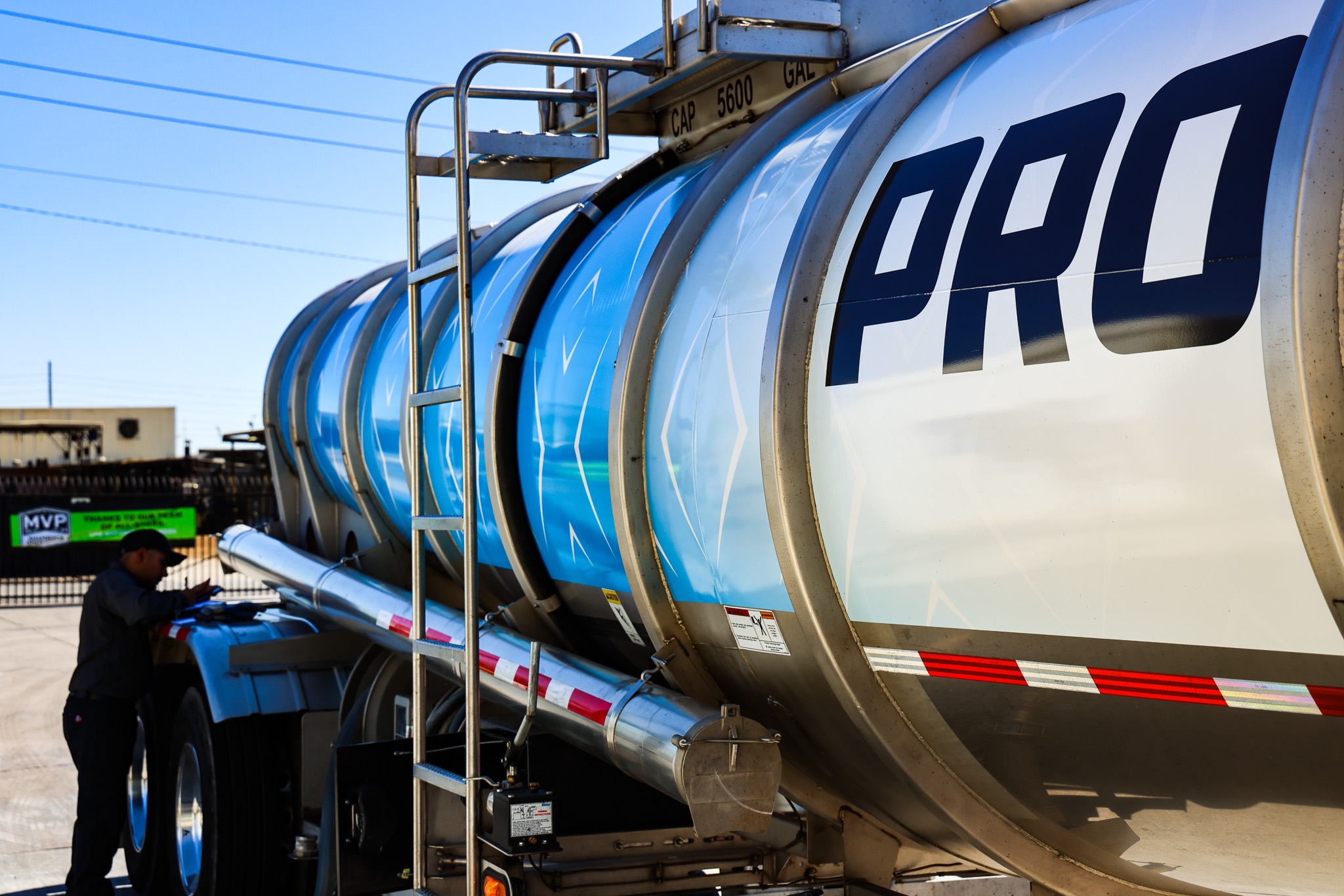

Building a Reliable DEF Strategy with PRO X PURE DEF
Diesel fleets don’t have much room for preventable delays. A delivery truck sitting in a yard, a service vehicle waiting for maintenance, or a long-haul tractor pulled off the road can affect schedules far beyond that one vehicle. For fleet managers, keeping equipment moving means thinking about everything that can interrupt operation, including something as basic as diesel exhaust fluid.
Diesel exhaust fluid, commonly called DEF, has become a routine part of modern diesel fleet operations. Vehicles equipped with selective catalytic reduction systems depend on a steady supply of properly handled DEF to control nitrogen oxide emissions. Running out of fluid isn’t something a driver can simply ignore. It can lead to warnings, operating restrictions, and eventually downtime.
That makes DEF management a logistics issue as much as a maintenance issue.
A reliable supply, proper storage, clean handling, and consistent replenishment all need to work together. PRO X PURE DEF provides a dependable DEF solution for fleets looking to build a more organized approach to fluid management while supporting their broader emissions compliance goals.
Why DEF Management Belongs in the Fleet Maintenance Plan
DEF is different from engine oil, coolant, or fuel. It isn’t there to lubricate a mechanical component. Its job is tied directly to the vehicle’s emissions-control system, which means running out or using contaminated fluid can create an entirely different set of problems.
The challenge becomes more noticeable as fleet size grows. A single pickup can be relatively easy to monitor. Keeping track of DEF consumption across dozens of trucks working different routes is another matter.
A practical fleet program should account for:
- Regular DEF consumption and refill requirements
- Vehicle mileage and operating schedules
- Available storage capacity
- Delivery lead times
- Proper DEF handling procedures
- Inventory levels during periods of heavy fleet activity
Keeping DEF management inside the normal maintenance routine makes it less likely to become an afterthought. Drivers know when to report low levels, technicians know what product to use, and purchasing teams have a clearer idea of when another supply is needed.
That kind of organization may not seem exciting, but it can prevent a surprisingly simple problem from taking a vehicle out of service.
Keeping DEF Logistics Simple as Fleets Grow
The larger the fleet, the harder it becomes to rely on memory and last-minute refills.
A fleet might have trucks returning to the same facility every evening, while others remain on the road for days at a time. Some vehicles may consume DEF faster because of their mileage or workload. Seasonal changes and route patterns can also affect how quickly inventory is used.
This is where DEF logistics becomes important.
Instead of ordering DEF only after the supply starts running low, fleet operators can establish usage patterns and maintain a reasonable reserve. That makes replenishment more predictable and reduces the chance of scrambling for product when several vehicles need a refill at once.
Good planning can involve:
- Tracking DEF consumption by vehicle or route
- Setting minimum inventory levels
- Scheduling deliveries around expected usage
- Keeping storage areas clean and organized
- Training drivers and technicians on proper handling
- Reviewing consumption patterns as fleet needs change
A consistent process is easier to manage than a series of emergency purchases. It also gives fleet managers better visibility into one of the consumables their diesel vehicles depend on every day.
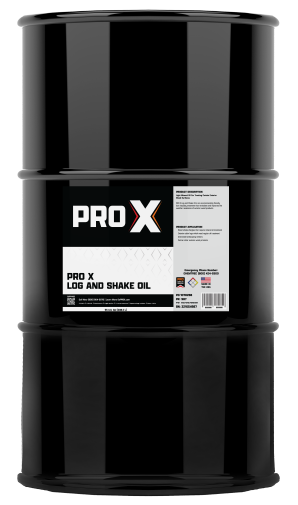


PRO X PURE DEF and the Importance of Product Quality
DEF may look like a simple fluid, but quality matters because it works directly with the selective catalytic reduction system.
Contamination is one of the concerns fleet operators need to take seriously. DEF has specific purity requirements, and introducing dirt, fuel, oil, or other materials into the fluid can create problems for the system.
That makes handling just as important as purchasing.
PRO X PURE DEF is intended for modern diesel applications that rely on DEF as part of their emissions-control system. For fleet operators, using a consistent product across applicable vehicles can make routine servicing easier while keeping fluid management more straightforward.
The goal isn’t simply to have DEF available.
It’s to have the right product available, store it correctly, and make sure it reaches the vehicle without unnecessary contamination.
For fleets already purchasing lubricants, cleaners, and other maintenance supplies, consolidating compatible needs through the wider range of PRO X products can also make purchasing and inventory management easier.
The Link Between DEF and Emissions Compliance
Emissions compliance doesn’t end when a diesel vehicle leaves the dealership.
The emissions-control system has to continue working properly throughout the vehicle’s operating life. That means maintenance teams need to pay attention to the systems that support emissions reduction, including the DEF supply.
A vehicle with an empty DEF tank can’t maintain normal operation indefinitely. The vehicle’s onboard system monitors DEF levels and emissions-system performance, and low fluid levels can eventually trigger warnings and operating limitations.
For fleet managers, maintaining an adequate DEF supply is therefore part of keeping vehicles available for work.
A good emissions compliance strategy should include more than simply checking whether a vehicle has enough fluid. It should also account for:
- Proper DEF storage
- Clean dispensing equipment
- Reliable product sourcing
- Regular vehicle inspections
- Driver awareness of DEF warnings
- Timely replenishment
None of these tasks are particularly complicated. The important part is doing them consistently.
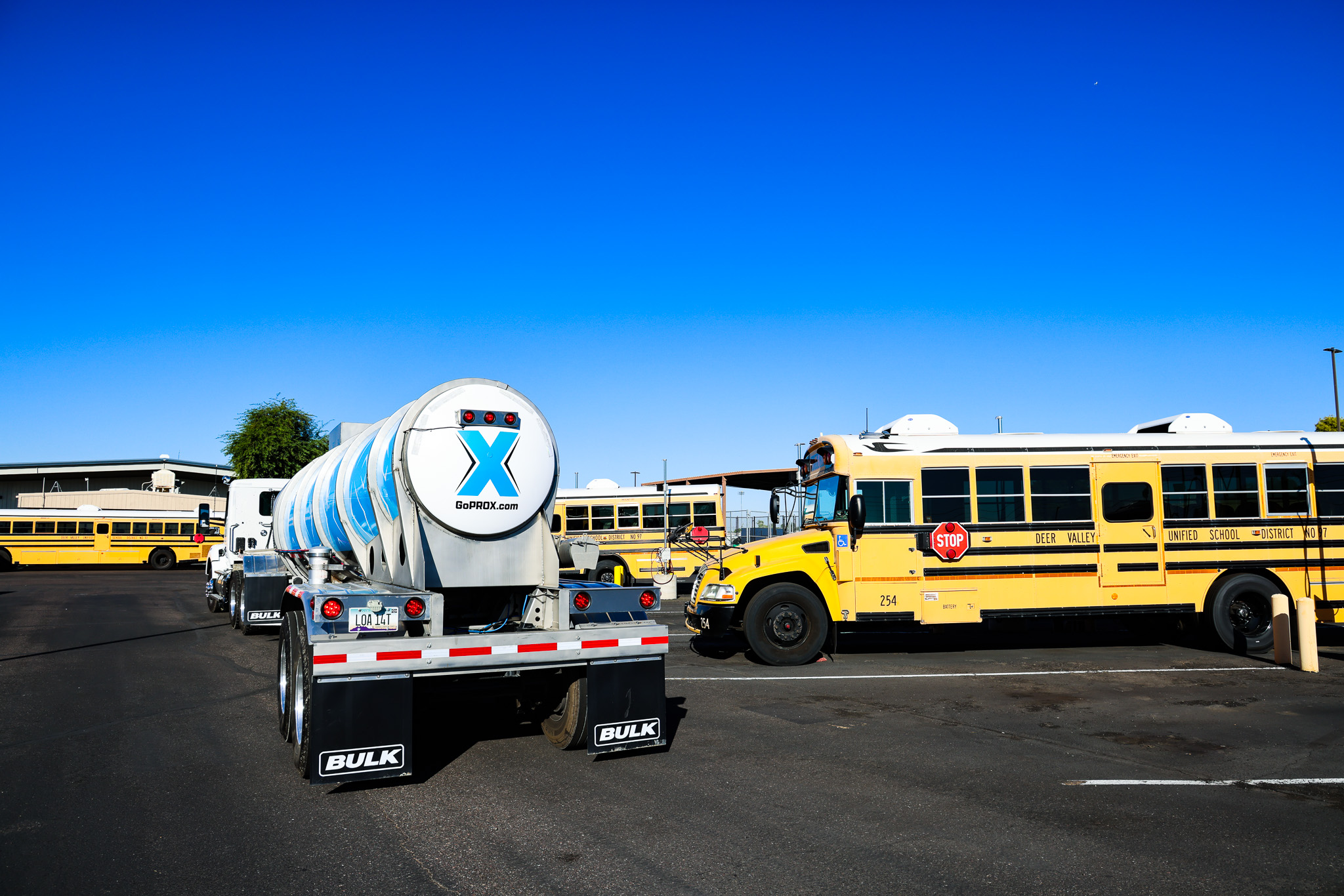
Building a DEF Storage and Handling Routine
Ordering quality DEF is only half the job.
Once the product arrives at a fleet facility, it needs to be stored and handled in a way that protects its quality. Containers and dispensing equipment should be kept clean, and DEF should be protected from unnecessary contamination during transfers and refills.
Fleet facilities can make the process easier by giving DEF its own clearly identified storage and dispensing area. That reduces the chance of someone accidentally using equipment that has previously been exposed to diesel fuel, oil, or another fluid.
A simple routine might include:
- Keeping DEF containers sealed until needed
- Using dedicated, clean dispensing equipment
- Protecting stored product from excessive heat and direct sunlight
- Checking containers for damage or contamination
- Training personnel on proper dispensing procedures
- Rotating inventory rather than allowing old stock to sit indefinitely
Good handling practices protect the investment the fleet has already made in its DEF supply.
More importantly, they reduce the chance of introducing contaminants into a vehicle’s emissions-control system.
Making DEF Management Part of Everyday Fleet Operations
The easiest maintenance procedures are usually the ones that become routine.
Drivers shouldn’t have to remember a complicated process every time a DEF warning appears. Technicians shouldn’t have to search through the shop to find the correct product. Purchasing managers shouldn’t discover that the fleet is nearly out of DEF only after the next delivery is already overdue.
A well-planned system removes those problems before they happen.
For larger diesel fleet operations, that can mean linking DEF checks with existing fuel stops, scheduled maintenance, or vehicle inspections. When DEF levels become part of the normal checklist, replenishment becomes predictable instead of reactive.
It also helps different departments work from the same information. Drivers know when to report low levels, maintenance teams know what product is approved for use, and purchasing staff can plan orders based on actual consumption.
That consistency matters when dozens or hundreds of vehicles are involved.

A Reliable DEF Strategy Starts with Consistency
DEF management may not be the first thing that comes to mind when people talk about fleet reliability, but it can have a direct effect on vehicle availability. A truck can’t complete its route if it has been sidelined because a basic consumable wasn’t available or properly handled.
Building a dependable DEF program doesn’t require an elaborate system. It requires a reliable product, sensible inventory planning, clean handling practices, and regular attention from the people responsible for keeping vehicles moving.
PRO X PURE DEF gives fleets a dependable option for supporting their DEF requirements while fitting into a broader approach to DEF logistics, emissions compliance, and everyday diesel fleet operations.
When DEF supply and handling become part of the normal maintenance routine, fleet managers gain one less unexpected problem to deal with. And in a business where keeping vehicles on the road is the priority, that kind of reliability is worth planning for.