

Incorporating Specialty Oils Like PRO X VANISHING OIL Into Shop Routines
Most workshops already have established maintenance routines. Equipment is inspected, lubricants are applied, parts are cleaned, and repairs are completed according to a schedule. Over time, these routines become second nature. Technicians know what products they use most often and where each one fits into the process.
What sometimes gets overlooked are the smaller products that solve specific maintenance challenges. These are not necessarily used every day across every piece of equipment, but when the situation calls for them, they can make a noticeable difference.
That is where specialty oils often enter the conversation.
Unlike general-purpose lubricants, specialty products are usually selected for particular applications, surfaces, or maintenance requirements. Understanding these specialty oils helps shops build more complete maintenance programs while ensuring technicians have the right products available when needed.
For facilities that already rely on a range of workshop lubricants, adding specialty oils into existing routines is often more straightforward than many operators expect.
Not Every Lubrication Task Is the Same
A common mistake in maintenance environments is assuming one lubricant can handle every task. While general-purpose products cover a large portion of routine work, there are situations where a more specialized approach makes sense.
Different equipment, materials, and operating conditions create different lubrication requirements.
For example, a product that works well for one application may be less effective in another due to residue concerns, application methods, or environmental conditions.
This is one reason many shops gradually expand the range of workshop lubricants they keep on hand.
Rather than replacing existing products, specialty oils are often used to fill specific gaps where standard lubricants may not be the most practical option.
Understanding these specialty oils uses allows maintenance teams to make more targeted decisions based on the task in front of them.
Small Maintenance Tasks Can Have a Big Impact
When people think about maintenance, major equipment repairs usually come to mind first. In reality, much of the work happening in a shop involves smaller tasks that help prevent larger issues from developing.
These routine activities often include:
- Cleaning components before assembly
- Protecting surfaces during storage
- Preparing parts for installation
- Maintaining smooth operation of moving mechanisms
- Supporting precision maintenance work
While each task may seem minor on its own, collectively they influence how efficiently the shop operates.
Specialty products are often introduced because they simplify these recurring jobs.
Instead of forcing a general lubricant into every situation, technicians can choose products designed for specific maintenance needs.
This practical approach is one of the reasons specialty oils use continues to expand across different industries and maintenance environments.


Building Consistency Into Daily Shop Procedures
Consistency is often what separates a well-organized shop from one that constantly reacts to maintenance issues.
When technicians follow similar procedures and use products suited to those procedures, maintenance outcomes tend to become more predictable.
This applies to lubrication as much as any other aspect of maintenance.
A structured approach to workshop lubricants helps reduce uncertainty. Technicians spend less time deciding what product to use and more time completing the work itself.
Specialty oils fit into this process by providing solutions for applications that may not be covered by standard lubricants.
Rather than creating additional complexity, they often help streamline specific tasks by providing a product designed for a particular purpose.
Over time, these small efficiencies can improve overall workflow throughout the shop.
Finding the Right Place for Specialty Oils
Introducing a specialty product does not require a complete overhaul of maintenance procedures.
In many cases, shops begin by identifying tasks that occur frequently enough to justify a dedicated solution.
Some examples include:
- Precision component handling
- Temporary surface protection
- Specialized assembly work
- Equipment preparation procedures
- Light-duty lubrication requirements
The goal is not to replace existing maintenance products but to complement them.
A shop may continue using its primary workshop lubricants for most applications while reserving specialty products for more specific tasks.
This approach keeps procedures simple while expanding the range of maintenance challenges the shop can address efficiently.
Understanding where these specialty oils uses fit within daily operations often starts with evaluating recurring maintenance activities.

Why Product Selection Matters Beyond Performance Claims
Maintenance products are often marketed around performance metrics. While those specifications have value, many technicians evaluate products based on practical results.
Questions such as these tend to matter:
- Is the product easy to apply?
- Does it fit existing maintenance procedures?
- Can technicians use it consistently?
- Does it simplify routine work?
These operational considerations often influence purchasing decisions just as much as technical specifications.
A product that integrates smoothly into shop routines is more likely to be used correctly and consistently.
This is particularly true for specialty products that are intended to support specific maintenance activities.
When evaluating specialty oils uses, practicality often becomes one of the most important selection criteria.
For shops managing a wide range of workshop lubricants, ease of implementation can be just as valuable as performance.
Creating a More Complete Lubrication Program
Many maintenance programs evolve gradually rather than through major changes.
New products are added as operational needs change. Procedures are refined as technicians gain experience. Maintenance strategies become more focused over time.
Specialty oils often become part of this process because they address needs that may not have been considered when the original maintenance program was created.
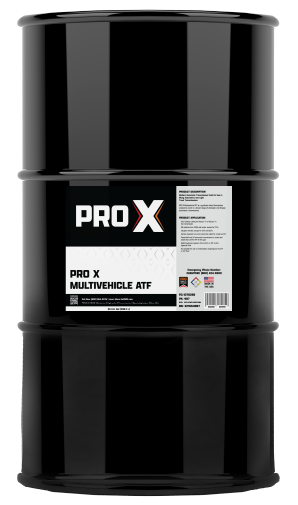
Shops looking to strengthen their lubrication strategy often explore products such as PRO X VANISHING OIL alongside their existing maintenance inventory.
As maintenance requirements become more specialized, having access to purpose-built products can make day-to-day tasks easier to manage.
Rather than expanding complexity, these additions often help maintenance teams work more efficiently by matching products to specific applications.
This practical approach continues to drive interest in both specialty oils uses and broader lubrication management strategies.

Getting More Value From Everyday Maintenance
Most maintenance improvements do not come from dramatic changes. More often, they come from refining existing processes and making small adjustments that improve efficiency over time.
The same idea applies to lubrication.
A shop that has access to the right products for the right applications is often better positioned to maintain consistency across different tasks.
PRO X VANISHING OIL represents the type of specialty product that can complement existing maintenance procedures without disrupting established workflows.
For technicians, the benefit is not necessarily doing more work. It is being able to complete routine work more effectively.
For managers, it means supporting maintenance programs with products that fit real operational needs.
As shops continue refining their approach to equipment care, understanding different specialty oils uses becomes increasingly valuable.
Combined with a strong foundation of workshop lubricants, specialty products can help create a more adaptable, efficient, and consistent maintenance environment over the long term.