DEF Management Best Practices for Trucking Operations
In modern trucking operations, emissions compliance is integrated directly into vehicle system performance rather than treated as a separate function. Diesel Exhaust Fluid (DEF) is a critical component of that system, operating continuously in the background. When issues arise within the DEF system, performance impacts can become apparent quickly.
Under normal conditions, DEF systems operate automatically, dosing fluid as required without driver intervention. However, the quality and handling of the fluid remain essential to system reliability. Proper storage practices, controlled handling procedures, and container cleanliness all contribute to maintaining system integrity.
For fleet operators managing multiple vehicles, DEF management becomes a routine operational requirement rather than an occasional task. While the process is straightforward, consistency is essential. When standards in handling and maintenance are not maintained, system performance issues can develop gradually over time.
The Role of DEF in Maintaining Fleet Performance and System Stability
Diesel Exhaust Fluid (DEF) is not a secondary operating fluid; it is directly integrated into emissions control functionality. Engine performance depends on a consistent and usable supply to maintain proper system operation.
When DEF quality is compromised, system failure is not always immediate. In many cases, the first indicators appear as system warnings, reduced efficiency, or limited engine performance. These signals typically reflect developing issues within the aftertreatment system.
Under proper operating conditions, consistent DEF management supports stable system performance. The fluid performs its required function without interruption, allowing the vehicle to continue operating as intended.
For trucking fleets, this level of reliability is critical. While a single unit experiencing downtime may have limited impact on its own, repeated disruptions across multiple vehicles can quickly affect overall scheduling and operational continuity.
DEF Storage Practices and Their Impact on Fleet System Reliability
DEF storage is often viewed as a straightforward task, but it is also a common source of system-related issues. While DEF itself is not complex, it is sensitive to environmental conditions that can affect its stability over time.
Temperature control is a key factor, along with exposure conditions and container integrity. Storage practices and handling methods have a direct influence on maintaining product quality.
Common storage issues include:
- Exposure to direct sunlight during storage
- Storing containers in environments with fluctuating temperatures
- Using containers that are not properly sealed
- Allowing dust or debris to enter during handling or storage
These conditions do not typically result in immediate system failure, which is why they are often overlooked. However, over time, they can contribute to a decline in fluid quality.
Effective DEF management treats storage as an active part of system integrity rather than a passive holding step.
For trucking fleets, maintaining proper storage conditions generally requires straightforward operational adjustments, including designated storage areas, controlled exposure, and consistent handling practices.


Best Practices for DEF Handling to Reduce Contamination Risk in Fleets
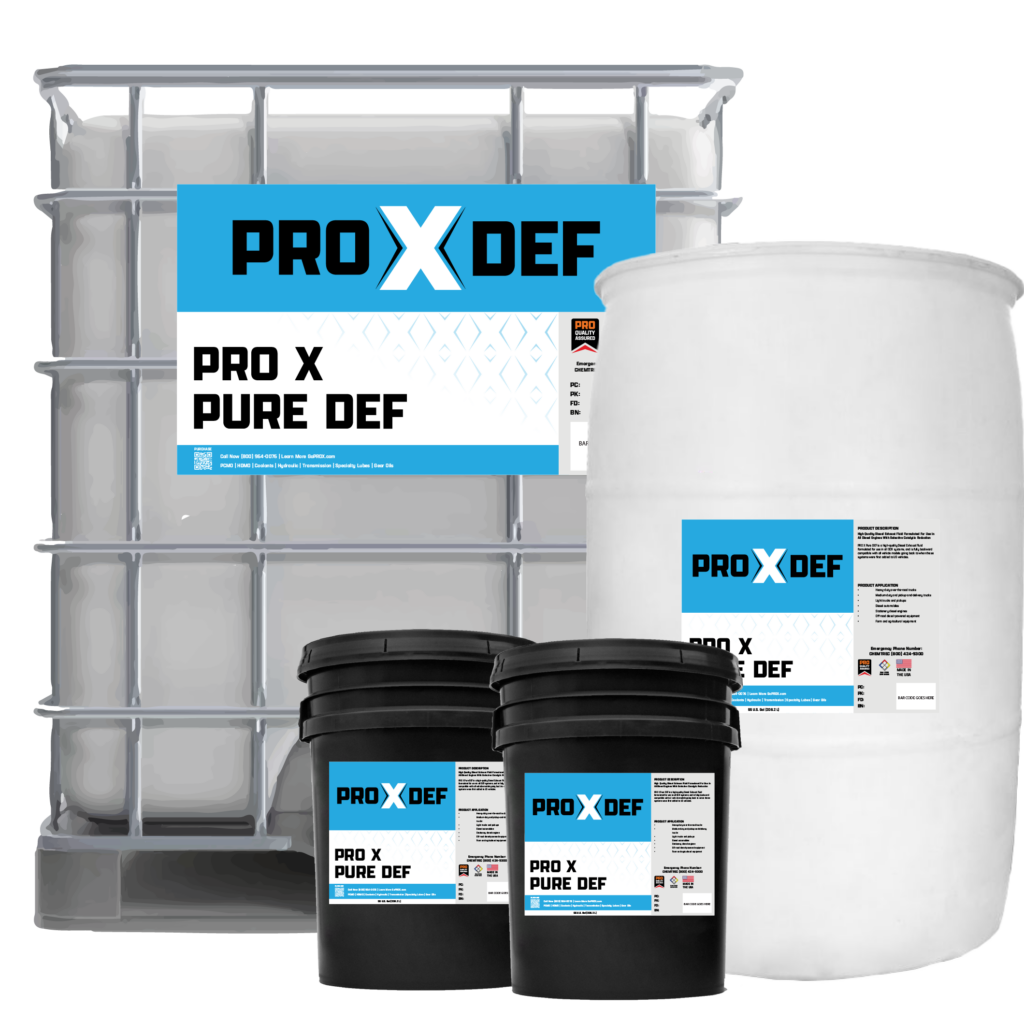
Even when DEF is stored correctly, improper handling can compromise product integrity. In many cases, contamination does not occur during storage, but during transfer and everyday use.
This is where small operational habits become critical. Not in a complex sense, but in a consistent and controlled one.
Practices that may seem minor—such as using shared containers for different fluids or briefly leaving containers open—can introduce risk over time. While these actions may not cause immediate issues, they can accumulate and impact overall system performance.
Basic DEF handling practices include:
- Using dedicated equipment exclusively for DEF
- Maintaining clean transfer and dispensing areas
- Securing container closures immediately after use
- Avoiding fluid transfer in exposed or uncontrolled environments
These straightforward procedures support consistent DEF quality and system reliability.
For trucking fleets, standardizing handling practices across all personnel is essential. When procedures are applied consistently, operational variability is reduced, along with the likelihood of related system issues.
Tracking DEF Consumption
DEF consumption is directly linked to vehicle operation. As vehicle usage increases, DEF consumption increases proportionally. While this relationship is predictable, consumption patterns can vary across vehicles depending on load, route conditions, and operational demands.
In some cases, higher consumption may reflect normal operating conditions. In others, irregular usage patterns may indicate potential system inefficiencies or emerging issues.
Practical monitoring practices include:
- Checking DEF levels during scheduled inspections
- Maintaining basic records of refills and usage
- Identifying sudden or unexplained changes in consumption
- Aligning refilling practices with operational schedules

Early Detection of DEF System Issues
The DEF system typically provides early indicators before issues become critical. While these signals are not always immediately noticeable, they develop progressively within the system.
Conditions such as crystallization do not occur suddenly. They form over time, as do deposits and sensor-related performance issues.
When DEF quality remains consistent, the likelihood of these issues is reduced. When consistency is lacking, system irregularities tend to appear more frequently.
Effective DEF management involves monitoring overall system condition, not just fluid levels.
For trucking fleets, this often means incorporating DEF system checks into existing maintenance routines rather than treating them as separate tasks.
The focus is not on adding complexity, but on identifying patterns early to support proactive maintenance instead of reactive repairs.
Small DEF Issues, Big Fleet Impact
Most DEF-related issues do not originate from major operational failures. They typically develop from small, overlooked handling and management inconsistencies.
Common contributing factors include:
- Using containers that were previously used for other fluids
- Overlooking minor contamination under the assumption it is insignificant
- Delaying refills beyond planned maintenance schedules
- Failing to regularly verify storage conditions
Individually, these actions may not appear significant. However, when combined over time, they can reduce overall system effectiveness and reliability

DEF Supply and Daily Operations
DEF supply issues typically arise when refilling is not aligned with actual vehicle usage. In busy fleet operations, ad hoc refills can create uneven availability across units.
Linking DEF refills to routine checks helps maintain balance across the fleet, especially as usage varies by route, load, and duty cycle. When integrated into standard workflows, refilling becomes a consistent process rather than a reactive task.
For trucking fleets, this approach reduces last-minute adjustments and helps prevent interruptions caused by simple fluid shortages, supporting more reliable and consistent operations.