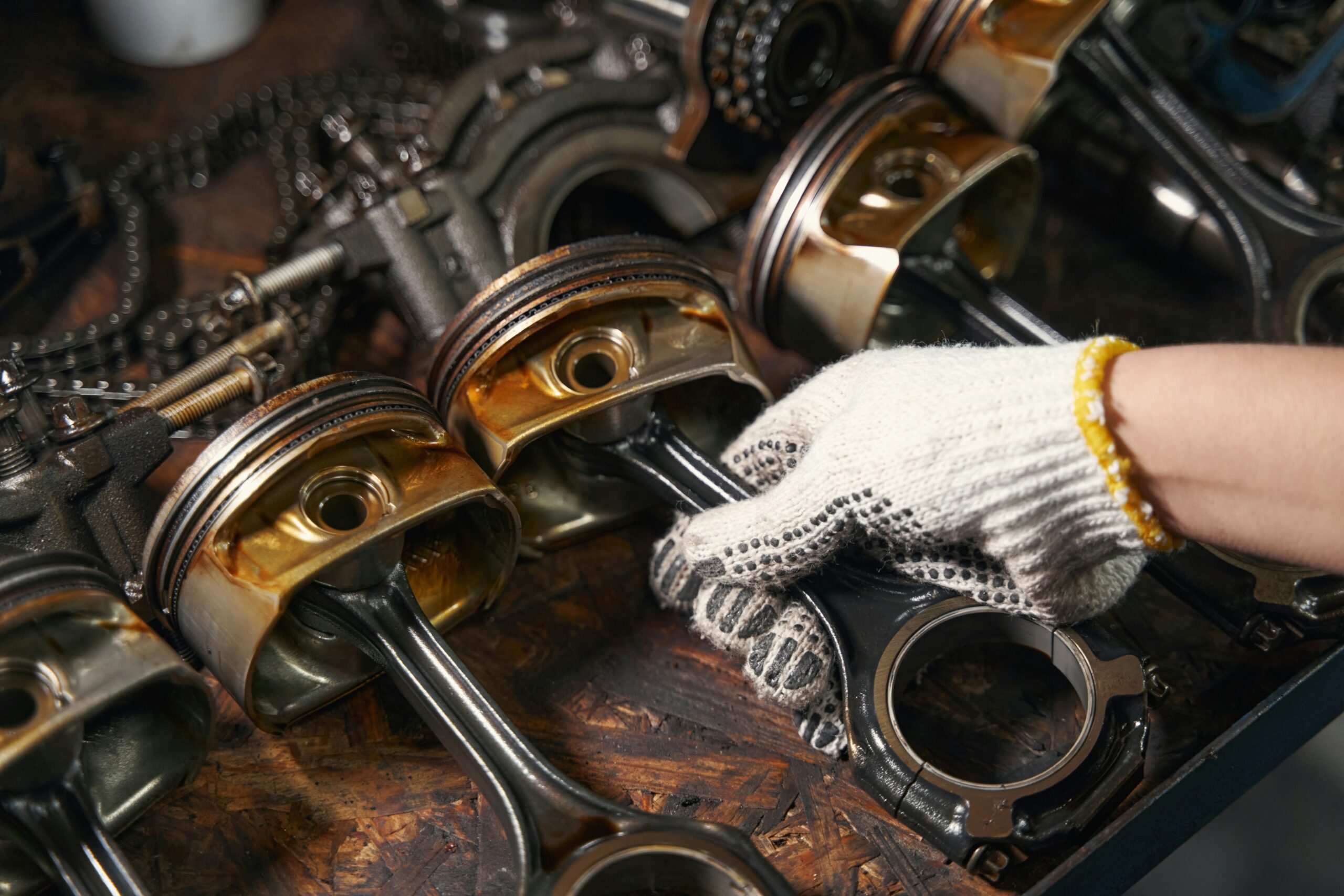

Why ELC Coolant Is Critical for Diesel Engines
Diesel engines are built to handle demanding work. They power trucks, construction equipment, agricultural machinery, and industrial generators, often operating for long hours under heavy loads. These demanding conditions generate significant heat, and without proper temperature control, excessive heat can lead to serious engine damage.
Coolant plays a critical role in managing this heat. It circulates through the engine, absorbing and carrying heat away from sensitive components. However, not all coolants deliver the same level of protection. Diesel engines, particularly heavy-duty systems, require coolant designed to withstand high temperatures and extended operating conditions.
Extended Life Coolant (ELC) provides a reliable solution for modern cooling systems. Formulated for long-term performance, ELC helps maintain stable operating temperatures while offering strong resistance to corrosion and system wear. Compared to conventional coolant formulas, diesel engine coolant with extended life technology provides greater durability and longer service intervals.
Understanding the role of ELC coolant helps operators protect critical engine components, reduce maintenance costs, and keep equipment running efficiently in demanding applications.
The Role of Coolant in Diesel Engine Protection
Every engine generates heat during combustion. In diesel engines, cylinder temperatures can become extremely high. Without proper cooling, these temperatures can quickly damage critical engine components.
Coolant circulates through channels in the engine block and cylinder head, absorbing heat from metal surfaces as it flows. The heated coolant then moves to the radiator, where the heat dissipates before the coolant returns to the engine. This continuous cycle helps maintain stable operating temperatures while the engine is running.
Proper diesel engine coolant does more than regulate temperature. It also protects the cooling system by helping prevent corrosion, reducing scale buildup, and protecting components such as water pumps, hoses, and radiators. In colder conditions, coolant helps prevent freezing, while in high temperatures it raises the boiling point of the fluid to maintain system stability.
When coolant loses its protective properties, engine components become vulnerable to damage. Selecting the right coolant plays a critical role in maintaining diesel engine reliability and long-term performance.
What Makes ELC Coolant Different
Extended Life Coolant (ELC) is engineered for modern diesel engines that operate in demanding conditions. Unlike conventional coolant formulas, ELC uses Organic Acid Technology (OAT) to protect metal surfaces within the cooling system.
Traditional coolants rely on inorganic additives that break down more quickly over time. Because of this, they often require regular maintenance and the addition of supplemental coolant additives to maintain protection.
ELC coolants function differently. Their organic acid inhibitors remain stable for longer periods, allowing the coolant to protect engine components for extended service intervals. This stability helps maintain corrosion protection, reduce scale buildup, and support consistent temperature control.
Long-life coolant protection is especially important for engines that operate for extended hours, including those used in commercial and industrial equipment.
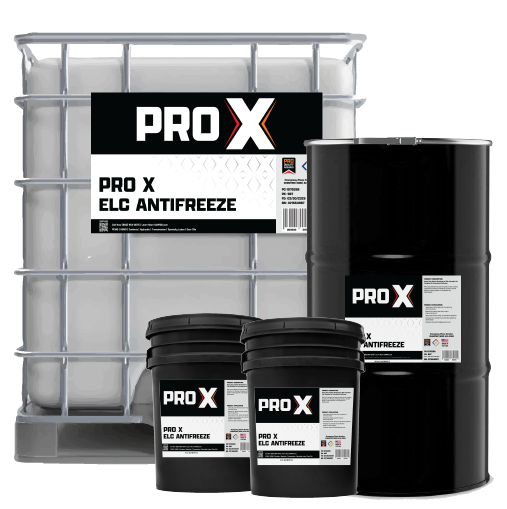

Protection Against Corrosion and Cavitation
Diesel engines face unique cooling system challenges, one of the most serious being cavitation erosion. Cavitation occurs when pressure changes create small vapor bubbles within the coolant.
When these bubbles collapse, they strike nearby metal surfaces with significant force. Over time, this repeated impact can damage cylinder liners and other critical components.
High-quality diesel engine coolant helps protect against this type of wear. Extended Life Coolant (ELC) contains specialized additives designed to reduce cavitation and protect key cooling system components, including:
Cylinder liners
Water pumps
Radiators
Thermostat housings
ELC also provides strong corrosion protection. Diesel cooling systems contain multiple metals such as aluminum, steel, and copper. Without proper protection, these metals can react with coolant and lead to rust or corrosion.
ELC forms a protective layer on these metal surfaces, helping prevent chemical reactions and extending the service life of critical engine components.
Service Benefits of ELC Coolant
ELC coolant offers one of the most important advantages in cooling system maintenance: extended service life. Traditional coolants often require replacement every two to three years, while ELC can last for several years in many systems.
Longer service intervals help reduce maintenance downtime and lower operating costs for fleets and equipment operators. With fewer coolant changes required, maintenance teams can focus on other critical service tasks.
Extended service life also reduces the risk of contamination or mixing errors that can occur when cooling systems are opened frequently.

Stable Cooling Performance in Heavy Work
Diesel engines often operate under demanding conditions. Trucks travel long distances with heavy loads, construction equipment runs continuously on job sites, and agricultural machinery handles intense workloads during planting and harvest seasons.
These conditions place significant stress on the cooling system. Coolant must maintain consistent performance even as engine temperatures rise.
ELC coolant is designed to perform reliably in these environments. Its chemical stability helps maintain consistent heat transfer and cooling performance during heavy operation.
Key performance benefits include:
Reliable heat transfer under demanding conditions
Resistance to thermal breakdown
Protection against overheating
Long-term cooling system stability
These features help engines maintain proper operating temperatures and support reliable performance during heavy workloads.

Why Modern Diesel Engines Require Advanced Coolant Technology
Modern diesel engines use advanced technologies to improve efficiency and reduce emissions. Many systems, such as exhaust gas recirculation, increase heat and chemical stress within the engine, placing greater demands on the cooling system.
ELC coolant is often recommended for modern diesel engines because it remains stable under these conditions. Its additive system provides long-term corrosion protection without the need for frequent maintenance additives.
Following manufacturer recommendations when selecting diesel engine coolant helps ensure compatibility with engine materials and cooling system design.

Long-Term Diesel Engine Reliability
Cooling systems operate continuously while the engine runs. If coolant performance declines, engines become vulnerable to overheating, corrosion, and component wear.
ELC coolant helps maintain reliable cooling protection over longer periods. Its advanced formulation supports corrosion resistance, stable heat transfer, and reduced maintenance needs.
For operators who rely on diesel-powered equipment, consistent performance is critical. High-quality diesel engine coolant helps protect engine components, maintain proper temperatures, and reduce the risk of cooling system failures.