

What to Look for in a Commercial Fluids Distributor
Selecting a distributor is often viewed as a simple decision based on product availability and pricing. When these factors align, the process typically moves forward without much consideration beyond immediate operational needs. However, the distributor’s role becomes significantly more important over time.
Distribution is not solely about product delivery. It is about consistency in fulfillment, alignment with operational requirements, and the level of effort required to maintain the relationship. When these elements are not fully aligned, operational friction begins to emerge. Delays, product substitutions, and inconsistent availability can interrupt planning and create additional coordination requirements. While these challenges may appear minor at first, they often accumulate and increase administrative and operational workload.
Predictability is a key factor in maintaining efficiency. When supply is stable and dependable, planning becomes more streamlined. Maintenance schedules remain consistent, and teams spend less time verifying availability or managing order follow-ups. When supply is inconsistent, even routine processes require additional oversight and adjustment.
A dependable commercial fluids distributor functions as an extension of operational planning rather than a transactional supplier. Consistent supply alignment supports uninterrupted workflows and reduces the need for reactive adjustments. For operations that rely on steady product flow, working with a reliable lubricant supplier contributes to greater operational stability and reduces variability across daily processes.
Aligning Distributor Selection With Operational Demand
Before comparing distributors, it is important to first define operational requirements. Different operations have different levels of complexity—some rely on a limited range of products, while others require multiple fluid types across various systems.
Usage patterns are a critical factor in this assessment. Certain fluids are consumed on a regular basis, while others are used during scheduled maintenance intervals. Without a clear understanding of these patterns, it becomes difficult to determine whether a distributor can effectively support ongoing operational demands.
A distributor that is effective for one operation may not be suitable for another. The key difference typically lies in how well supply capabilities align with actual consumption requirements.
A capable commercial fluids distributor should be structured to meet specific operational needs rather than relying on a standardized offering. The same principle applies when evaluating a lubricant supplier—alignment with demand and application requirements is more important than product availability alone.
The Role of Availability in Distributor Performance
Availability is often one of the first factors tested in a distributor relationship. Even when product quality meets expectations, inconsistent delivery can introduce operational challenges.
Delays may not immediately disrupt operations, but they create uncertainty that compounds over time. Teams are often required to adjust schedules, source temporary alternatives, or maintain additional inventory to offset supply variability.
Key considerations include:
- Consistency in delivery timelines
- Ability to fulfill repeat orders without variation
- Responsiveness to urgent or unplanned demand
- Long-term stability in product availability
A dependable commercial fluids distributor maintains consistent supply performance without the need for ongoing oversight or repeated follow-up.
For operations that depend on uninterrupted product flow, partnering with a reliable lubricant supplier reduces operational adjustments and supports alignment with planned maintenance schedules.

Why Product Alignment Matters More Than Product Range
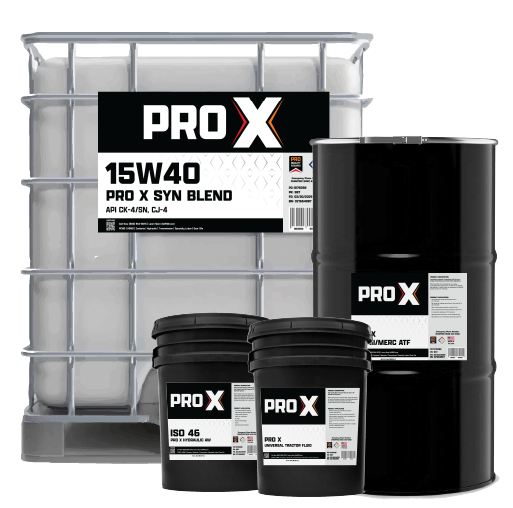
A broad product range can provide value, but it is not always a requirement for operational effectiveness. In some cases, an extensive catalog can introduce unnecessary complexity and slow down the selection process.
The more important factor is whether the distributor supplies the correct products for specific applications. A well-aligned, purpose-driven range is often more effective than a large assortment that requires additional filtering and evaluation.
A reliable commercial fluids distributor understands application requirements and ensures each product is positioned appropriately, supporting selection without introducing ambiguity or inefficiency.
When working with a lubricant supplier, the objective is not expanded variety but controlled consistency. Each product should serve a defined function, minimizing overlap and reducing the need for substitutions that can disrupt standardization.
Technical Understanding and Practical Support
Selecting the right fluid goes beyond matching specifications. Equipment type, operating conditions, and usage patterns all influence performance.
Distributors that provide practical support help simplify this process by offering guidance that applies directly to day-to-day operations, not just technical data sheets.
This support can include product recommendations, application guidance, alternative options when needs change, and input on maintaining system consistency.
A knowledgeable commercial fluids distributor supports decision-making rather than placing the full burden on internal teams.
For businesses working with a lubricant supplier, this helps maintain consistent performance with fewer adjustments over time.

Pricing Stability and Long-Term Value
Pricing is an important part of distributor selection, but it should not be the sole deciding factor. Lower costs may appear advantageous initially, but they can introduce operational variability if they come with inconsistent supply or frequent product changes.
Long-term stability is more valuable than short-term savings. Predictable pricing supports planning accuracy, while consistent product performance ensures reliable operations.
Key considerations include:
- Pricing consistency over time
- Transparency in product specifications
- Alignment between cost and performance
- Minimizing unnecessary supplier changes for marginal savings
A dependable commercial fluids distributor delivers value through reliability and consistency, not cost alone.

Avoiding Common Selection Mistakes
Distributor selection is often driven by immediate needs, which can lead to short-term decisions that create long-term challenges.
Common issues include focusing only on price, overlooking delivery consistency, frequently switching suppliers, and not assessing long-term operational fit.
These choices may not cause immediate disruption, but they can impact overall efficiency over time.
Selecting the right commercial fluids distributor requires evaluating long-term alignment with daily operations, not just short-term factors.
For teams working with a lubricant supplier, avoiding these mistakes supports greater stability and reduces ongoing adjustments.

Value of Distributor Consistency
Once a distributor is selected, consistency becomes more valuable than frequent change. Switching suppliers may address short-term issues, but it often introduces new variability.
A stable relationship allows the distributor to better understand usage patterns, product requirements, and delivery expectations over time.
Working with a consistent commercial fluids distributor reduces coordination effort and improves operational predictability.
For teams relying on a dependable lubricant supplier, this stability supports smoother maintenance and fewer disruptions.
Ultimately, the key benefit is reduced complexity—fewer variables, more stability, and easier decision-making.