

Understanding Multi-Vehicle ATF and When to Use It
The transmission system is one of the most critical components of any vehicle, regulating the flow of power between the engine and the wheels. Whether in a passenger car, light truck, or commercial vehicle, the transmission must operate smoothly to ensure reliable performance.
Transmission fluid plays a central role in this system. It lubricates moving components, reduces friction, and helps maintain proper operating temperatures. Without adequate fluid, the transmission is at risk of premature wear or failure.
Multi-vehicle automatic transmission fluid (ATF) has become increasingly popular among workshops and fleet operators due to its versatility across different vehicle types. Understanding when to use multi-vehicle ATF—and when to avoid it—is essential for maintaining transmission performance and preventing operational issues.
The Essential Role of Transmission Fluid in Vehicle Performance
Transmission fluid does far more than simply lubricate gears; it serves multiple critical functions within the transmission system.
In automatic transmissions, it aids in the transfer of power and helps maintain optimal operating temperatures by removing heat from friction-prone areas. Transmission fluid also supports proper gear shifting by sustaining the necessary hydraulic pressure throughout the system.
High-quality transmission fluid must remain stable under heat and pressure and resist degradation over time. Insufficient or improper fluid can result in rough shifting, delayed response, and unusual noises, potentially leading to severe damage. Selecting the correct fluid is therefore crucial, directly influencing both transmission performance and longevity.
Understanding Multi-Vehicle ATF and Its Applications
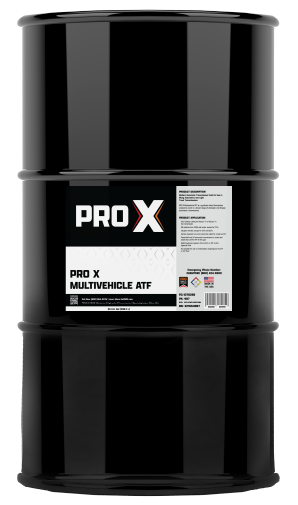
Multi-vehicle automatic transmission fluid (ATF) is formulated to meet the requirements of a wide range of vehicle specifications. Unlike fluids designed for a single brand or model, multi-vehicle ATF is engineered to perform across diverse transmission systems.
This versatility is particularly valuable for service shops that handle multiple vehicle types, as it reduces the need to stock numerous specialized fluids.
However, multi-vehicle ATF is not truly universal. It is designed to deliver consistent performance across most systems, providing appropriate friction characteristics, heat tolerance, and wear protection. Proper understanding of its capabilities and limitations is essential before application to ensure optimal transmission performance.


How It Differs from OEM-Specific Fluids
Original equipment manufacturers (OEMs) often design transmission fluids specifically for their systems, ensuring precise compatibility with transmission components. These fluids are engineered with narrowly targeted friction characteristics and pressure tolerances tailored to the transmission’s design. Using an incorrect fluid in such systems can significantly affect performance and reliability.
Multi-vehicle ATF, in contrast, is formulated to meet the needs of a broad range of transmissions. While it provides flexibility and reliable performance across many applications, it may not offer optimal results in highly specialized OEM systems. Careful evaluation is essential to determine whether a particular fluid is appropriate for a given transmission.
Ideal Applications for Multi-Vehicle ATF
Multi-vehicle ATF performs effectively in a variety of situations, making it a preferred choice for general maintenance, mixed fleets, and service workshops.
It is particularly beneficial when:
- Vehicles have standard automatic transmissions
- The manufacturer permits the use of compatible fluids
- Equipment operates under normal conditions
- Maintenance processes need simplification
In these scenarios, multi-vehicle ATF delivers consistent performance without the need to stock multiple fluid types. For service workshops managing diverse vehicles daily, it streamlines operations and reduces the risk of fluid selection errors. A properly formulated multi-vehicle ATF can handle most common operating conditions with reliability and efficiency.

When You Should Avoid Using It
While multi-vehicle ATF offers versatility, it is not suitable for all transmission systems. Certain vehicles have specific fluid requirements that cannot be replaced without risking performance or damage. Using an incorrect fluid may result in poor shifting, overheating, or internal transmission damage.
Multi-vehicle ATF should be avoided when:
- The manufacturer specifies a particular type of fluid
- The vehicle has a CVT (continuously variable transmission) or dual-clutch system
- The transmission is highly specialized
- Warranty conditions require OEM fluid
In these cases, following the manufacturer’s recommendation is critical. Selecting the correct transmission fluid ensures optimal performance and reliability, while even minor errors in fluid choice can lead to significant future costs.

Performance and Protection Factors
The best transmission fluid performs reliably under varying conditions, resisting heat, pressure, and friction. Key areas of performance include:
- Smooth gear shifting
- Heat resistance
- Wear protection
- Clean internal components
Multi-vehicle ATF is designed to manage these factors across multiple systems, providing smooth operation under typical use. However, for extreme conditions such as heavy towing or high-performance driving, a more specialized fluid may be required. Understanding how the vehicle is used helps determine whether multi-vehicle ATF is appropriate.

Maintenance and Fluid Replacement
Transmission fluid degrades over time due to heat, friction, and contamination. Regular monitoring, maintenance, and timely replacement are essential to ensure smooth operation and prevent damage.
Signs that fluid replacement is needed include delayed or rough shifting, dark or burnt-smelling fluid, and unusual transmission noises. Using the correct fluid—whether multi-vehicle ATF or a manufacturer-specific type—keeps the transmission operating properly and extends its lifespan.
While multi-vehicle ATF offers flexibility and reliable performance in most vehicles, it must be applied appropriately. Understanding the system’s requirements and choosing the correct fluid helps prevent costly repairs and keeps vehicles running efficiently.