Industrial Brake Cleaner Uses and Safety Guidelines
Cleaning in industrial environments is not just about appearance. It directly affects equipment performance, component lifespan, and maintenance frequency. Residue—such as oil, grease, or fine dust—does not remain passive. It alters how parts move, respond to load, and in some cases, impacts operational safety. Over time, even a thin layer of buildup can disrupt tolerances and reduce the efficiency of moving components.
This is where industrial brake cleaners play a defined role. They are not intended for general-purpose cleaning but are used in specific situations where residue must be removed quickly and completely, without leaving any trace behind. In many cases, they become the preferred solution when other cleaning methods either leave residue or require additional steps.
However, their use requires a clear strategy. Overapplication, improper handling, or ignoring material compatibility can lead to unnecessary wear or operational issues. Effective equipment cleaning involves understanding both when to use brake cleaners and when to limit their application, ensuring they support maintenance efforts rather than complicate them.
Where and Why to Use Industrial Brake Cleaners
Brake cleaners are commonly associated with braking systems, but their use extends beyond that scope. Any component that requires a clean, dry surface may benefit from their application—particularly parts that are sensitive to contamination or rely on consistent surface contact to function properly.
They are typically used in situations where residue directly impacts performance. This includes friction surfaces, mechanical joints, and areas where buildup can restrict movement. As these components are frequently addressed during routine maintenance, the importance of effective cleaning methods increases over time.
Common applications include:
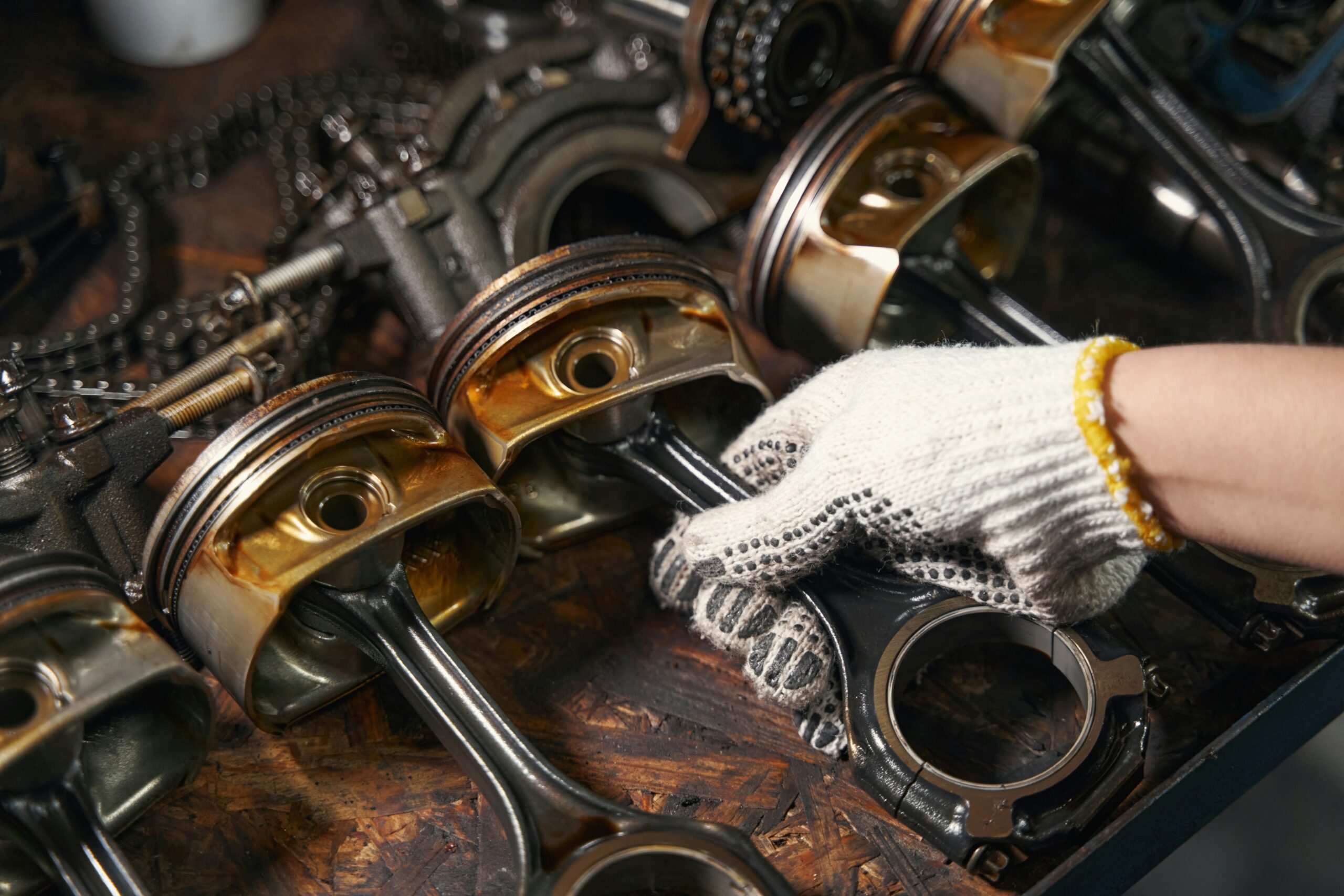
- Removing oil or grease from metal parts prior to reassembly
- Cleaning components where even a thin film can affect performance
- Preparing surfaces that must remain completely dry
- Clearing buildup in areas that are difficult to access manually
In these scenarios, industrial brake cleaners are effective due to their rapid evaporation. In many cases, there is no need for wiping or extended drying time, which reduces the number of steps required during maintenance.
This speed is critical in equipment maintenance. It allows work to proceed without unnecessary delays and helps prevent bottlenecks when multiple components require attention simultaneously.
Why Residue-Free Cleaning Makes a Difference
In some systems, small amounts of residue may have minimal impact. In others, even slight contamination can alter how components interact. The effects are not always immediate but become more noticeable with repeated use.
Friction surfaces are particularly sensitive to contamination. A thin layer of oil can reduce performance, while components that depend on precise contact or alignment may experience subtle deviations. Over time, these inconsistencies can affect overall performance stability.
Conventional cleaning methods may improve surface appearance, but they can leave behind trace residues that are not immediately visible. As these traces accumulate, they can contribute to uneven wear and reduced efficiency.
Industrial brake cleaners address this challenge by removing residue without leaving any film behind. This makes them well-suited for applications where consistency and reliability are critical, rather than surface appearance alone.
In equipment maintenance, this level of cleaning supports predictable performance. The objective is not just to remove visible buildup, but to return components to a condition where they function as intended, without interference from residual contaminants.

Situations Where It Works Best
Not every cleaning task requires a brake cleaner. Overuse can be unnecessary and, in some cases, counterproductive. Its value lies in specific applications where its properties offer a clear advantage.
For example:
- When grease buildup is heavy and must be removed quickly
- When components cannot be fully disassembled for cleaning
- When minimal drying time is required
- When any remaining residue would interfere with operation
In these situations, industrial brake cleaners streamline the process. They reduce the need for multiple cleaning steps and allow maintenance tasks to be completed more efficiently.
For equipment maintenance, this can mean faster turnaround times. Components can often return to service immediately after cleaning, without additional preparation.
Equally important is recognizing when brake cleaners are not necessary. Selective use supports both operational efficiency and cost control.
Safety Practices That Should Not Be Ignored
Brake cleaners are effective but must be handled with care. Most issues arise from overlooking basic precautions rather than the product itself.
Key safety guidelines include:
- Use in well-ventilated areas
- Avoid inhaling vapors during application
- Prevent contact with skin and eyes
- Keep away from sparks or open flames
These steps are simple but often neglected during routine tasks. Because brake cleaners evaporate quickly, vapors can accumulate without proper airflow.

Storage and Handling Between Uses
What happens after a brake cleaner is used is just as important as how it is applied. Proper storage directly affects both safety and product performance over time.
Brake cleaners should be kept in sealed containers and stored away from extreme heat or direct sunlight. Temperature fluctuations can impact container pressure—especially in aerosol forms—leading to leaks or reduced effectiveness.
Handling practices also matter. Containers should remain closed when not in use, and dispensing equipment should be kept clean to prevent contamination. Even small amounts of debris can affect performance.
For operations that rely on industrial brake cleaners, consistent storage and handling practices help ensure reliable results. In equipment maintenance, this supports predictable performance with every use.

Misuse That Leads to Problems
Brake cleaners are often used as a quick fix for any cleaning task, but this can lead to overuse and unintended effects.
Common issues include:
- Applying to solvent-sensitive materials
- Using more product than necessary
- Relying on it instead of mechanical cleaning
- Overlooking component compatibility
These may not cause immediate damage but can lead to gradual wear and increased costs.
Using industrial brake cleaners with a clear purpose ensures they add value rather than serve as a general solution. In equipment maintenance, this approach improves efficiency and reduces the risk of unintended issues.

Keeping Cleaning Practices Consistent Over Time
Consistency in cleaning is often overlooked. Different approaches can lead to uneven results, affecting performance and maintenance frequency over time.
Using industrial brake cleaners within a defined process reduces variation and improves predictability. In equipment maintenance, consistency matters more than intensity—proper, repeatable application leads to more reliable performance.