

How to Store and Handle DEF the Right Way
When diesel engines operate daily under demanding conditions, there is no room for shortcuts. Diesel Exhaust Fluid may appear simple in composition, but its role in modern emissions systems makes it one of the most critical operational fluids in any diesel-powered operation. Improper storage or handling of DEF is a leading cause of preventable downtime, emissions faults, and costly SCR system issues.
At PRO X, proper DEF management is considered a fundamental aspect of professional-grade operations. Like lubrication, DEF requires consistent care and adherence to standards suited to real-world conditions. When stored and handled correctly, DEF supports compliance and maximizes uptime. When mishandled, it becomes a source of disruption. Effective DEF management is not complex—it is the consistent application of best practices every day.
Maintaining DEF Quality in Real-World Conditions
Diesel equipment rarely runs in controlled or clean environments. Fleets and machines face dust, temperature extremes, moisture, and long operating hours. DEF must stay stable and uncontaminated under these conditions—a challenge many operations encounter.
Proper DEF storage accounts for real-world conditions, not ideal warehouse settings. Heat, sunlight, or open air can degrade DEF before it reaches the vehicle. In outdoor yards, busy depots, or temporary job sites, protecting DEF requires intentional planning.
DEF handling faces the same demands. Refills often happen under time pressure, during shift changes, or in challenging environments. Without disciplined procedures, contamination occurs easily. PRO X recommends practices that maintain DEF quality from delivery to final use, even under operational stress.
Advanced Understanding of DEF Sensitivity
DEF may be chemically simple, but it is operationally sensitive. It is formulated to work with SCR systems that operate within extremely tight tolerances. Even minor deviations in DEF purity can compromise emissions performance and system reliability.
DEF is susceptible to contamination from materials, tools, and environments that pose little risk to other fluids. Exposure to incompatible metals, dirt, fuel residue, or even tap water can degrade DEF quality. Once contaminated, DEF cannot be restored to specification.
This sensitivity underscores the need for professional DEF storage, including dedicated containers, controlled environments, and protection from foreign substances. Likewise, professional DEF handling requires clean, dedicated equipment and procedures that prevent accidental contamination. Recognizing this sensitivity transforms how DEF is managed daily and highlights why casual practices can result in serious operational consequences.
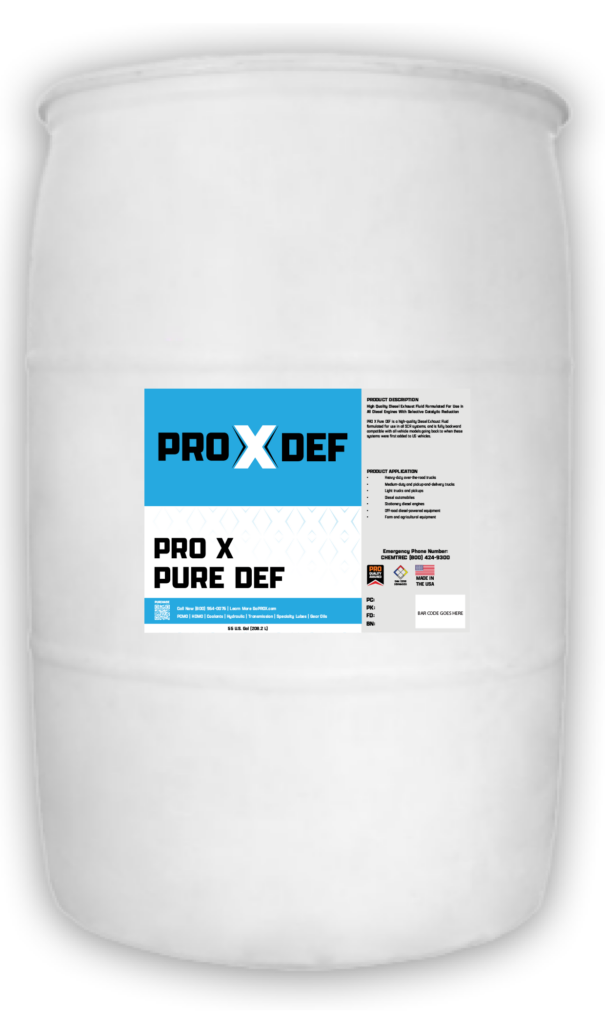
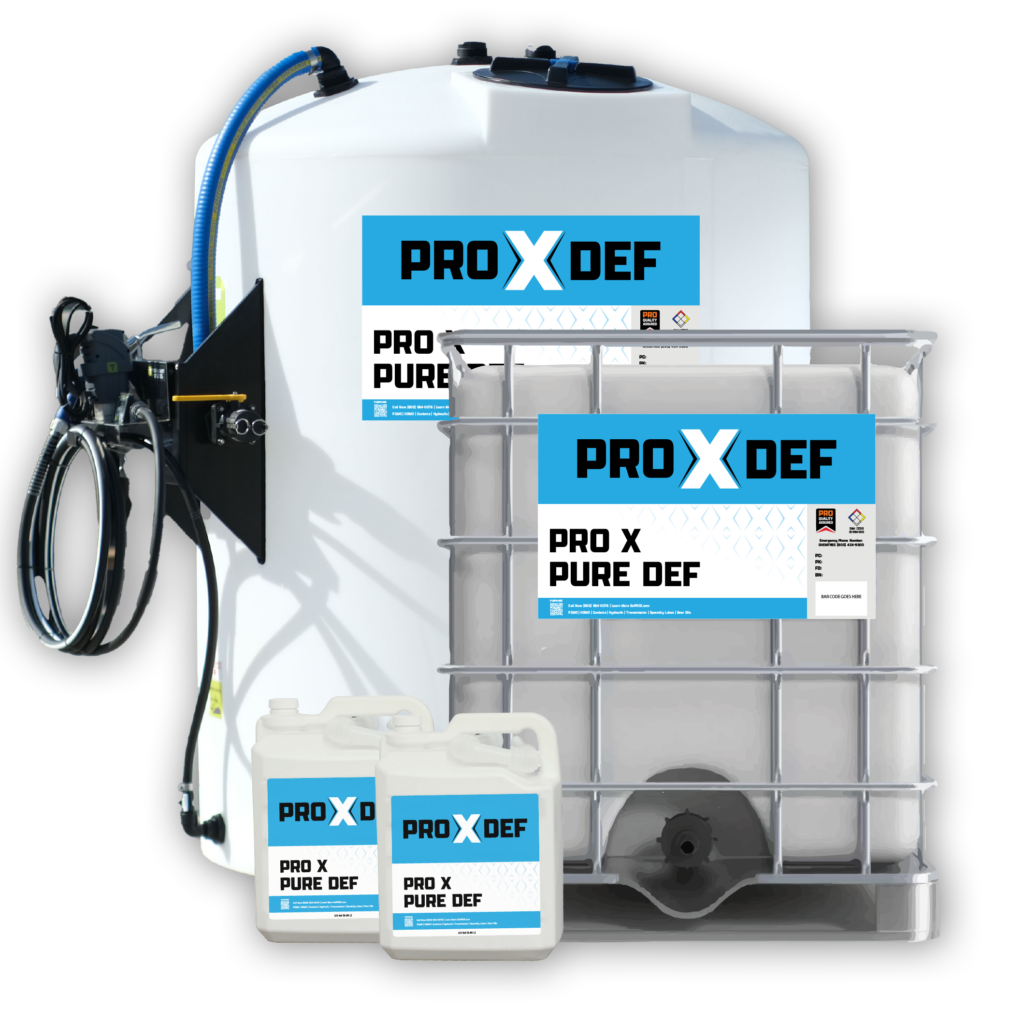

Consistency You Can Count On Starts With Storage
In professional operations, consistency is critical. DEF that performs correctly today must deliver the same results weeks or months later. Variability in DEF quality introduces uncertainty, making emissions issues harder to diagnose and complicating maintenance planning.
Proper DEF storage preserves the fluid’s intended composition throughout its usable life. Controlled temperatures, sealed containers, and protection from sunlight and airborne contaminants maintain stability over time. When stored correctly, maintenance teams can be confident that emissions-related issues are not caused by degraded fluid.
Consistent storage also streamlines operations. Reliable DEF quality enables predictable refilling schedules, faster troubleshooting, and SCR systems that perform as designed. PRO X views storage consistency as a fundamental requirement, not an optional enhancement.
Engineered for Longevity and Cost Efficiency
Improper DEF practices may seem cost-effective initially, but they often lead to far greater long-term expenses. Contaminated or degraded DEF can damage injectors, sensors, and catalysts, resulting in costly repairs.
Proper DEF handling supports system health and efficiency, reducing emissions-related faults and extending SCR component life. Benefits include fewer repairs, lower risk of engine derates, and reduced maintenance costs.
PRO X approaches DEF management as a long-term value decision: investing in correct storage and handling upfront minimizes downtime, prevents emergency repairs, and maximizes system longevity.
Versatility Across Fleets and Applications
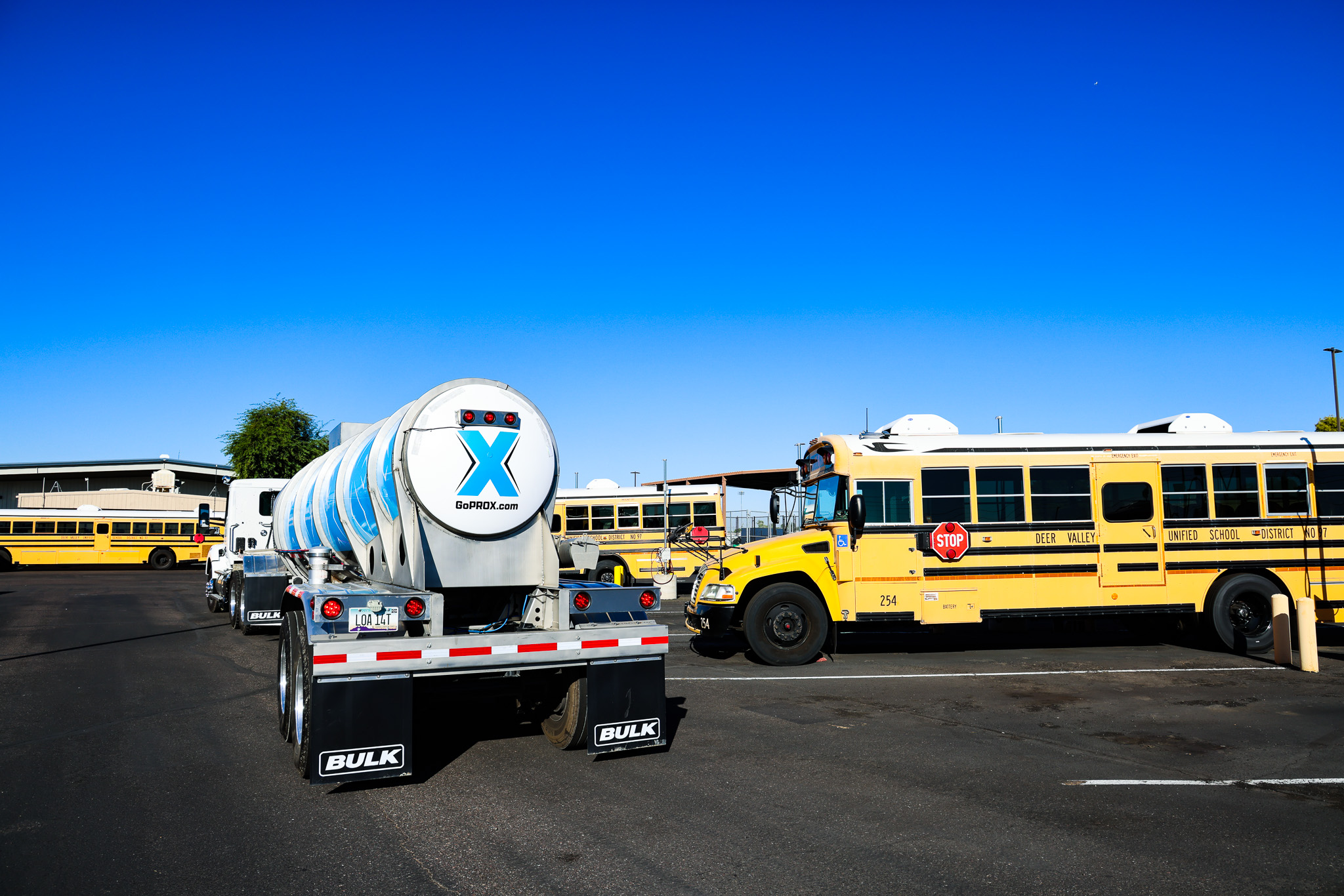
DEF is used across a wide range of diesel-powered equipment, each with unique operating conditions. From on-road commercial fleets to construction machinery, agricultural equipment, and stationary generators, environments vary, but the principles of proper DEF management remain consistent.
PRO X–aligned DEF practices support diverse applications without adding complexity. Standardized storage procedures maintain quality across sites and regions, while consistent handling ensures DEF performance does not vary between vehicles or equipment types.
This uniform approach reduces confusion, enhances compliance, and delivers consistent results across all applications, reinforcing operational reliability and efficiency.

Field-Tested DEF Practices
DEF management must perform in the field, not just in theory. PRO X applies the same performance-first mindset used for professional-grade lubricants to DEF storage and handling.
Practices are validated under real-world conditions—temperature extremes, high-use turnover, outdoor storage, and busy fleet operations—ensuring reliability even under pressure.
The result: DEF stored and handled to proven standards performs consistently, keeping emissions systems functioning as intended.

A Partner, Not Just Guidance on DEF
DEF management is not a one-time setup—it requires ongoing attention, training, and reinforcement. PRO X partners with operators and maintenance teams to protect SCR systems, minimize downtime, and maintain compliance through proper DEF storage and handling. Reliability is achieved through consistent daily practices, not occasional efforts.
Guided by real-world needs and long-term performance goals, PRO X integrates DEF management into a broader framework of operational excellence, supporting fleets and equipment across every application.