How Industrial Chemicals Support Equipment Maintenance
Consistency is essential in industrial operations. Assets are engineered to perform continuously under varying loads, usage demands, and operating conditions. While mechanical components often receive primary focus, the role of supporting materials—particularly industrial chemicals—is equally important in maintaining that consistency.
In practice, industrial chemicals are used to clean, condition, and stabilise equipment surfaces, helping systems operate within defined performance parameters. They remove contaminants that can hinder efficiency, protect against damaging influences, and support overall system balance.
When applied correctly, industrial chemicals form an integral part of a preventative maintenance strategy. While they do not replace the need for mechanical servicing, they significantly reduce its frequency by limiting the conditions that contribute to wear, corrosion, and performance variation.
The Role of Industrial Chemicals in Preventing Equipment Degradation
Equipment failure does not occur instantly; it develops over time as a result of contaminants, operating conditions, and normal wear. These factors gradually affect the interaction between components, leading to reduced performance.
Industrial chemicals are used proactively to address these risks before they escalate. They help reduce or eliminate the conditions that contribute to deterioration, supporting more stable and reliable operation.
For example, detergents remove oils and debris that can restrict movement and efficiency, while anticorrosion agents create protective barriers that limit exposure to damaging conditions. Together, these solutions help slow the progression of wear.
From a maintenance perspective, this represents a shift from reactive repair to preventative management. Rather than addressing faults after they occur, the focus is placed on maintaining consistent performance and system stability over time.
Cleaning Functions That Support Performance Stability
Cleaning is one of the most visible applications of industrial chemicals, but its value extends beyond surface appearance. Contaminants such as grease, dust, and residue can significantly impact component function, particularly in systems that depend on precision and consistent contact.
Even minimal buildup can introduce operational variation. Movement may become less smooth, alignment can be slightly affected, and friction may increase in specific areas, all of which can influence overall performance.
Common cleaning applications include removing oil and grease from mechanical components, clearing fine particulate accumulation from moving surfaces, preparing parts prior to assembly or reinstallation, and maintaining clean contact points for reliable operation.
The use of appropriate industrial chemicals ensures these processes are both effective and repeatable. Surfaces are restored to a condition that allows components to function as intended without interference.
From a maintenance perspective, this reduces variability across systems. Components operate more consistently, supporting more predictable and stable equipment performance over time.

Surface Protection and Corrosion Control
A key factor affecting equipment lifespan is ongoing exposure to operating conditions that can lead to surface degradation over time. These factors may contribute to corrosive damage or gradual component failure if not properly managed.
Protective industrial chemicals are used to mitigate this risk by forming a barrier on exposed surfaces, reducing direct contact with conditions that drive deterioration and slowing surface change over time.
This is particularly important in industries where equipment operates under varying or demanding conditions. Even when equipment is idle, surfaces can still be affected by residual exposure and ongoing material interaction.
The application of protective industrial chemicals helps preserve the condition of critical components and prevents corrosion from developing unnoticed.
From a maintenance perspective, this results in fewer unexpected issues. Components remain in better condition for longer periods, supporting extended service life and more consistent operational performance.
Proper Surface Preparation
Lubrication effectiveness depends heavily on surface condition, as contaminants or unprepared surfaces can prevent even distribution.
Industrial chemicals are used to clean and prepare surfaces prior to lubrication, removing residues that can interfere with performance.
Without proper preparation, lubrication can become uneven, leading to inconsistent wear and increased friction in certain areas.
By ensuring surfaces are properly prepared, lubrication is more consistent, supporting stable component operation.
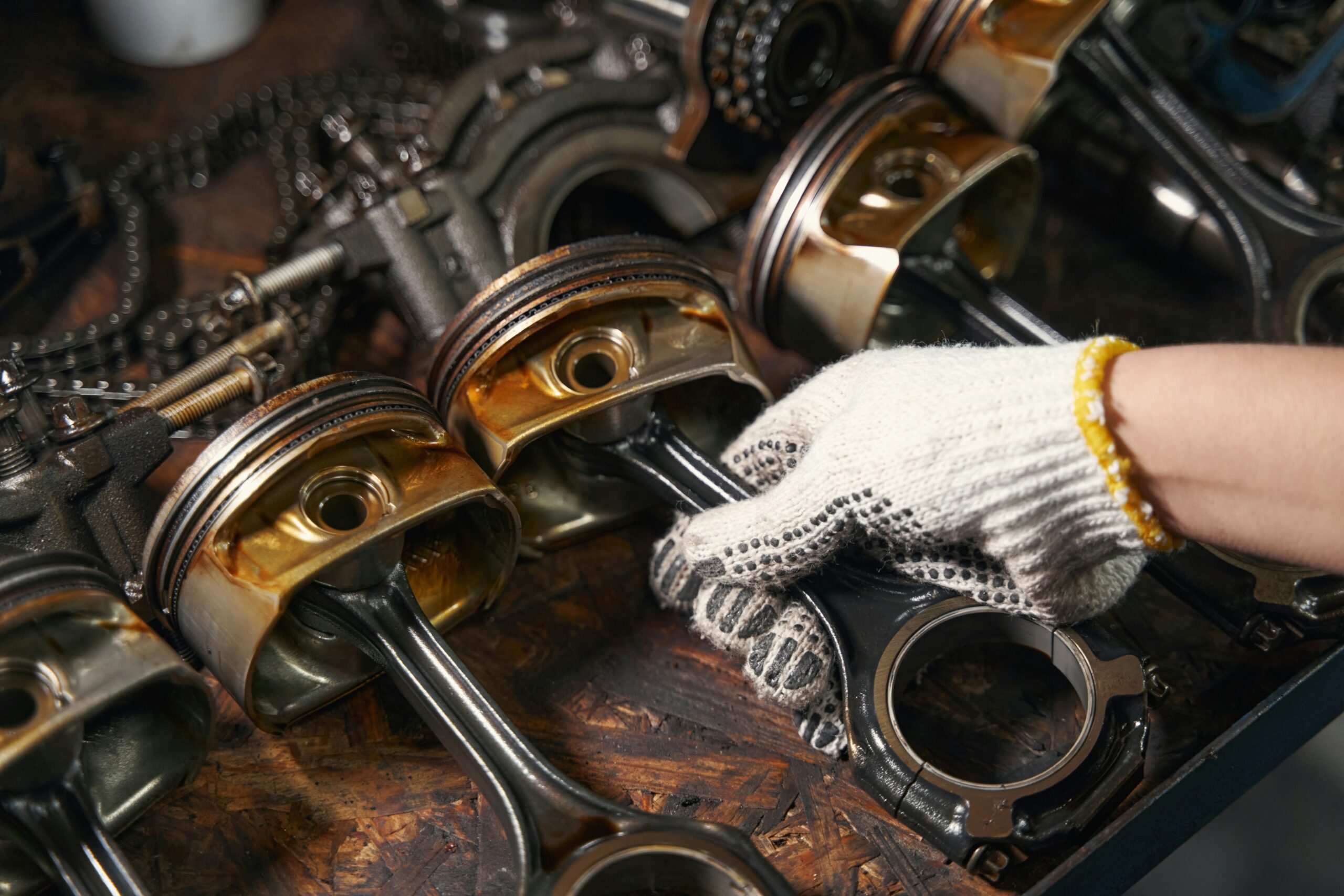
Risks Associated with Inconsistent Chemical Use
The effectiveness of industrial chemicals depends not only on product selection but also on consistent application. Inconsistent use can create uneven conditions across equipment and impact overall performance.
Common issues include incomplete cleaning that leaves residue behind, irregular application of protective coatings, use of different products for similar tasks, and omission of key preparation steps before lubrication.
While these inconsistencies may not cause immediate failures, they gradually introduce variability in performance that becomes more evident over time.
Maintaining consistent application of industrial chemicals helps reduce this variability by ensuring all components are treated uniformly.
From a maintenance perspective, this supports more predictable servicing schedules and reduces the likelihood of unexpected equipment issues.
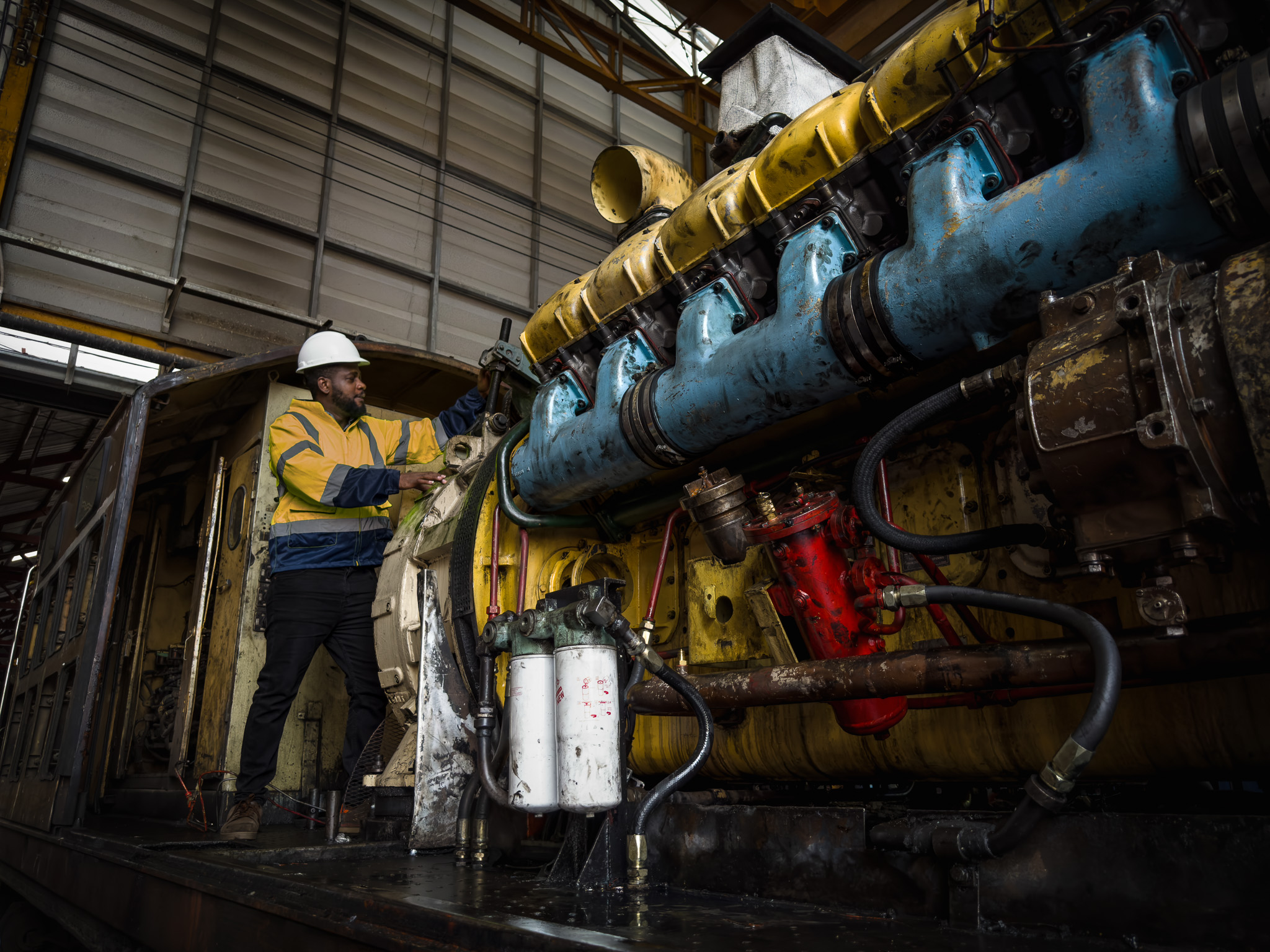
Matching Chemical Selection to Operating Conditions
Equipment operates under different conditions such as temperature, workload, exposure, and environment, all of which affect chemical performance.
Industrial chemicals must be selected based on these conditions to ensure reliability and effectiveness.
High temperatures, moisture, dust, and operating frequency all influence the type and application of chemicals required.
Proper alignment improves consistency, ensuring chemicals perform as intended over time.
From a maintenance perspective, this supports predictable operation and reduces the need for reactive servicing.

Long-Term Impact on Equipment Maintenance Efficiency
Over time, industrial chemicals contribute to more stable and predictable maintenance schedules by keeping equipment clean, protected, and properly prepared.
This reduces variability and shifts maintenance from reactive repairs to more structured, planned activity.
Consistent use helps maintain operating conditions, supporting better equipment efficiency and more reliable performance.
The result is improved overall system stability, reduced unexpected downtime, and more efficient use of maintenance resources over time.