

Full Synthetic vs Synthetic Blend Motor Oil Explained
The correct motor oil selection provides critical protection for engines, ensuring consistent operational performance over extended periods. PRO X recognizes two primary categories of motor oil: full synthetic and synthetic blend. Both options offer superior performance compared to conventional oil, yet they differ significantly in formulation, effectiveness, cost structure, and long-term value.
Understanding these distinctions is essential for drivers, fleet managers, and equipment operators, enabling informed maintenance decisions. This guide outlines the characteristics of each oil type, including performance mechanisms, ideal operating conditions, and compatibility with various vehicle types.
What Is Full Synthetic Motor Oil?
Full synthetic motor oil is a precisely engineered formulation designed to deliver optimal engine performance, superior operational stability, and comprehensive engine protection. Unlike conventional oils, which derive their properties directly from crude oil processing, synthetic oils achieve performance through advanced molecular design.
This engineered consistency provides full synthetic motor oil with:
Exceptional resistance to thermal breakdown
Enhanced oxidation stability
Reduced sludge and deposit formation
Improved cold-start performance
Superior protection under extreme conditions
The uniform molecular structure reduces internal friction and enhances lubrication efficiency. Full synthetic motor oil is ideal for high-performance engines and turbocharged vehicles that operate under demanding temperature conditions. For operators seeking maximum engine protection and extended oil change intervals, full synthetic motor oil delivers reliable, long-lasting performance.
What Is Synthetic Blend Oil?
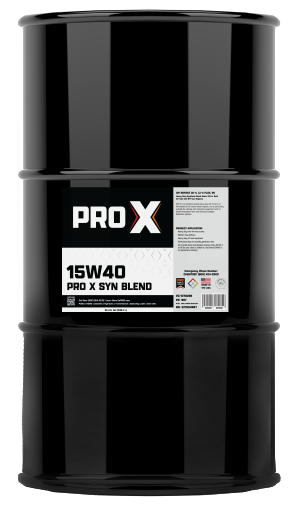
Synthetic blend, or semi-synthetic, motor oil combines conventional mineral oil with a measured percentage of synthetic base oil. This formulation is designed to provide improved performance over standard oil while offering a cost point between conventional and full synthetic options.
Typically, synthetic blend oil delivers:
Enhanced oxidation resistance compared to conventional oil
Improved temperature stability
Moderate protection against sludge formation
Better wear protection
The proportion of synthetic base oil varies among manufacturers, resulting in differences in performance across brands. For operators seeking greater protection than conventional oils at a more accessible price than full synthetic, synthetic blend motor oil provides a practical, reliable solution.


Performance Differences in Extreme Conditions
The primary difference between full synthetic and synthetic blend motor oil lies in their ability to maintain performance under extreme temperatures and demanding operational conditions. Full synthetic oils offer improved flow at startup in cold weather, protecting engine components during initial operation. They maintain consistent viscosity even under high-temperature conditions, whereas synthetic blends can begin to break down at lower temperatures.
Synthetic blend oil delivers adequate performance for standard driving in typical conditions; however, its effectiveness diminishes under high loads or extended periods of continuous operation. Full synthetic motor oil provides superior engine protection and performance for vehicles operating in extreme heat, freezing temperatures, or high-performance driving scenarios.
Engine Protection & Wear Control
Engine wear is a leading cause of long-term mechanical issues. Proper lubrication reduces friction and protects components from premature damage. Full synthetic motor oil forms a stable protective film, maintaining consistent molecular structure and enhanced wear protection—especially for high-compression and turbocharged engines.
Synthetic blend oil offers better protection than conventional oil but may not match the long-term durability of full synthetic formulations. Using full synthetic oil delivers maximum engine protection and can help reduce maintenance costs.

Oil Change Intervals and Maintenance Costs
The primary advantage of full synthetic motor oil is extended operational longevity, thanks to its superior resistance to oxidation and thermal breakdown. Longer intervals provide:
Fewer service visits
Reduced labor costs
Less fleet downtime
Lower waste oil generation
Synthetic blend oil requires more frequent changes than full synthetic oil, though still less often than conventional oil. While full synthetic oil carries a higher initial cost, this is offset by fewer oil changes over time. Evaluating total ownership costs, rather than individual service expenses, highlights the long-term financial benefits of full synthetic motor oil.

Fuel Efficiency & Engine Performance
Engine efficiency depends on the quality of lubrication. Proper lubrication reduces internal friction, promoting smoother and more effective operation. Full synthetic motor oil minimizes internal resistance more efficiently due to its refined molecular composition, resulting in smoother throttle response and improved operational performance.
Synthetic blend oil provides better efficiency than conventional oil but does not match the friction reduction of full synthetic oil. For drivers seeking enhanced performance, quieter operation, and faster throttle response, full synthetic motor oil delivers clear advantages.

Cost Comparison & Value Assessment
Price often influences motor oil choice, with synthetic blends costing less per quart than full synthetic oil. However, long-term value depends on driving conditions, engine type, and maintenance needs.
Full synthetic oil delivers superior protection, extended service life, and is ideal for extreme temperatures or high-performance engines. Synthetic blends provide adequate protection for moderate use at a lower cost. Selecting the right oil ensures optimal engine performance, durability, and cost-effectiveness.
