
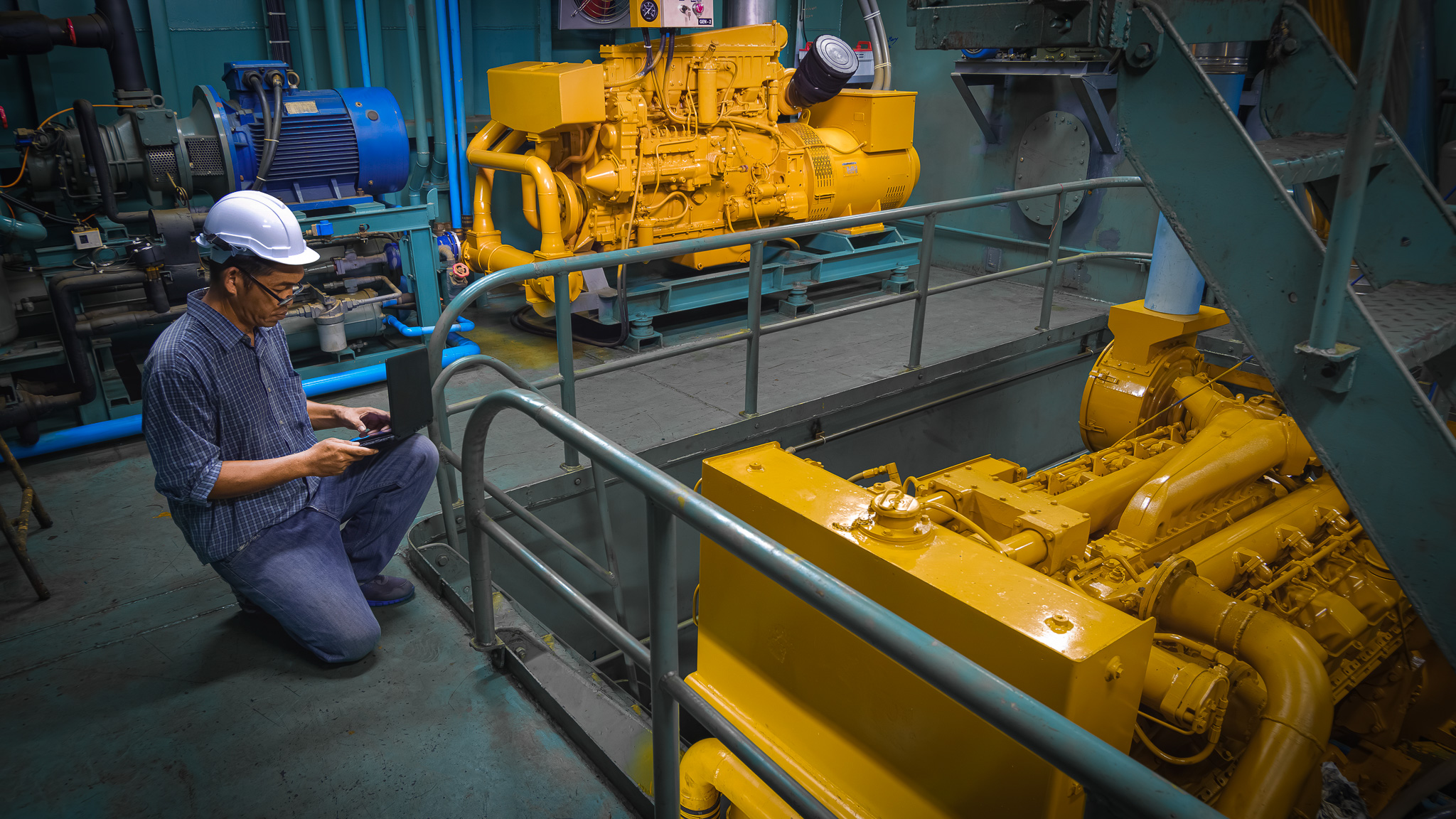
Fluids That Support Reliable Power Generation
Power generation systems often go unnoticed until a failure occurs. When a generator struggles to start or shuts down unexpectedly, the impact is immediate. Hospitals, data centers, and industrial facilities cannot tolerate such inconsistencies.
While attention frequently focuses on engine capacity, electrical output, or system design, fluid quality plays a critical, yet often overlooked, role. The type of oil used, its performance under stress, and its longevity all contribute to the dependable operation of these systems.
Selecting high-quality power generation lubricants and a reliable generator engine oil is not simply a maintenance task—it is a critical step in ensuring the system performs precisely when it is needed.
Why Fluid Reliability Matters in Power Systems
Power generation systems rarely operate under predictable conditions. Some are constantly in motion, while others remain idle until sudden full-throttle operation is required. In both scenarios, fluid reliability is essential.
Even minor lubrication issues can cause subtle but critical problems: friction increases, components run hotter than normal, and overall performance begins to decline. These early signs are often overlooked because they are not immediately dramatic.
High-quality power generation lubricants maintain a stable internal environment by minimizing resistance between moving components and efficiently conducting heat away from sensitive areas.
Properly formulated generator engine oils ensure smooth startups and prevent engines from being overstrained. This reliability is particularly crucial for backup systems, which are most vulnerable at the moments they are needed the most.
The Demands of Continuous and Backup Power Operations
Power generation equipment serves a variety of roles depending on configuration. Some systems operate continuously, 24 hours a day, while others remain on standby, activating only during outages or peak demand.
Each scenario presents unique challenges:
- Continuous systems endure constant heat and mechanical stress.
- Backup systems experience long periods of idleness followed by sudden full-load operation.
- Temperature variations over time can impact fluid performance.
- Extended use can gradually degrade fluid effectiveness.
For continuous operations, power generation lubricants must withstand ongoing stress, resisting breakdown while consistently protecting components without frequent replacement.
In standby systems, generator engine oils face a different demand. Even after extended periods of inactivity, the fluid must retain its protective qualities, ensuring reliable performance when called upon.
Achieving optimal performance requires selecting fluids specifically designed for each type of operation rather than relying on generic solutions.
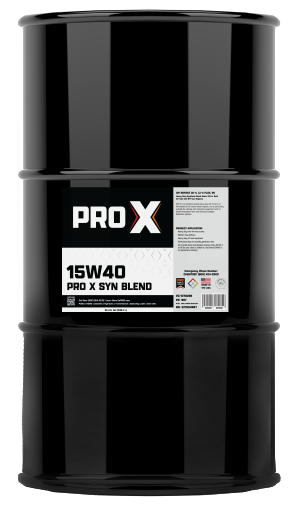
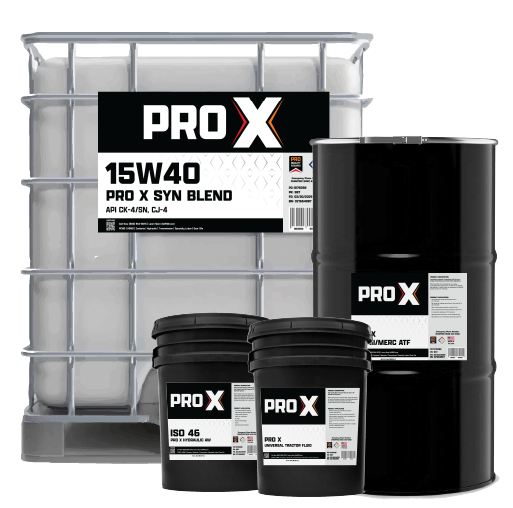

Key Functions of Lubricants in Power Generation Equipment
Lubricants in power generation systems serve far more than reducing friction—they perform multiple critical functions that directly support system reliability.
Key functions include:
- Minimizing friction between moving components.
- Absorbing and distributing heat effectively.
- Preventing corrosion and oxidation.
- Transporting contaminants to maintain internal cleanliness.
Power generation oils must be of high quality to perform all these functions reliably over time without degradation.
Similarly, premium generator engine oils ensure smooth engine operation, even under high-load conditions. They support consistent performance and help prevent sudden disruptions. When these functions are executed effectively, the entire power generation system operates more predictably and reliably.
Managing Heat and Preventing Thermal Breakdown
Heat is one of the most significant challenges in power generation systems, as engines and components generate substantial thermal energy during operation. If not properly managed, this heat can lead to accelerated wear or system failures.
High-quality power generation lubricants absorb and distribute heat effectively, preventing it from concentrating in critical areas. They are designed to maintain their viscosity and protective properties even under elevated temperatures. Similarly, premium generator engine oils resist degradation over time, ensuring reliable operation during prolonged use. By maintaining fluid stability, these oils protect components, minimize wear, and help power generation systems perform consistently when it matters most.

Reducing Wear and Extending Equipment Life
Wear is a gradual process that can significantly impact performance and reliability over time. Even minor friction between inadequately lubricated components can accumulate, eventually leading to failure.
High-quality power generation lubricants minimize wear by forming a protective layer between surfaces, preventing direct contact and damage. Similarly, properly formulated generator engine oils support long-term engine health, shielding internal components and ensuring consistent operation. By reducing wear, these fluids extend equipment life, lower maintenance costs, and maintain system reliability over the long term.

Common Fluid-Related Issues in Power Systems
Even well-designed systems can experience problems if fluid management is neglected. Common issues include contamination from dust, water, or fuel, delayed oil changes, using the wrong fluid, and ignoring signs of breakdown.
These factors reduce lubricant effectiveness and lead to inconsistent system performance. Selecting the right generator engine oil and performing regular checks and replacements are essential for maintaining reliability and long-term system stability.

Choosing the Right Fluids for Power Generation Systems
Selecting the right fluids may seem simple, but it requires careful consideration. Systems have different needs, and one-size-fits-all solutions are rarely effective. Factors such as operating temperature, load, and equipment type should guide fluid choice.
High-quality power generation lubricants and properly specified generator engine oils ensure consistent performance, protect components, and maintain reliability—whether systems run continuously or remain on standby.
Ultimately, making the right fluid choices is a small step that delivers significant long-term impact on system performance and dependability.