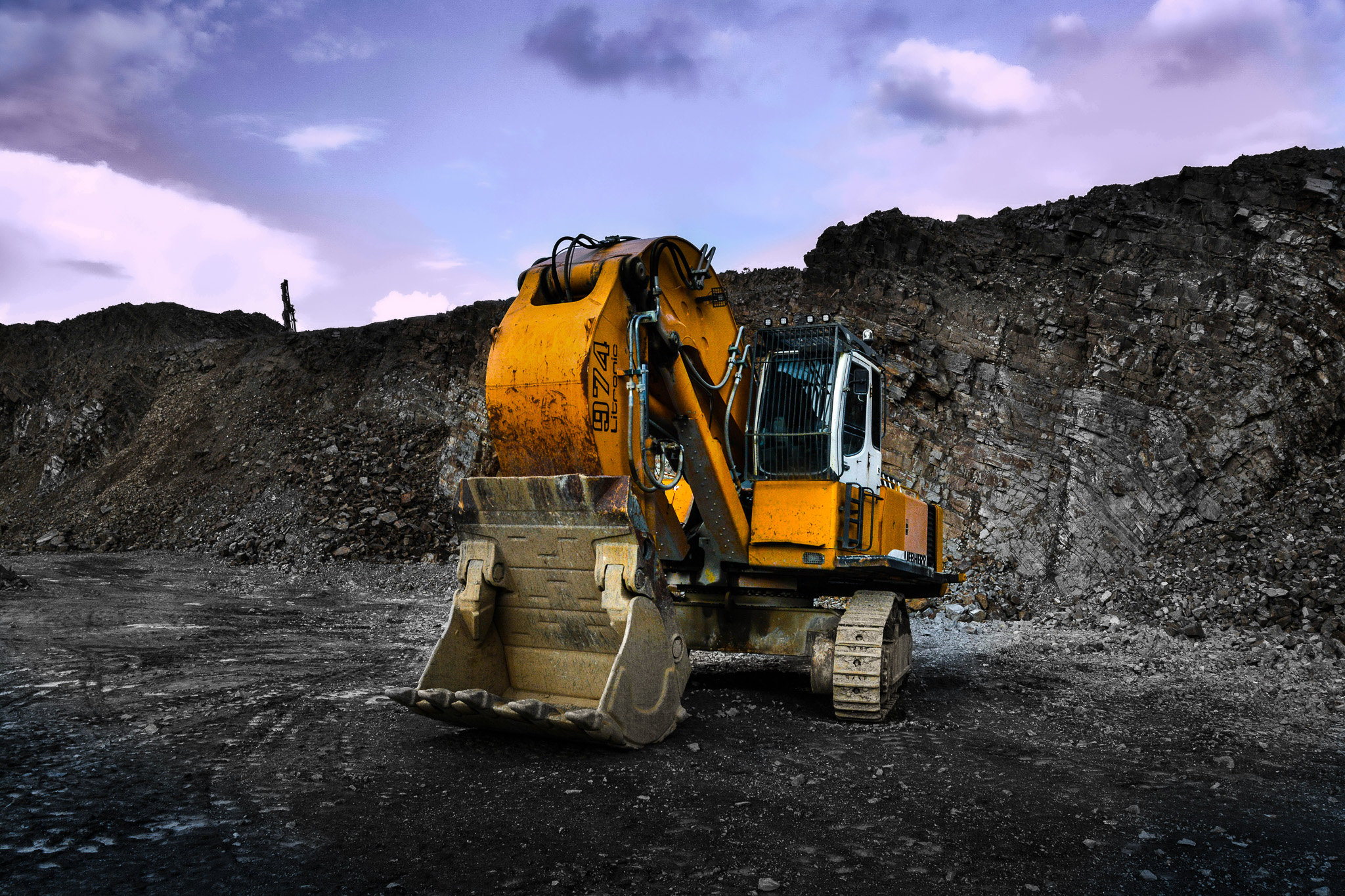

Choosing Fluids for Construction Equipment Reliability
Construction professionals know that machinery rarely fails at convenient times. Breakdowns seldom occur when operations are idle—they typically happen when deadlines are pressing, work is in full swing, and even a brief delay can have significant consequences.
This reality makes reliability a critical factor in construction equipment performance. While discussions often focus on engines, hydraulics, or operator skill, the role of fluids is frequently overlooked. In practice, the selection and management of construction fluids directly influence equipment reliability.
Using the right lubricants and heavy equipment fluids is not merely routine maintenance; it is a strategic decision that can determine whether machines continue operating smoothly or begin to disrupt productivity.
Why Fluid Selection Is More Important Than It Seems
It may be tempting to assume that all fluids are interchangeable—after all, oil is oil, right? The reality is different. Different machines, and even individual components within the same machine, require specific lubrication and fluid performance to operate optimally.
Fluids do more than reduce friction. They transfer heat, cushion surfaces, and help maintain internal cleanliness within machinery. Using the wrong type may not produce immediate consequences, but over time it can lead to reduced efficiency, overheating, and unexpected wear.
High-quality construction equipment lubricants are engineered to handle the load, pressure, and temperature fluctuations typical on job sites. Choosing the correct heavy equipment fluids ensures that hydraulic systems, transmissions, and engines operate in harmony, minimizing unnecessary stress. The emphasis is not on reacting to problems but on preventing them before they occur.
Understanding the Demands of Construction Environments
Construction sites are inherently demanding. Dust, rubble, temperature fluctuations, and long working hours are all part of daily operations. Machinery is not operated in controlled environments—it performs under real-world conditions.
Fluids are vulnerable to contamination. Dust can make them abrasive, water can reduce lubrication efficiency, and extended heavy workloads generate heat that stresses components. Standard fluids often struggle to maintain performance under these conditions.
Construction equipment lubricants are engineered to withstand contamination and maintain effectiveness even in challenging environments. High-quality heavy equipment fluids also help systems remain stable under pressure. Whether it is a hydraulic system handling heavy loads or an engine operating continuously, the right fluid ensures consistent performance regardless of operating conditions.

Key Types of Fluids Used in Construction Equipment
Not all fluids are created equal, and understanding their roles is essential for making informed decisions. Each system within a machine requires a specific type of fluid to function optimally.
Key fluid types include:
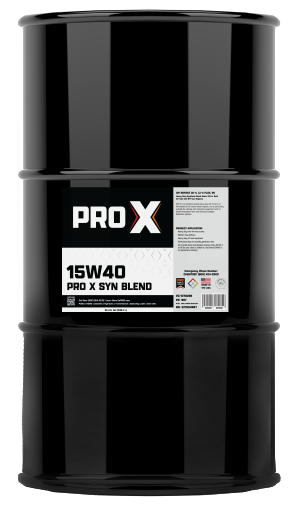
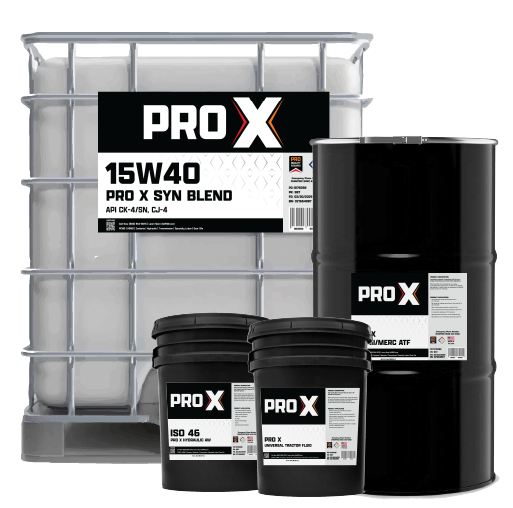
- Engine oils – Reduce friction, manage heat, and protect internal engine components.
- Hydraulic fluids – Transmit power and ensure smooth operation of hydraulic systems.
- Transmission fluids – Facilitate effortless gear changes and minimize wear.
- Coolants – Regulate temperature and prevent overheating.
- Greases – Provide targeted lubrication for joints and bearings.
Each fluid plays a critical role in overall equipment performance. Using high-quality construction equipment lubricants across all these categories ensures comprehensive protection and consistent operation of every component.
How Fluids Improve Reliability
Reliability is not the result of a single factor—it is the cumulative effect of many elements, and fluids play a central role. When lubrication is consistent, components operate smoothly, generating less friction, lower heat, and fewer opportunities for failure. High-quality construction equipment lubricants maintain consistency, protect critical surfaces, and reduce wear that can lead to breakdowns.
Similarly, selecting the correct heavy equipment fluids ensures that hydraulic and transmission systems respond efficiently. Machines operate without delays, jolts, or unexpected inefficiencies. Over time, this stability supports dependable performance. The goal is not to eliminate all problems but to minimize their frequency and impact.
Common Mistakes That Lead to Equipment Failure
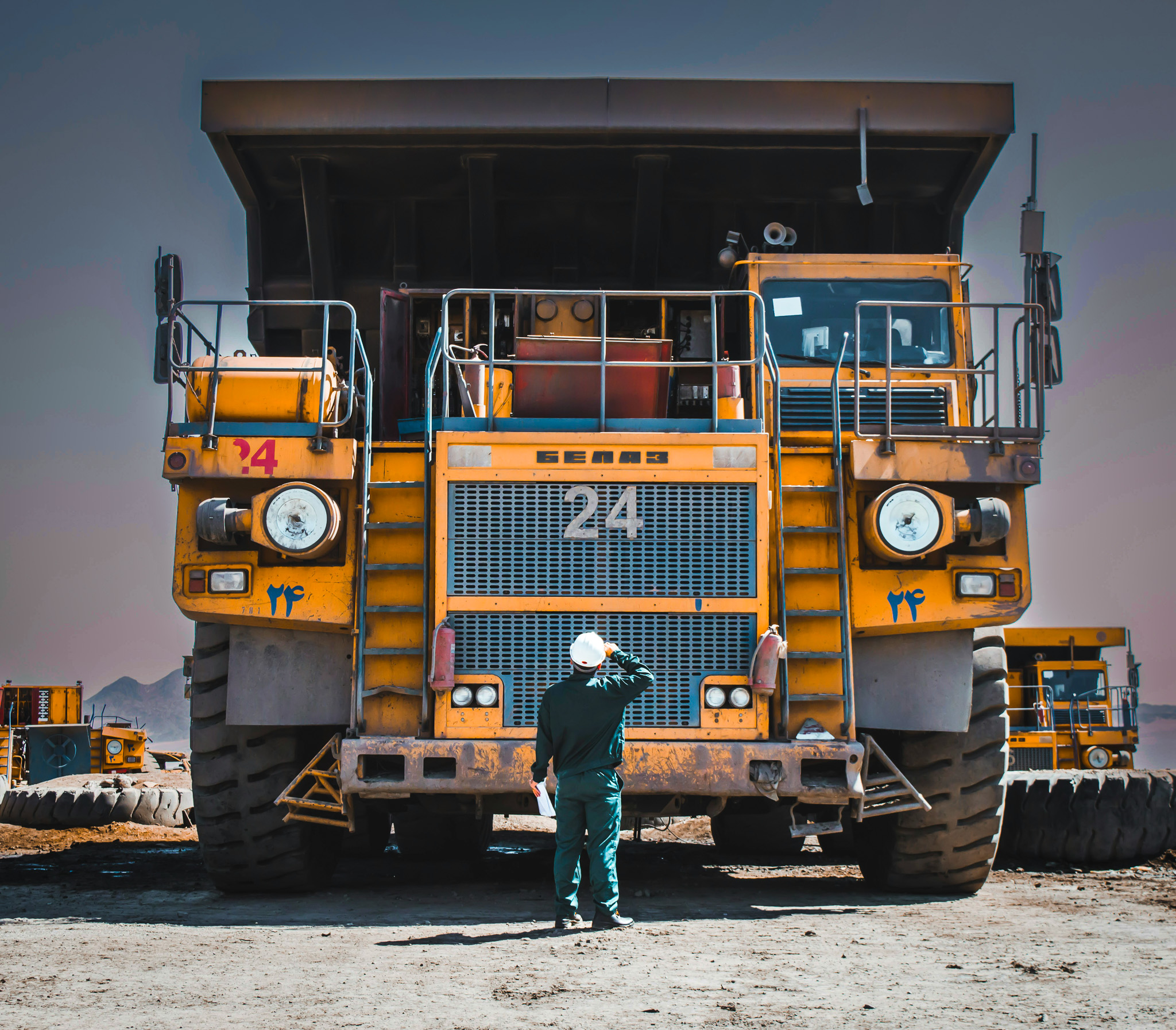
Issues are not always the result of major errors; often, they stem from small, cumulative oversights. Fluid-related mistakes are more common than expected.
Frequent examples include:
- Using the wrong fluid type for a specific system.
- Delaying fluid changes beyond recommended intervals.
- Overlooking contamination from dust or water.
- Mixing incompatible fluids.
- Assuming one fluid works effectively across all machines.
Though these errors may seem minor, they can significantly shorten equipment life. Using the correct construction equipment lubricants prevents unnecessary wear, while selecting the appropriate heavy equipment fluids maintains system efficiency. Most failures are not sudden—they are the result of small issues compounding over time.
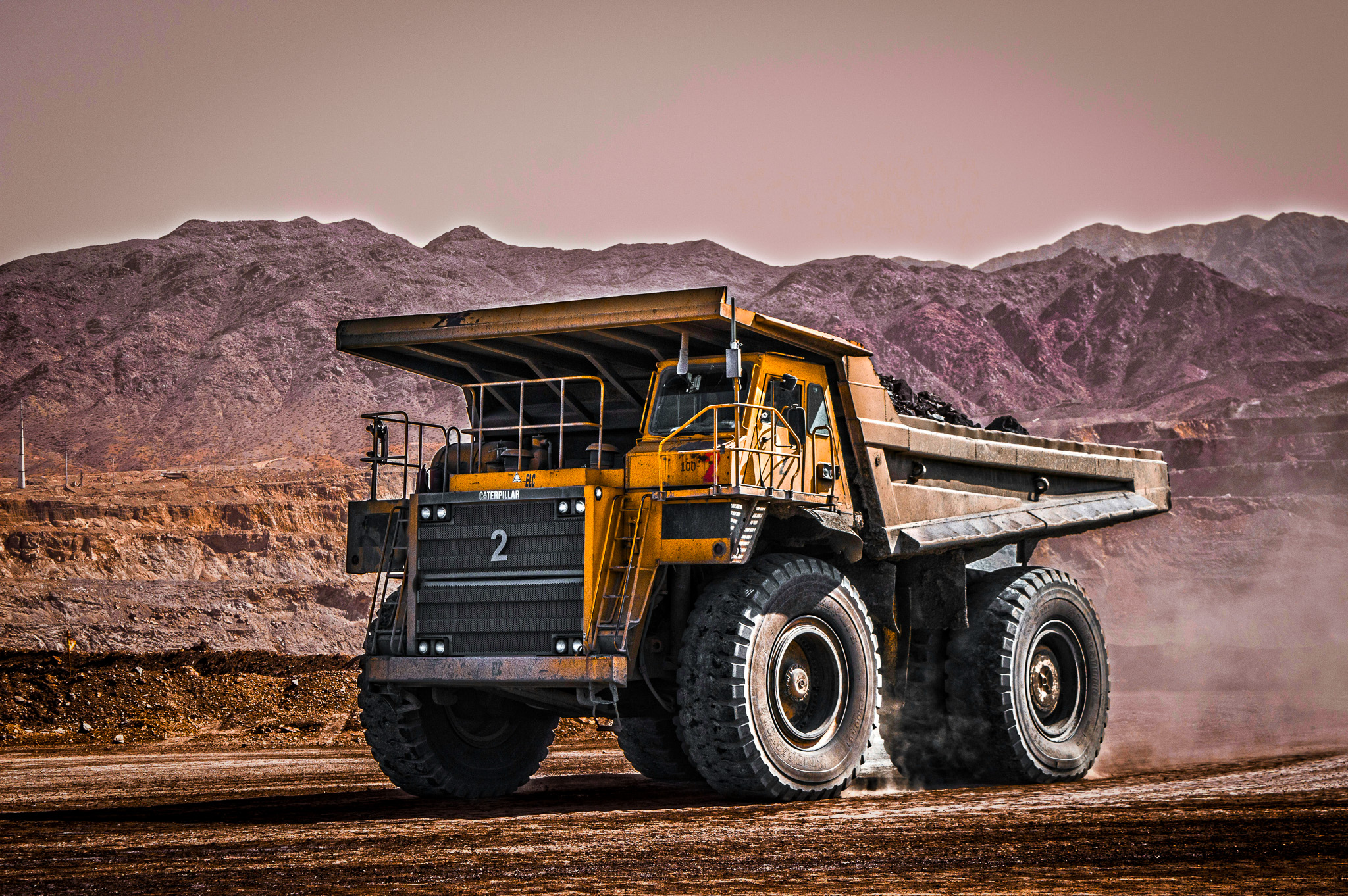
Fluids Engineered to Withstand High-Pressure Operations
Construction equipment operates continuously—lifting, digging, and moving materials under constant load. These operations generate pressure and heat, particularly in engines and hydraulic systems. If not properly managed, such conditions can lead to fluid breakdown and component damage.
High-quality construction equipment lubricants are engineered to remain stable under stress. They resist rapid degradation and continue to provide essential protection.
Similarly, long-lasting heavy equipment fluids help maintain pressure balance and ensure systems operate efficiently. This is especially critical in hydraulic systems, where consistent performance is essential. The objective is not to eliminate stress but to enable equipment to endure it reliably.

Matching Fluids to Equipment and Application Needs
Every machine has unique requirements, even on the same job site. Following manufacturer recommendations ensures fluids are matched to load, temperature, and operational demands.
High-quality construction equipment lubricants and heavy equipment fluids protect components and maintain system efficiency. Regular monitoring, timely fluid changes, and consistent maintenance—simple but disciplined practices—prevent problems and keep machinery operating reliably between service periods.