
Bulk Diesel Exhaust Fluid vs Packaged DEF for Fleets
Fleet diesel exhaust fluid (DEF) is now an essential component of modern diesel operations—not an optional add-on. As emissions regulations become stricter and Selective Catalytic Reduction (SCR) systems are standard across diesel vehicles and equipment, fleets must make strategic decisions regarding DEF sourcing, storage, and delivery. A common challenge for fleet operators is determining whether bulk delivery or packaged containers best meet their needs.
The decision between bulk and packaged DEF extends beyond simple cost considerations. It directly affects logistics, storage capacity, quality control, operational efficiency, and long-term reliability. For large-scale fleets, DEF supply choices can influence uptime, maintenance predictability, and confidence in regulatory compliance. By understanding the advantages and limitations of each supply model, fleet managers can develop a DEF strategy tailored to operational demands and long-term performance goals.
Understanding DEF Requirements in Fleet Operations
Fleet operations demand a higher level of diesel vehicle management compared with single-vehicle use. Unlike individual vehicles, fleets follow strict schedules, fixed routes, and structured maintenance plans, making DEF a predictable and recurring requirement that must be managed with precision and consistency.
As fleet size grows, DEF consumption increases rapidly. SCR-equipped trucks consume DEF continuously based on engine load, duty cycle, and emissions output, creating an ongoing demand that cannot be interrupted. Inconsistent supply, improper storage, or compromised fluid quality can quickly disrupt operations and result in costly downtime.
When planning a DEF supply strategy, fleet managers should evaluate several critical factors:
Daily and monthly DEF consumption rates
Storage capacity and refilling processes
Risk of contamination or fluid degradation
Alignment with maintenance schedules
The choice between bulk and packaged DEF depends on fleet size, fueling infrastructure, and operational discipline. Both solutions are effective, but each presents distinct implications for efficiency, control, and long-term reliability.
What Bulk DEF Looks Like in Practice
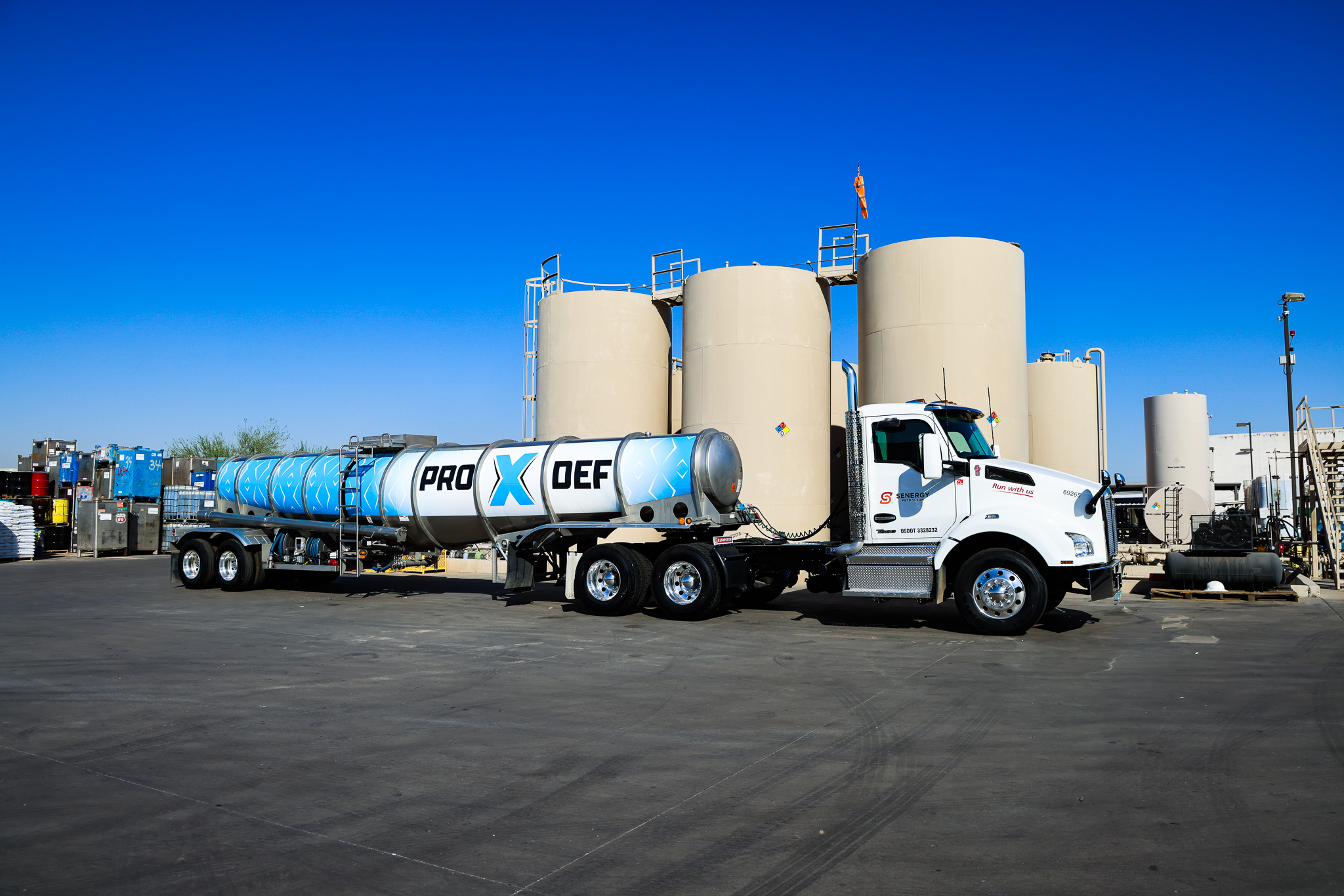
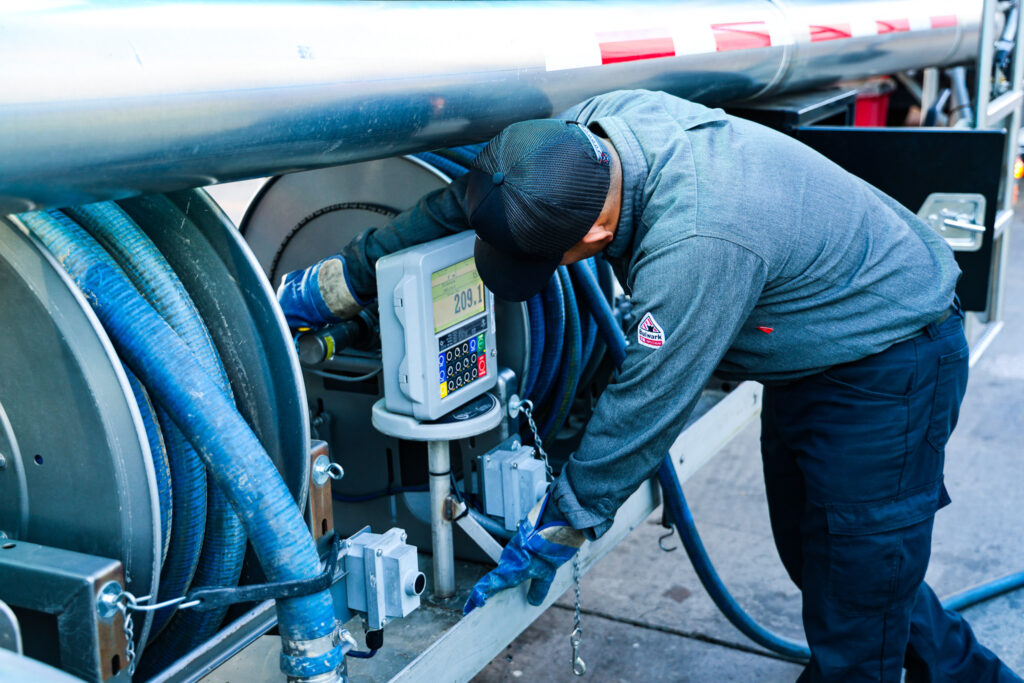
PRO X delivers bulk DEF in large volumes, storing it in dedicated tanks and dispensing it through controlled pumping systems. Larger fleets with centralized depots or high daily vehicle throughput benefit most from this approach.
Bulk DEF lets fleets manage fluid supply alongside fuel and other critical operating fluids. Centralized storage maintains consistent availability, reduces packaging waste, and streamlines refilling processes, allowing vehicles to return to service quickly and minimizing downtime.
Effective bulk DEF management requires proper infrastructure and disciplined operational practices. Fleets must design storage tanks specifically for DEF, clean them regularly, and protect them from contamination. Maintenance of dispensing equipment prevents foreign particles or impurities from entering the fluid.
Bulk DEF maximizes efficiency and scalability for fleets with predictable consumption patterns and centralized operations. While it delivers significant operational advantages, fleets must enforce strict quality control and handling standards to realize its full benefits.

How Packaged DEF Fits Fleet Use Cases
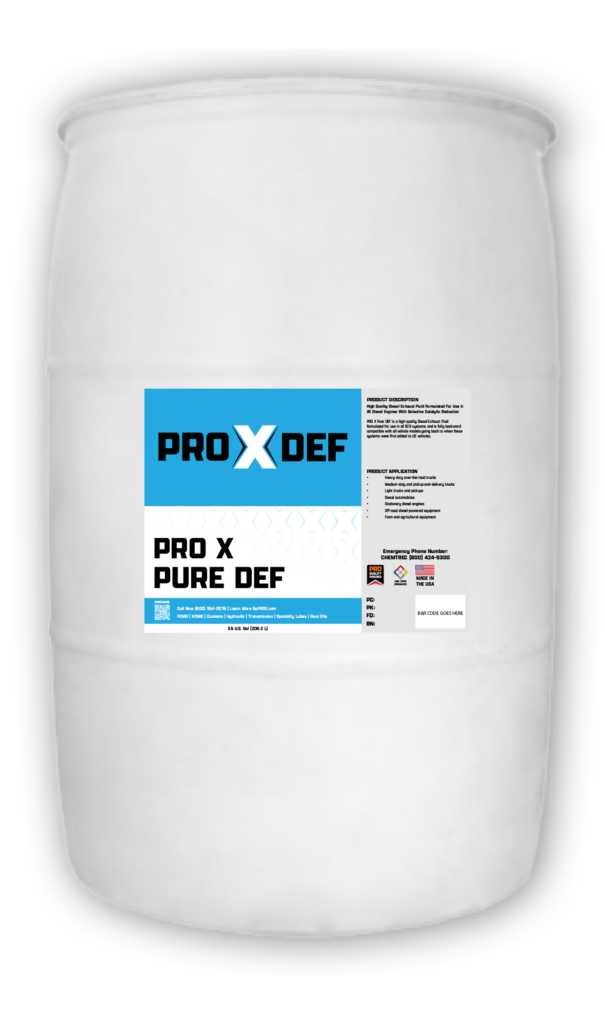
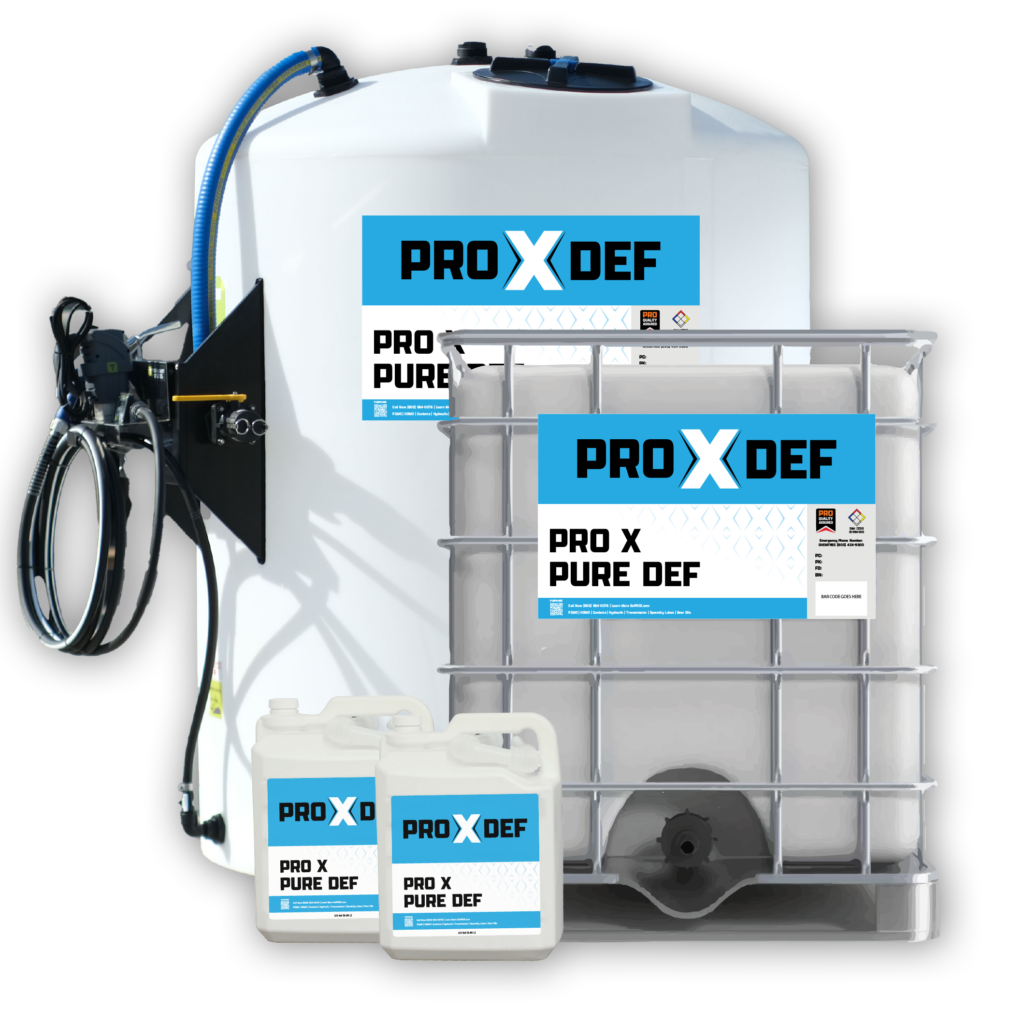
Packaged DEF is supplied in sealed jugs, drums, or intermediate bulk containers (IBCs). This solution is commonly used by smaller fleets, organizations with distributed operations, or facilities lacking centralized fueling infrastructure.
Packaged DEF provides flexibility and convenience. Containers are easy to transport, require minimal storage infrastructure, and can be deployed across multiple locations. Sealed packaging protects the fluid from contamination during storage and transit.
For fleets operating across multiple sites or remote locations, packaged DEF simplifies logistics. Containers can be delivered directly where needed or used at decentralized service points, eliminating the need for permanent on-site storage tanks.
However, packaged DEF is less efficient at scale. Manual handling increases labor requirements, discarded packaging generates waste, and frequent refilling can slow operations. For high-consumption fleets, reliance on packaged DEF may become costly and operationally challenging over time.
Cost Considerations Beyond Unit Price
The cost difference between bulk and packaged DEF extends beyond price per liter. Bulk DEF is typically cheaper, while packaged DEF carries added costs for containers, handling, and distribution. However, true operational cost includes labor, refilling time, waste management, and vehicle turnaround.
Key cost factors to consider:
Labor required for refilling
Storage and handling efficiency
Waste disposal and packaging
Risk of spillage or contamination
Quality Control and Contamination Risk
The performance of SCR systems depends on high-quality DEF. Contaminated or degraded fluid can damage injectors, sensors, and catalysts, leading to costly repairs and reduced engine performance due to emissions derates.
Bulk DEF systems demand rigorous quality management. Storage tanks must remain clean, covered, and protected from heat and contaminants, while dispensing systems should prevent chemical reactions with incompatible materials.
Packaged DEF arrives factory-sealed, minimizing contamination risk during transport and storage, particularly for operations with inconsistent handling practices. However, repeated manual handling—opening containers and pouring by hand—can introduce dirt, spills, or compromised seals.
Regardless of supply method, fleets must adhere to strict handling procedures. Maintaining DEF quality is critical, especially when the fluid is distributed across multiple vehicles, to ensure consistent performance and regulatory compliance.
Operational Efficiency & Speed
In fleet operations, time is critical. Vehicle availability depends on quick and efficient DEF refilling.
Bulk DEF systems offer fast, controlled dispensing, often integrated with normal fueling, reducing downtime and supporting tight turnaround schedules.
Packaged DEF requires manual handling, increasing labor time, risk of spills, and inefficiencies, especially in high-throughput operations. Bulk systems scale more effectively, maximizing efficiency as fleet size grows.

Long-Term Fleet Planning
Fleet operations evolve constantly, with new vehicles, expanded routes, and changing usage patterns. DEF supply solutions must scale alongside these changes.
Bulk DEF supports long-term planning. With the proper infrastructure, increases in consumption are easily managed through expanded capacity and adjusted delivery schedules. Packaged DEF, in contrast, becomes inefficient at scale, adding labor, waste, and storage challenges.
For expanding fleets, bulk DEF offers greater efficiency, standardizes workflows, and minimizes operational friction.
