
Choosing the Right Lubricants for Heavy Duty Equipment
Heavy-duty equipment operates under conditions that place continuous stress on mechanical systems. Long operating hours, heavy loads, harsh job site conditions, and exposure to contaminants all impact equipment performance over time. Under these demanding conditions, lubrication becomes more than a routine maintenance requirement. It plays a critical role in equipment reliability, wear protection, and operational consistency.
Many equipment issues develop gradually rather than appearing suddenly. Increased friction, inconsistent temperatures, and accelerated component wear often begin long before visible failures occur. The quality and type of lubricant used significantly affect how quickly these issues develop and how effectively equipment handles daily operating demands.
Selecting the proper heavy equipment lubricants is an important operational decision, not simply a maintenance task. The right fluids help equipment perform consistently under demanding conditions while reducing the strain that can lead to unnecessary downtime.
For operations focused on long-term performance, dependable industrial oils support smoother equipment operation and more predictable maintenance intervals.
Why Lubrication Matters Beyond Routine Maintenance
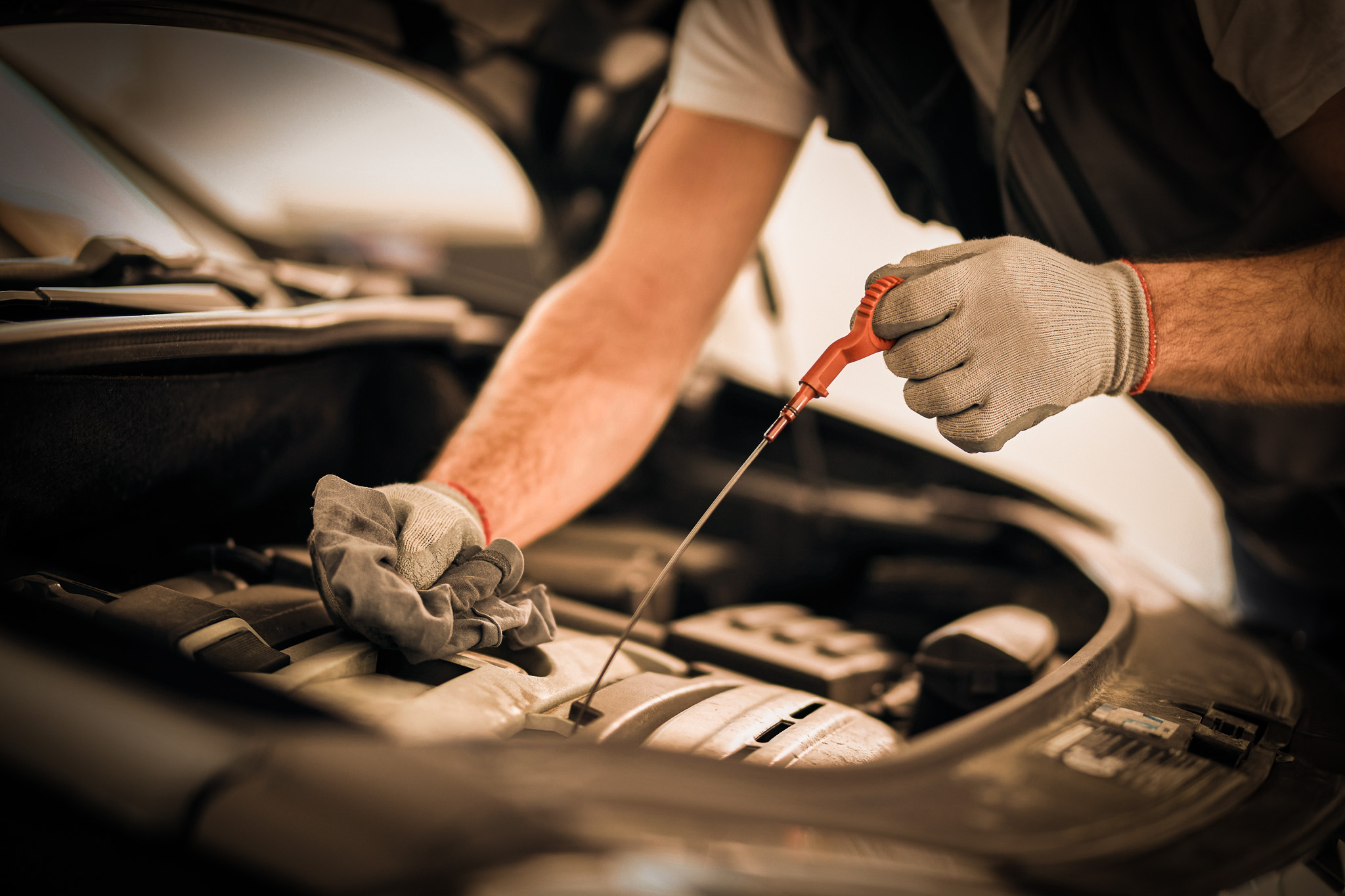
Lubricants help minimize direct contact between moving surfaces, allowing equipment to operate more smoothly while reducing unnecessary friction. They also assist with heat regulation and help remove contaminants generated during operation. Properly maintained fluid conditions support equipment performance within expected operating parameters.
When lubrication quality is maintained, components remain protected, system movement stays consistent, and equipment experiences less operational strain. As lubrication quality declines, however, these conditions gradually begin to change. Increased stress on internal surfaces, inconsistent temperature control, and higher friction levels can all contribute to reduced equipment performance over time.
Reliable industrial lubricants help maintain balanced equipment operation and reduce the gradual instability that can affect long-term performance. High-performance oils provide smoother, more predictable system operation across a wide range of workloads and operating conditions, supporting long-term equipment reliability.
Why Heavy Duty Equipment Requires Specialized Lubrication
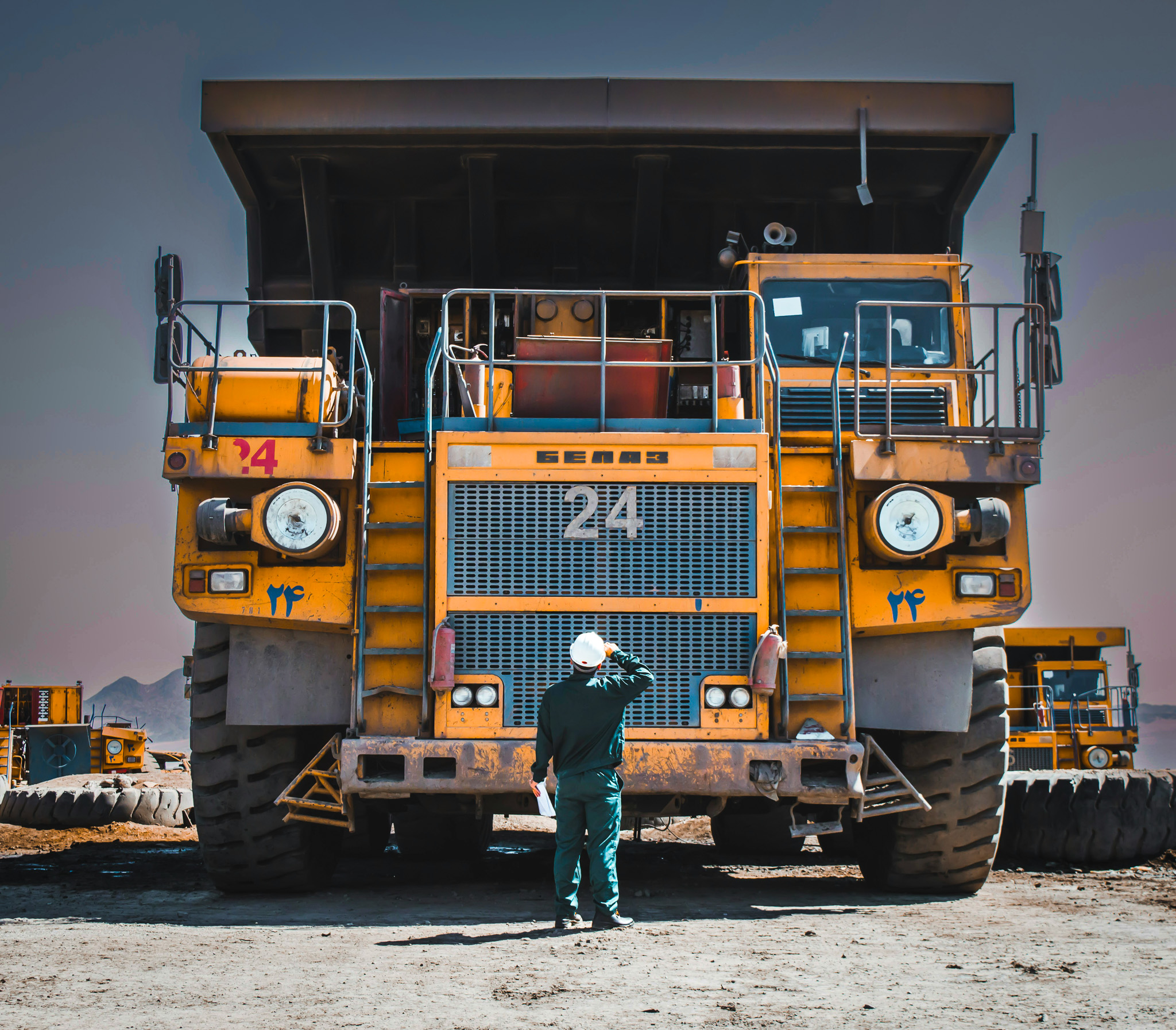
Heavy-duty systems operate under far more demanding conditions than lighter industrial machinery. Equipment used in construction, mining, transportation, and industrial processing often experiences extreme loads, continuous vibration, and constantly changing operating conditions throughout the workday.
These conditions place increased stress on internal components. Friction develops more aggressively, temperatures rise rapidly, and contamination becomes more difficult to manage.
While standard lubricants may perform adequately for a limited time, they often break down more quickly when exposed to continuous pressure and elevated temperatures.
Specialized heavy equipment lubricants are formulated to maintain stability under demanding operating conditions. They help preserve protective performance during extended use and under fluctuating workloads.
For operations that depend on reliability, durable industrial oils help reduce performance inconsistencies and support more stable equipment operation over time.

Understanding Operating Conditions Before Selecting Lubricants
Choosing the right lubricant begins with understanding how equipment is actually used. Even within the same facility or fleet, operating conditions can vary significantly from one system to another.
Some machines operate continuously under heavy loads, while others experience intermittent use with frequent start-stop cycles. Operating conditions such as dust, moisture, temperature fluctuations, and outdoor exposure also directly affect lubricant performance.
Several key factors influence lubricant selection, including:
- Operating temperature ranges
- Equipment workload and pressure levels
- Exposure to dust, dirt, or moisture
- Length and intensity of operating cycles
Without evaluating these conditions, lubricant selection can become overly generalized. A product may perform adequately in certain applications while struggling to maintain performance in more demanding environments.
Using the appropriate heavy equipment lubricants helps ensure fluids are matched to the actual operating stresses equipment experiences each day.
For businesses focused on long-term reliability, selecting stable industrial oils based on real operating conditions can help reduce avoidable maintenance issues and support more consistent equipment performance over time.
Managing Friction & Internal Wear
Friction is one of the leading causes of gradual equipment wear. As components operate under pressure, direct surface contact creates resistance and generates heat within the system.
Lubricants help reduce this contact by creating a protective barrier between moving parts. When lubrication remains stable, equipment operates more smoothly and with less internal strain.
As lubricant performance declines, systems may experience increased temperatures, accelerated wear, reduced efficiency, and greater stress during heavy operation. These issues often develop gradually, making them difficult to detect early.
Heat Management and Lubricant Stability
Heavy-duty equipment generates significant heat during operation. Engines, hydraulic systems, gear assemblies, and bearings all produce thermal energy while handling heavy workloads.
Lubricants help distribute heat throughout the system, preventing excessive buildup in critical areas and supporting more stable operating conditions.
When heat is not managed effectively, lubricant performance can decline faster than expected. This may lead to fluid breakdown, increased resistance, uneven wear, and inconsistent lubrication performance.
Reliable heavy equipment lubricants are designed to maintain stability under prolonged heat and pressure. For operations focused on uptime and reliability, dependable industrial oils help reduce thermal stress and support more consistent equipment performance.
Preventing Contamination in Heavy Equipment Systems
Contamination is one of the most common causes of lubricant performance decline in heavy-duty equipment. Dust, debris, moisture, and wear particles can all affect fluid performance inside a system.
Heavy equipment is especially vulnerable because it often operates in harsh industrial and outdoor environments. Once contaminants enter the lubricant, internal wear and performance issues can develop gradually over time.
Common contamination sources include:
- Dust exposure during operation
- Moisture entering storage or transfer systems
- Improper lubricant handling procedures
- Mixing incompatible fluid types
Proper lubricant management includes maintaining clean storage conditions and minimizing contamination during maintenance procedures.
For operations focused on long-term reliability, clean industrial oils help maintain smoother equipment performance and reduce unnecessary internal stress.

Benefits of Proper Lubricants
The long-term value of selecting the right lubricant is reflected in operational consistency rather than immediate performance gains.
Equipment operates more predictably, maintenance becomes easier to plan, and unexpected downtime is reduced over time.
Reliable heavy equipment lubricants help maintain stable internal conditions by controlling friction, managing contamination, and supporting balanced heat levels during operation.
Consistent lubrication also reduces performance variability across machines, allowing equipment to wear more evenly and simplifying maintenance and troubleshooting.