

DEX III vs ATF LV Transmission Fluid Explained
Transmission fluid plays a critical role in vehicle performance, supporting smooth gear shifting, proper lubrication, and temperature control within the transmission system. Selecting the right fluid goes beyond routine maintenance—it directly impacts efficiency, performance, and long-term reliability.
Two common types of automatic transmission fluid are DEX III ATF and ATF LV. While they may appear similar, each is engineered for different systems and operating conditions. Both are designed to reduce friction and manage heat, but their formulations serve distinct purposes based on transmission requirements.
Understanding the differences between these fluids is essential to avoiding performance issues. Using the wrong fluid can lead to rough shifting, overheating, and potential long-term damage. Choosing the correct type ensures optimal transmission function and durability.
The Role of Transmission Fluid in Performance and Reliability
Before comparing fluid types, understand the role of transmission fluid. While often seen as a simple lubricant, it performs several critical functions within the system.
Transmission fluid transfers engine power to the transmission and regulates the hydraulic pressure needed for smooth gear shifts. It also reduces friction between moving components and dissipates heat during operation. High-quality fluid remains stable under heat and pressure, resists breakdown, and keeps internal components clean.
Using the wrong fluid causes slipping, overheating, and accelerated wear. For this reason, choose between DEX III ATF and ATF LV based on the specific requirements of the transmission system.
Understanding DEX III ATF: A Proven Solution for Legacy Systems
DEX III ATF is a conventional transmission fluid used widely for many years. Engineers originally developed it for older automatic transmissions that require specific viscosity and friction characteristics.
This fluid has higher viscosity than newer, low-viscosity options. It provides strong film strength and reliable protection in systems with larger internal clearances, making it ideal for legacy equipment.
DEX III ATF is commonly used in:
- Older passenger vehicles
- Light-duty trucks with traditional automatic transmissions
- Certain hydraulic systems and power steering units
Its higher viscosity allows it to perform effectively in systems designed for thicker fluid, delivering consistent lubrication and stable performance.
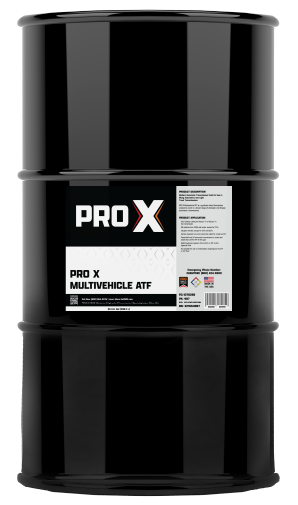
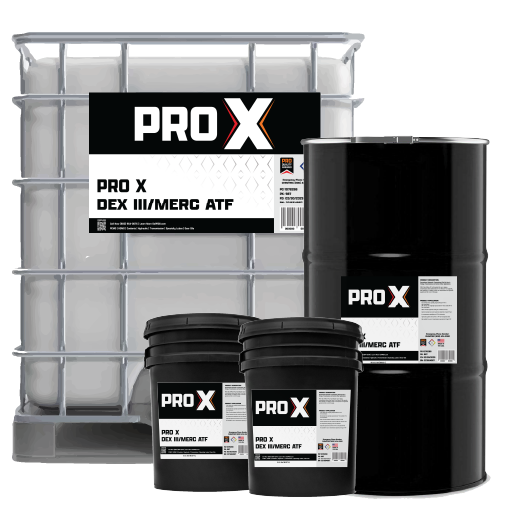

What ATF LV Fluid Is Designed For
ATF LV, or low-viscosity automatic transmission fluid, is designed for modern vehicles that prioritize efficiency and smooth operation.
Current transmissions feature tighter internal tolerances to reduce friction and improve fuel economy. Low-viscosity fluids like ATF LV flow with less resistance, supporting these design goals and enabling efficient operation.
ATF LV fluid is commonly used in:
- Modern automatic transmissions
- Vehicles designed for fuel efficiency
- Systems requiring rapid fluid circulation
Its lower viscosity allows for improved cold-start performance and quicker gear response. However, it is important to note that not all systems are compatible with low-viscosity fluids. Using ATF LV in a transmission designed for thicker fluid can compromise protection and performance.
Differences in Viscosity & Performance
DEX III ATF thickens at operating temperatures, providing a strong lubrication film and reliable protection for older transmission systems. In contrast, ATF LV is thinner, allowing it to flow more easily and operate more efficiently in modern designs.
Key differences include:
- DEX III ATF: Higher viscosity and greater film strength, suited for older transmission designs.
- ATF LV: Lower resistance flow, reducing internal friction and supporting fuel-efficient, modern systems.
These distinctions determine the appropriate application for each fluid. Selecting the correct type depends on the specific transmission design and operational requirements.

Compatibility and System Requirements
Transmission systems are engineered with specific fluid requirements, and using the incorrect fluid can negatively affect performance.
Older systems are designed to operate with fluids such as DEX III ATF, which rely on higher viscosity and friction characteristics. Modern systems, however, are optimized for low-viscosity fluids like ATF LV, which provide faster response and improved efficiency. Following the manufacturer’s recommendations is the most reliable way to ensure compatibility.
Mixing different types of fluids is not recommended, as it can lead to unstable performance and reduced efficiency. Selecting the appropriate transmission fluid ensures smooth operation and helps prevent premature wear.

Matching Transmission Fluid to Driving Conditions
Driving conditions also affect transmission fluid performance. Heavy loads, stop-and-go traffic, and high temperatures place extra stress on the system.
DEX III ATF is ideal for:
- Older vehicles under constant load
- Systems prioritizing durability over efficiency
ATF LV is best for:
- Modern vehicles with advanced transmissions
- Cold-start performance
- Fuel-efficient systems
Understanding vehicle usage helps ensure the correct fluid is selected, as performance issues occur when the wrong type is used.

Maintenance and Fluid Replacement
Transmission fluid should be checked regularly, as it can deteriorate, lose effectiveness, and become contaminated. Signs of worn fluid include delayed shifting, rough gear changes, unusual noises, or dark, burnt fluid.
Proper maintenance—whether using DEX III ATF or ATF LV—prevents damage, ensures smooth operation, and avoids costly repairs. Selecting the correct fluid based on system requirements is essential, as each type is engineered for specific transmissions.
Using the right fluid ensures smooth shifting, consistent lubrication, and long-term reliability. Understanding these differences allows technicians to make informed choices and maintain optimal performance.