

15W40 vs 10W30 Diesel Engine Oil for Heavy Equipment
Heavy equipment engines operate under constant mechanical stress. Extended idle time, sudden load demands, long operating hours, and extreme temperature swings place significant strain on internal components. In these conditions, engine oil serves as more than lubrication — it functions as a critical protection system that directly influences performance, reliability, and engine life.
15W-40 and 10W-30 diesel oils remain two of the most widely used viscosity grades in heavy-duty diesel engines. While the difference between them may appear minor, viscosity selection has a measurable impact on cold-start protection, high-temperature stability, fuel efficiency, and long-term engine wear.
Selecting the correct oil grade requires understanding how each performs under real-world operating demands. When matched properly to temperature and load conditions, both options can deliver strong protection. The key is knowing when each viscosity grade provides the greatest operational advantage.
Understanding Multi-Grade Viscosity Ratings
Multi-grade diesel engine oils are engineered to perform across a range of operating temperatures. The first number, followed by the letter “W,” indicates how the oil flows in colder conditions. The second number represents viscosity at normal operating temperature. A lower first number improves cold-start flow, while a higher second number provides increased protection once the engine reaches full operating temperature.
In practical application, 10W-30 diesel oil flows more quickly during cold starts than 15W-40. In contrast, 15W-40 maintains a thicker lubrication film at operating temperature. These differences affect how rapidly oil circulates during startup and how well protective film strength is maintained under sustained heat and heavy loads.
Cold-Start Protection and Viscosity Performance
Cold starts represent one of the most critical phases of engine operation. After extended idle periods, oil must circulate quickly to prevent dry friction between moving components. With its lower winter viscosity rating, 10W-30 diesel oil flows more easily at startup, allowing faster lubrication and reducing wear during initial engine engagement. This advantage becomes especially valuable in colder or seasonally variable operating conditions.
By comparison, 15W-40 diesel oil is slightly thicker during cold starts. While it still delivers reliable protection in moderate conditions, oil circulation may take marginally longer in lower temperatures. In consistently warm climates, this difference is often negligible. However, in regions that experience freezing temperatures, the impact can be more significant.
Cold-start performance directly influences long-term engine durability. For equipment operating in fluctuating temperatures, selecting the appropriate viscosity grade is essential to maintaining consistent protection and minimizing wear over time.


High-Temperature Stability Under Heavy Load
Sustained heavy loading is common in demanding equipment applications. Agricultural machinery, excavators, loaders, and haul trucks generate significant heat under continuous operation. Engine oil must maintain stability and film strength to withstand sustained pressure and elevated temperatures.
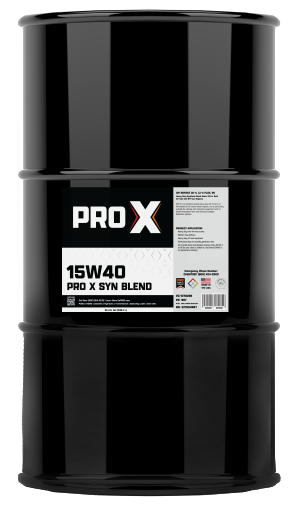
In these conditions, 15W-40 diesel oil delivers strong high-temperature performance. Its higher operating viscosity provides a thicker protective film under heavy loads, helping reduce wear on bearings, camshafts, and cylinder walls. This added film strength is especially valuable in high-duty cycles and elevated temperature conditions.
10W-30 diesel oil, while slightly thinner at operating temperature, is engineered to meet the requirements of modern diesel engines designed for lower-viscosity formulations. Many newer engines feature tighter tolerances and advanced materials that allow 10W-30 to perform reliably even under demanding workloads.
Ultimately, viscosity selection depends on operating conditions, equipment design, and workload intensity — not preference. Matching the oil grade to the application ensures consistent protection and long-term engine performance.
Efficiency and Engine Protection
Oil viscosity directly affects internal engine resistance. Thicker oils create more drag, while lighter oils reduce friction. Because 10W-30 is thinner at operating temperature than 15W-40, it can provide modest fuel efficiency gains — particularly across high operating hours and large fleets.
However, efficiency must not compromise protection. The selected viscosity should match engine design and workload demands to maintain durability and reliable performance.

Wear Protection and Engine Longevity
No viscosity grade is universally best — selection should match engine design and operating conditions.
10W-30 is ideal for:
Cold or variable climates
Seasonal winter use
Engines designed for lower viscosity
Fleets focused on fuel efficiency
15W-40 works best for:
Hot climates
Heavy-load operations
Older engine designs
High thermal stress
Matching viscosity to climate, duty cycle, and engine design ensures optimal lubrication and long-term performance.

Climate, Workload, and Equipment Design
In high-heat applications, 15W-40 provides a thicker oil film to support wear resistance. In moderate conditions — or in engines designed for lower-viscosity formulations — 10W-30 delivers strong protection with improved flow characteristics. As modern diesel engine designs increasingly favor lower-viscosity oils, adhering to industry specifications remains essential when selecting the appropriate grade.

Viscosity Through Oil Analysis
Regular oil analysis is essential for selecting the right viscosity, providing insight into wear metals, soot levels, and oil stability. Choosing an incorrect grade can lead to increased deposits, higher operating temperatures, and accelerated wear. Maintenance teams should match oil selection to manufacturer specifications while accounting for workload and operating conditions. Adjustments may be necessary as conditions change to ensure continued protection and optimal engine performance.
