

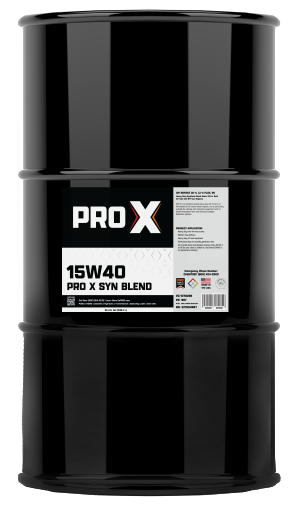
15W40 and 10W30 Diesel Engine Oil for Heavy Equipment
Fleet operations demand consistency. Whether managing long-haul trucks, construction equipment, agricultural machinery, or mixed commercial vehicles, reliability drives productivity. Diesel engines operate under sustained loads, extended duty cycles, and varying climates. In these conditions, engine oil is not simply a maintenance requirement — it is a critical performance component.
Heavy-duty diesel engine oil plays a central role in minimizing wear, managing heat, controlling contaminants, and supporting fuel efficiency. Selecting the correct oil and maintaining proper service intervals reduces downtime, extends equipment life, and improves overall operational stability.
Understanding how heavy-duty diesel engine oil performs inside fleet engines clarifies why oil selection directly impacts performance, maintenance planning, and total cost of ownership.
Engine Oil Demands in Heavy-Duty Fleet Applications
Heavy-duty diesel engine oil must withstand continuous pressure and thermal stress. It maintains lubricating film strength under high temperatures and heavy loads. Unlike passenger vehicle oils, fleet-grade diesel oils are specifically formulated to manage soot, combustion byproducts, and extended operating intervals.
In fleet applications, viscosity stability over time is critical. When oil maintains its viscosity under severe conditions, engine components remain protected despite demanding duty cycles. This stability directly supports long-term fleet reliability.
Protecting Critical Engine Components in Fleet Operations
Diesel engines operate under extreme mechanical stress. Critical components — including crankshafts, camshafts, pistons, cylinder walls, and turbochargers — endure constant pressure and high temperatures. Proper lubrication prevents direct metal-to-metal contact, reducing friction and wear. High-quality heavy-duty diesel engine oil forms a durable protective film across moving surfaces, minimizing mechanical abrasion, controlling heat, and supporting smooth engine operation. Consistent protection extends overall engine service life.
Effective fleet engine oil must also manage internal deposits. Diesel combustion produces soot that, if not properly controlled, can thicken the oil and accelerate abrasive wear. Advanced heavy-duty formulations suspend contaminants to prevent sludge formation and maintain engine cleanliness. Component protection is not only about preventing failure — it ensures consistent, reliable performance across the entire fleet.


Managing Heat and Thermal Stability
Diesel engines generate significant heat, particularly in heavy equipment and long-haul applications. Engine oil functions not only as a lubricant but also as a cooling agent. It absorbs heat from internal components and transfers it away from high-friction areas to help regulate operating temperatures. Thermally stable heavy-duty diesel engine oil resists oxidation and breakdown under high temperatures, preventing viscosity loss and limiting harmful deposit formation.
Effective thermal control directly influences fuel efficiency and engine longevity. Excessive heat reduces operational efficiency and accelerates wear. Selecting the proper fleet engine oil supports consistent temperature control during extended service intervals and in extreme operating conditions.
Thermal stability becomes even more critical for fleets operating across diverse climates, where engines must perform reliably under varying temperature demands.
Supporting Fuel Efficiency Across Fleets
Fuel is one of the largest expenses in fleet operations. While engine oil is not the primary factor in fuel consumption, it directly supports efficiency by reducing internal friction and helping engines run smoothly. Small efficiency gains over thousands of hours can result in measurable cost savings.
Key efficiency factors include stable viscosity, reduced friction, strong deposit control, and balanced additive chemistry. Selecting the right fleet engine oil strengthens both performance and operating economy.

Extending Service Intervals and Reducing Downtime
Downtime reduces productivity and drives up operating costs. While scheduled maintenance is necessary, unexpected failures create significantly greater expense.
Advanced heavy-duty diesel engine oils are formulated to support extended service intervals. Strong oxidation resistance, additive durability, and effective soot control help maintain protection over longer operating periods.
Effective fleet lubrication programs include:
Routine oil analysis
Viscosity monitoring
Wear metal tracking
Scheduled filter replacement
When properly managed, fleet engine oil enables predictable maintenance planning and extended drain intervals without sacrificing protection. This approach supports uptime, reliability, and reduced risk of unplanned breakdowns.

Modern Emissions Systems
Modern diesel engines use advanced emissions systems such as EGR, DPF, and SCR, which place additional demands on engine oil. Heavy-duty diesel engine oil must be formulated for low-emission designs, controlling ash levels, managing soot, and resisting breakdown under increased exhaust recirculation.
Fleet oil selection must align with manufacturer specifications to protect emissions components and prevent deposit buildup or premature filter restriction. Choosing the correct oil supports system performance and long-term engine durability.

Consistency Across Fleet Operations
Fleet managers often oversee mixed equipment operating in varied environments and temperature ranges. A consistent lubrication strategy simplifies maintenance planning, reduces the risk of misapplication, and streamlines inventory control.
Standardizing on high-quality heavy-duty diesel engine oil across fleet segments improves reliability and creates predictable performance. This consistency supports proactive maintenance scheduling and strengthens overall fleet operations.